Tonosí Moves Closer to New Hospital as Municipality Donates Land
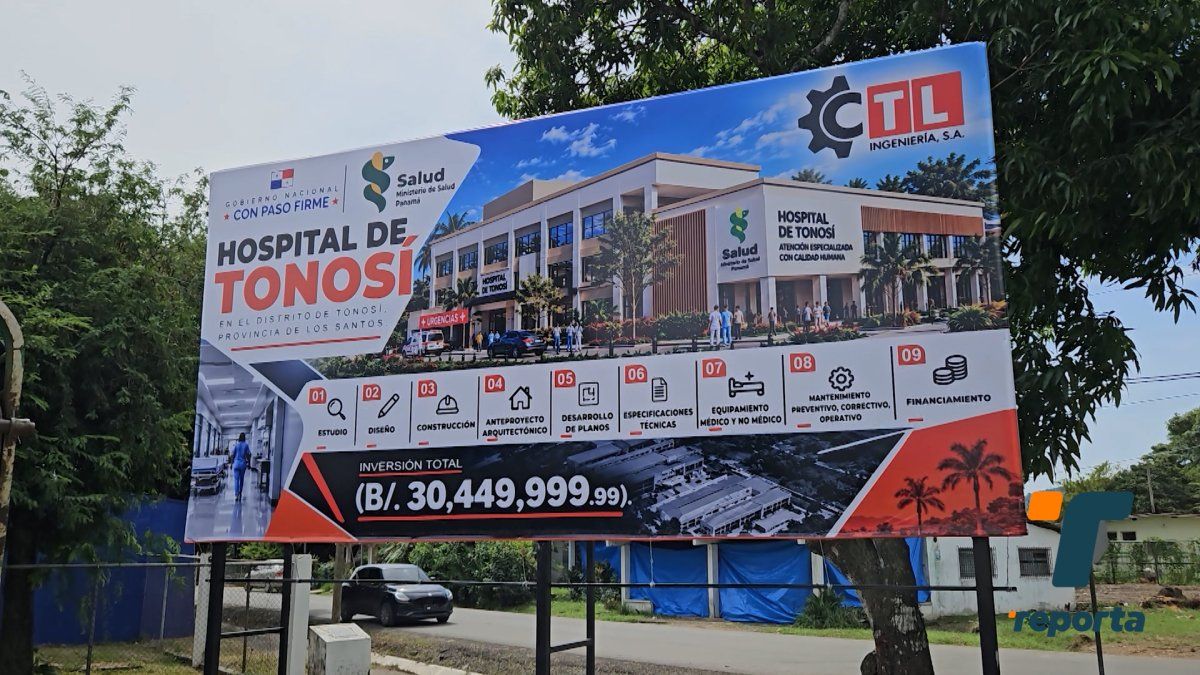
Panama’s Health Ministry says Tonosí’s municipality has donated land for a new district hospital, with a temporary modular hospital to serve residents during construction.

Updates on public health, medical research, and healthcare services in Panama. Stories include policy changes, outbreaks, and practical health advice.
Panama’s Health Ministry says Tonosí’s municipality has donated land for a new district hospital, with a temporary modular hospital to serve residents during construction.
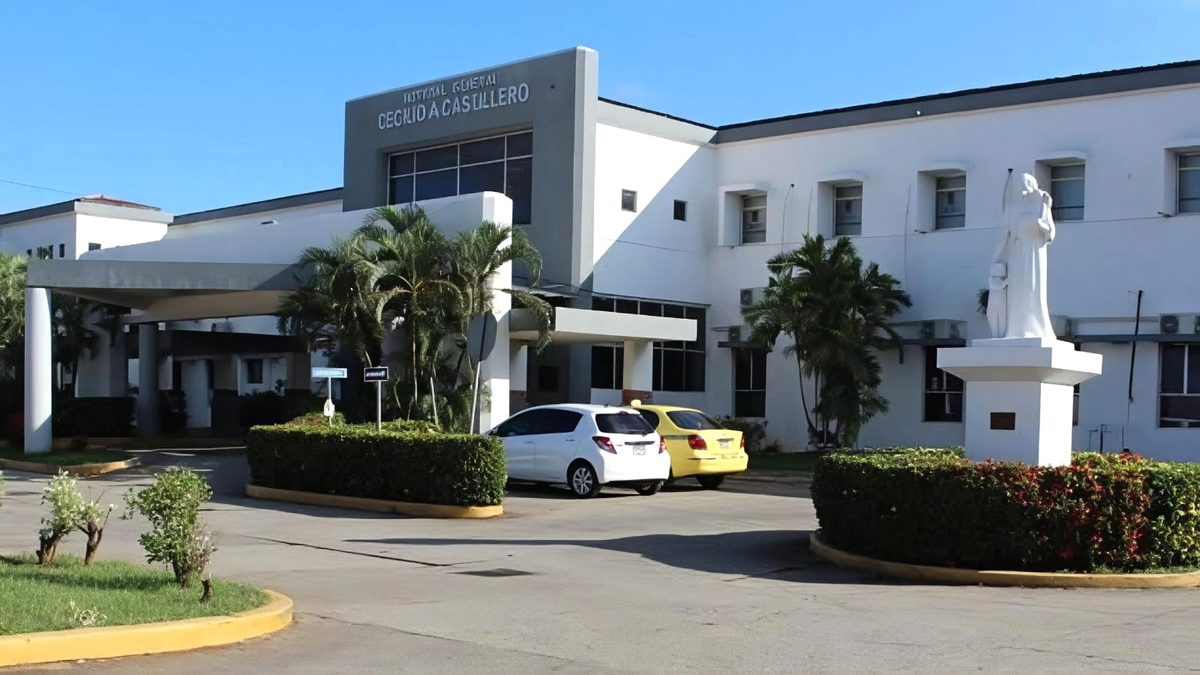
The Cecilio A. Castillero Hospital in Chitré, Herrera, reopens its outpatient department on Monday, October 26, 2026, after Minsa completed structural evaluations following the Azuero earthquake. Patients can now resume medical consultations at the regional facility.
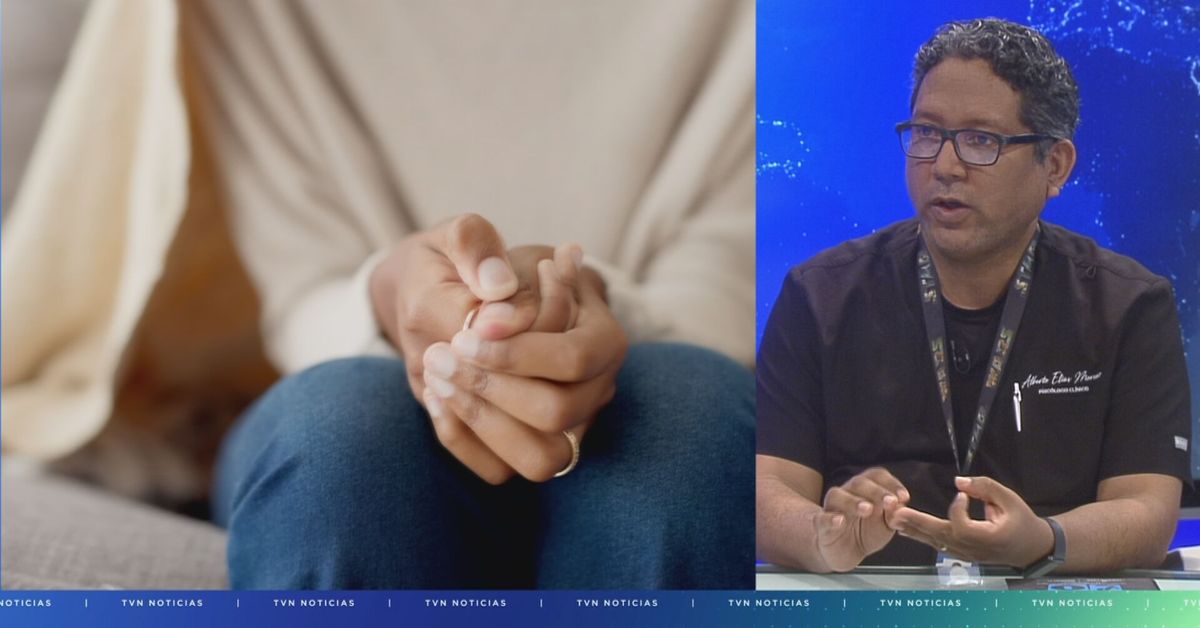
Panama’s Ministry of Health (Minsa) is warning the public about the dangers of chronic stress, highlighting symptoms such as sleep difficulties, eating changes, and trouble with daily activities that should not be ignored.

Panama’s Health Ministry has deployed operations at Merca Panama after 37 malaria cases were detected, with 7 patients having completed treatment, as the country simultaneously responds to an earthquake crisis.
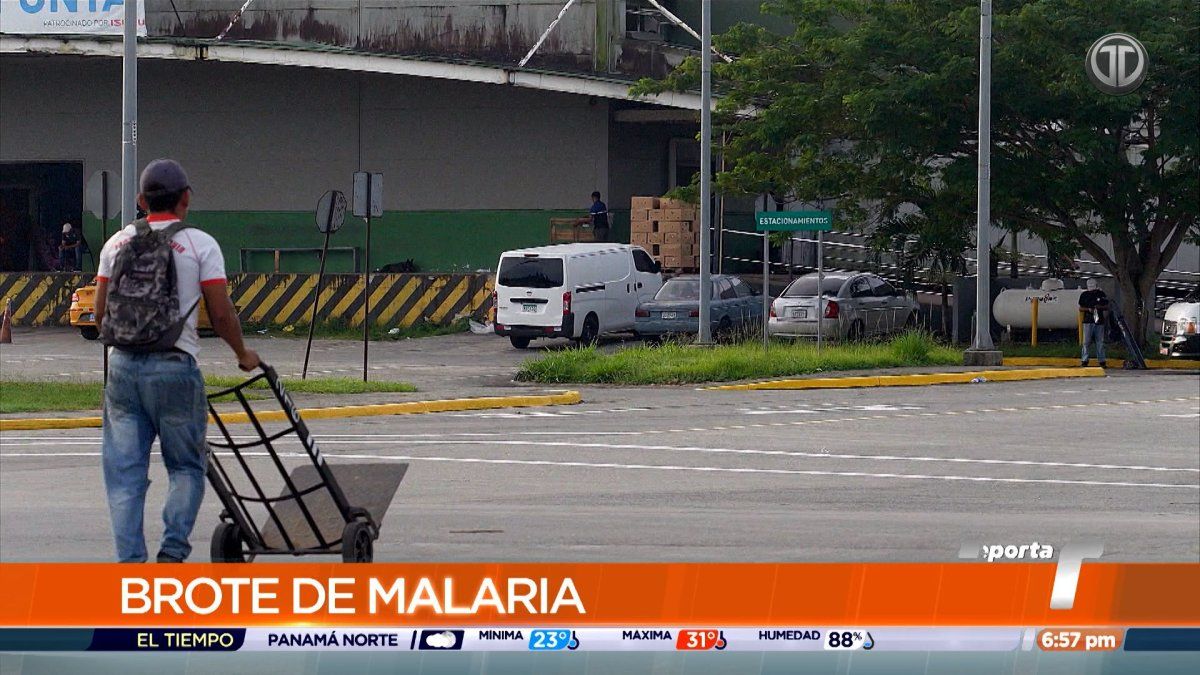
Panama’s Health Ministry has detected 34 malaria cases among informal workers around Merca Panamá, linked to infected mosquito exposure and people arriving from endemic provinces. Authorities stress the disease is not transmitted through food.
Panama’s Ministry of Health has deployed free mental health teams to Herrera, Coclé, Veraguas, and Los Santos to treat anxiety, fear, and panic attacks following the recent earthquake.

Panama’s Ngäbe-Buglé Comarca will get its first hospital, to be built in Chichica, Health Minister Fernando Boyd Galindo announced, alongside a drone program to deliver medicines to remote communities.
Panama has been elected First Vice President of the 63rd PAHO Executive Council, gaining a leadership role at the major regional health meeting underway in Washington. The position gives Panama a direct voice in shaping hemispheric health policy and cooperation.

Panama’s Ministry of Health has logged 8,060 dengue cases and 63 influenza deaths in 2026, prompting reinforced prevention measures against both mosquito-borne and respiratory viruses.
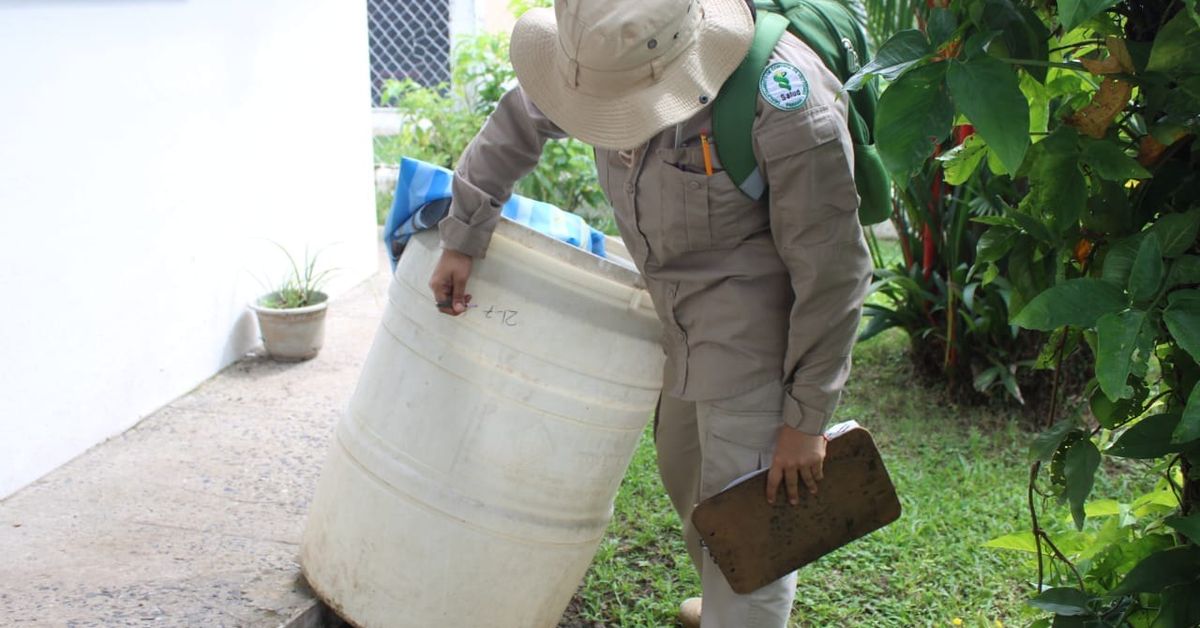
Hundreds of patients in Panama are waiting for organ donations, with kidney transplants the most in demand, highlighting the country’s shortage of available organs.
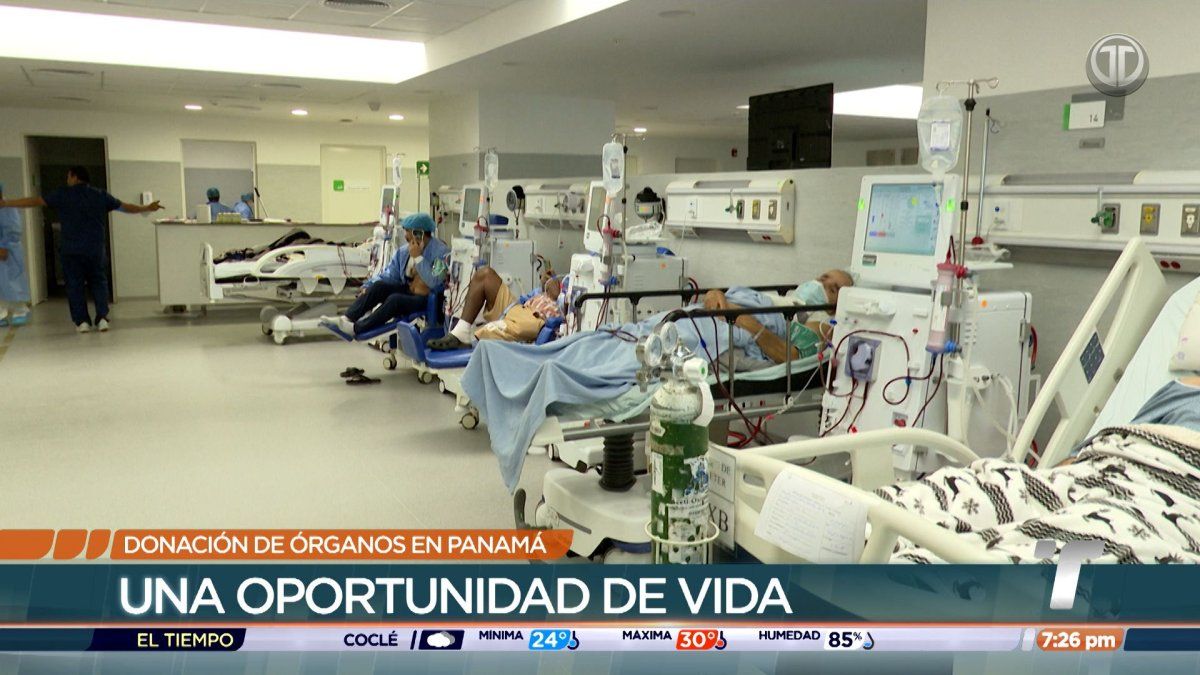
The National Cancer Institute has opened new cancer treatment services at Panama’s City of Health complex, including a high-dose-rate brachytherapy unit, expanding modern radiotherapy options for public patients.
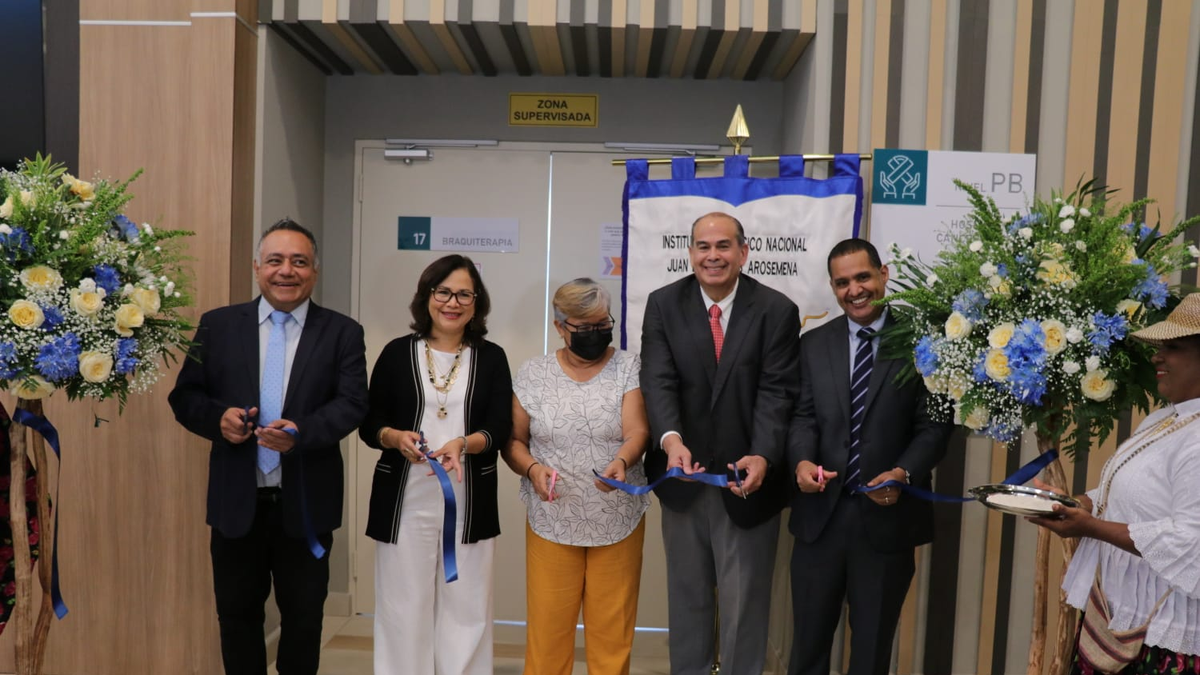
Panama’s draft 2027 budget proposes zero dollars for electricity at the Gorgas Institute and cuts its operating funds by $5.8 million, prompting lawmakers to demand justification and the MEF to pledge a reevaluation.
Teenage pregnancies account for 17.1% of all pregnancies in San Miguelito, Panama, prompting health authorities to cite school dropout rates and lack of sex education as key drivers. Officials are calling for stronger intervention to protect adolescent girls’ health and education.
A new Panamanian law prohibits banks, credit institutions, and insurers from discriminating against cancer survivors who have been cancer-free for five years after treatment. Companies that violate the law face fines starting at $10,000.
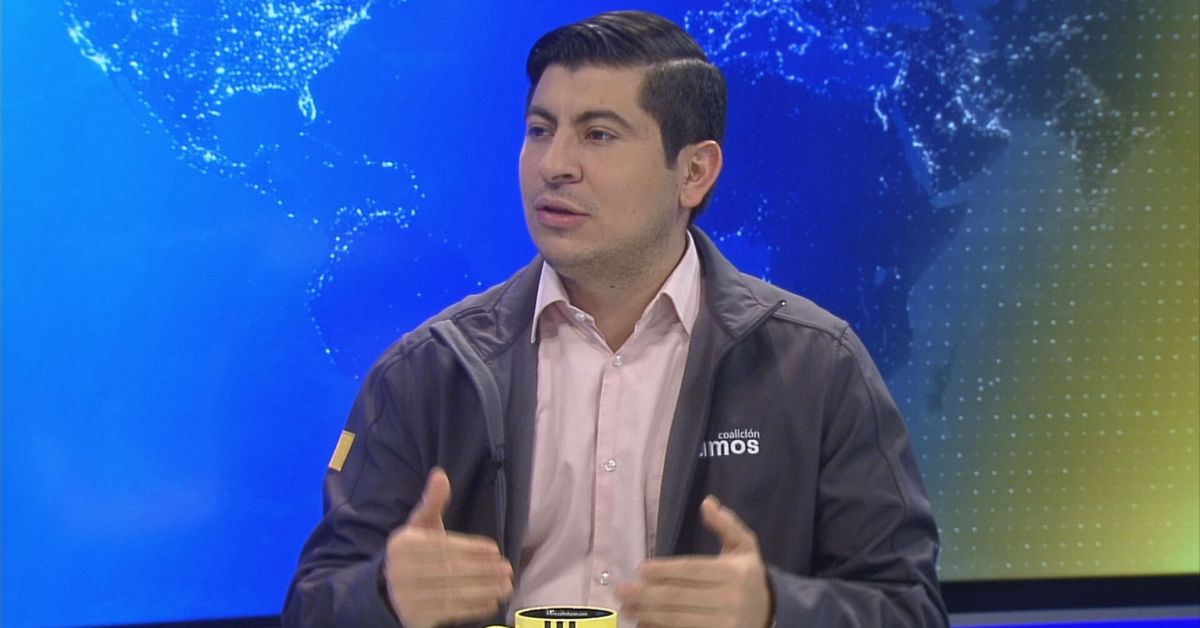
Panama’s Ministry of Health (Minsa) will soon launch Spontaneous Teleconsultation, a digital service allowing patients to receive medical care online without a prior appointment.
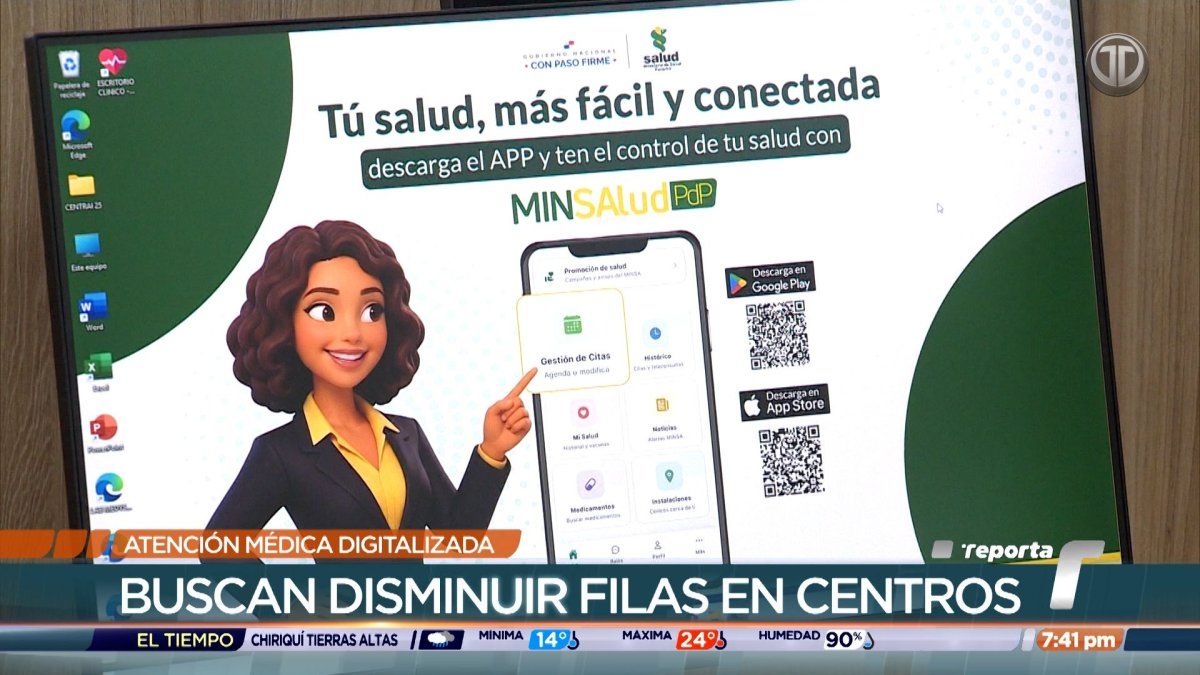
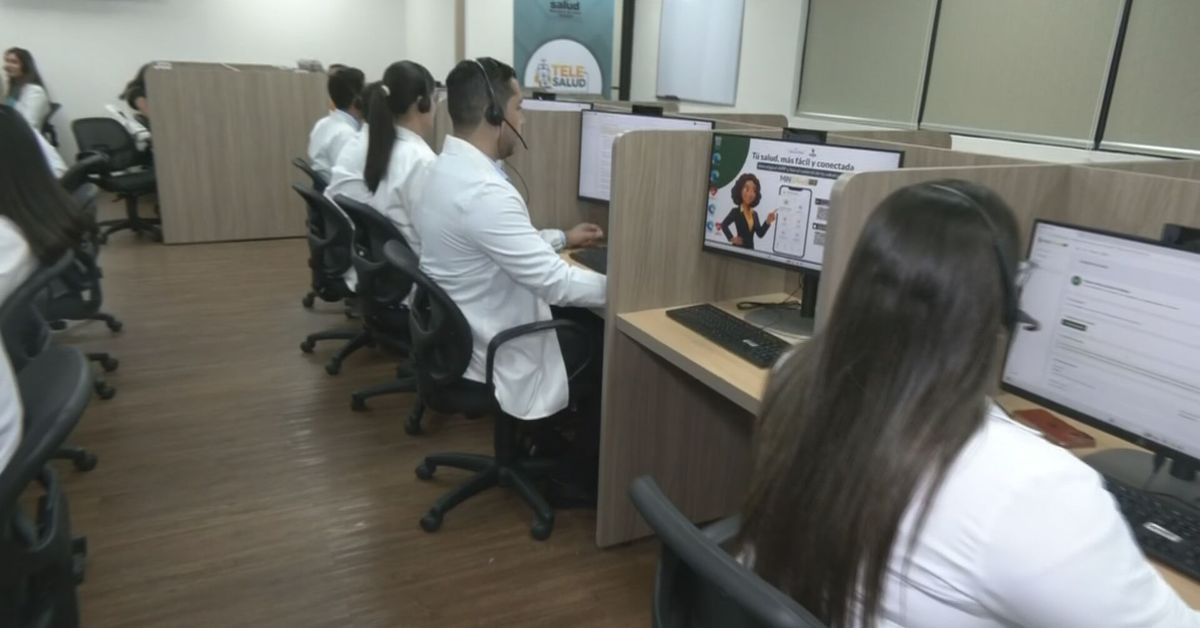
Panama has activated a new application for requesting appointments, consulting results, and receiving remote attention, backed by a contact center representing an approximately $2 million investment, according to the minister.
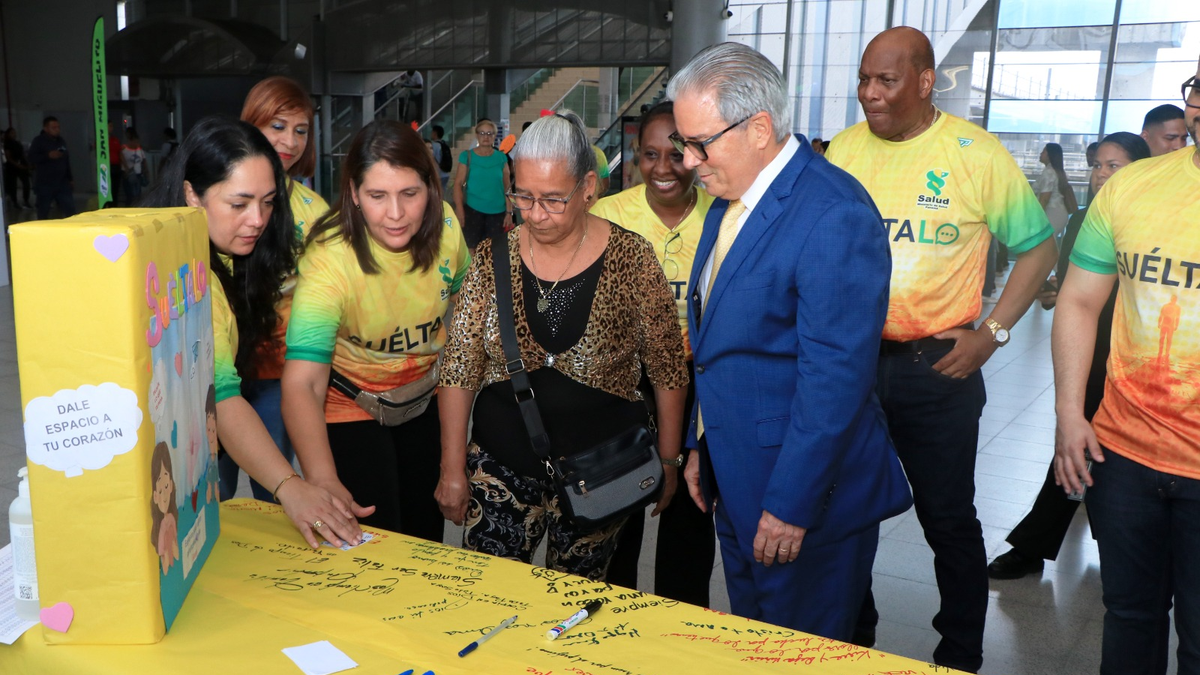
Panama’s Ministry of Health launched the ‘Suéltalo’ campaign for the International Day for the Prevention of Suicide, inviting citizens to share messages of hope. The campaign encourages people to let go of emotional burdens and seek support.
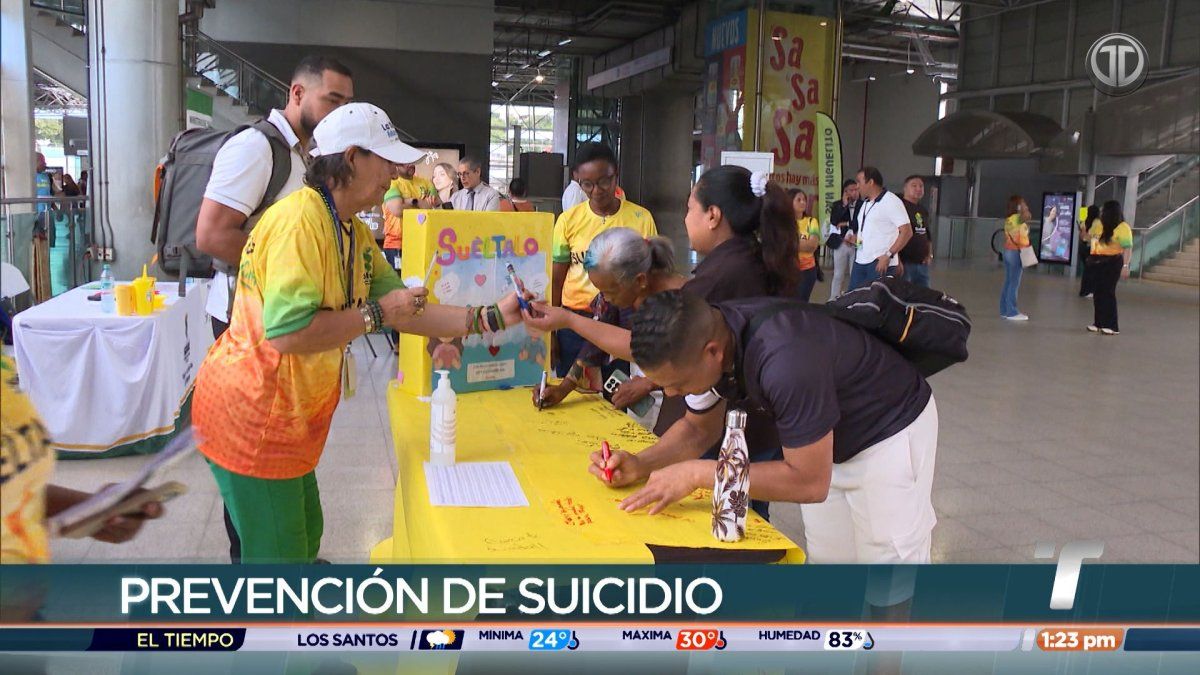
Panama’s Ministry of Health has launched its “Suéltalo” suicide prevention campaign in the Panama Metro, promoting mental health awareness and encouraging open conversations to reduce stigma.
Panama’s suicide prevention Line 147 received 7,600 calls and 4,000 mental health chats in the first half of the year, with most users aged 14 to 45. The service also supports older adults over 50.
Health Minister Fernando Boyd Galindo has proposed that doctors who fail Panama’s medical certification exam twice return to university, after only 11.31% of candidates passed the 2026 basic certification exam. He also backs a standardized national entrance test for medical schools.