
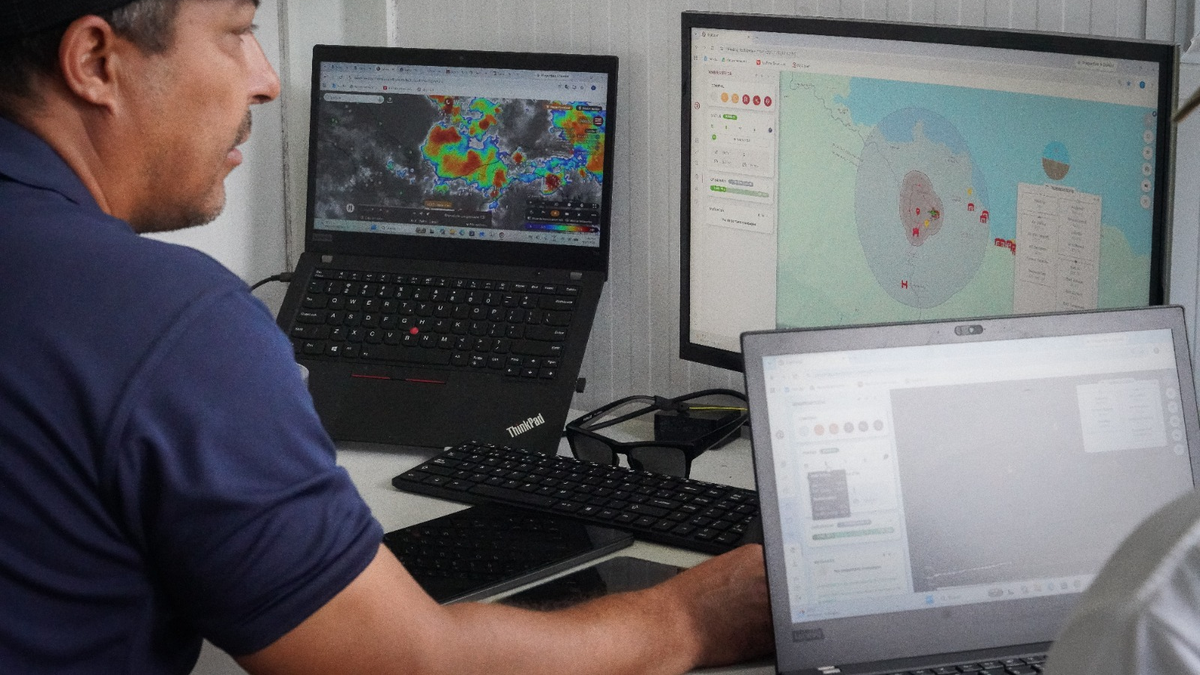
Panama’s largest indigenous region, the Ngäbe-Buglé Comarca, will receive its first hospital, Health Minister Fernando Boyd Galindo announced on Thursday, October 1. The facility will be built in Chichica, a milestone for a region that has historically lacked hospital-level care. The Ministry of Health (Minsa) is also advancing plans to use drones to deliver medicines and medical supplies to hard-to-reach communities across the territory.
What Happened
Minister Boyd Galindo confirmed that the Ngäbe-Buglé Comarca will for the first time have its own hospital, to be located in the community of Chichica. The announcement was made on Thursday, October 1. In addition to the hospital project, Minsa is promoting the use of drone technology to transport medications and medical supplies to communities that are difficult to access, with the goal of strengthening health care delivery throughout the region.
Background
The Ngäbe-Buglé Comarca is Panama’s largest indigenous territory by population and land area, spanning parts of the provinces of Chiriquí, Bocas del Toro and Veraguas in the country’s western highlands. The region is characterized by mountainous terrain and scattered rural communities, many of which are reached only by long journeys on foot or rough roads. Until now, residents needing hospital-level care have had to travel outside the comarca to cities such as David or Santiago, a burden of cost and time that has long complicated access to specialized health services.
Health conditions in the comarca, including maternal and child health challenges and limited access to medications, have been recurring concerns for Panamanian authorities and international observers. Drone-based delivery of medical supplies has emerged in recent years as a practical solution for remote regions in Latin America and elsewhere, where geography makes conventional logistics slow and expensive.
What This Means for Panama
The Chichica hospital represents a structural shift in how health services are delivered to the comarca, moving beyond basic health posts and mini-hospitals toward full hospital care within the territory itself. If completed, it would significantly reduce the need for patients to travel long distances for treatment, surgery or emergency care.
The drone initiative, meanwhile, signals a broader modernization of health logistics in the region. If implemented effectively, it could ensure faster and more reliable delivery of medicines to isolated communities, addressing one of the most persistent obstacles to health care in the comarca.
Key questions to watch in the coming months include the project’s timeline and budget, the scope of services the hospital will offer, and how quickly the drone delivery program can be scaled. For now, the announcement marks a historic commitment to closing one of Panama’s most visible gaps in health care access.
This story was originally reported by Telemetro.