
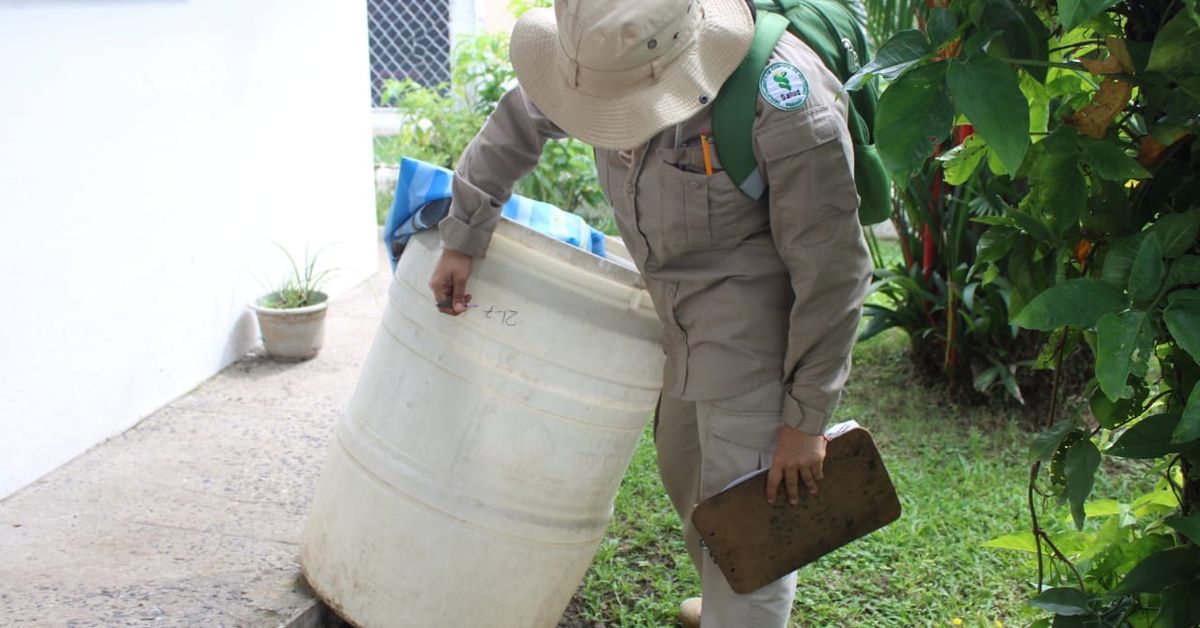
Panama’s Ministry of Health (Minsa) is intensifying prevention measures against dengue and respiratory viruses as new figures show the country has recorded 8,060 accumulated dengue cases and 63 influenza deaths so far in 2026.
What Happened
According to a report from the Ministry of Health, Panama has accumulated 8,060 dengue cases in 2026, alongside 63 deaths attributed to influenza. In response to the behavior of both dengue and respiratory viruses circulating in the country, Minsa announced it is reinforcing prevention efforts.
The ministry’s announcement, reported by TVN 2, signals a heightened public health focus on two fronts: mosquito-borne dengue transmission and seasonal respiratory infections, including influenza, that can pose serious risks to vulnerable populations.
Background
Dengue is a mosquito-borne viral disease transmitted primarily by the Aedes aegypti mosquito, which thrives in tropical and subtropical climates like Panama’s. Symptoms can range from mild fever and body aches to severe dengue, which can cause hemorrhagic complications and death. Prevention centers on eliminating mosquito breeding sites, particularly standing water in containers, tires, and other receptacles around homes.
Influenza and other respiratory viruses, meanwhile, tend to circulate more heavily during Panama’s rainy season, when humidity and indoor crowding favor transmission. Influenza can be especially dangerous for young children, older adults, pregnant women, and people with chronic health conditions. Annual vaccination and basic hygiene measures such as handwashing are key prevention tools recommended by health authorities.
Panama’s position as a tropical transit hub with dense urban centers, including Panama City and the communities along the Panama Canal watershed, makes sustained epidemiological surveillance and public health campaigns a perennial priority for Minsa.
What This Means for Panama
The combination of more than 8,000 dengue cases and 63 influenza deaths underscores that both vector-borne and respiratory diseases remain significant public health challenges in 2026. The ministry’s reinforced prevention strategy is likely to involve intensified vector control operations, public awareness campaigns about eliminating breeding sites, and promotion of vaccination and hygiene practices against respiratory viruses.
For residents, the announcement serves as a call to action: eliminate standing water around homes, use mosquito protection, seek medical attention early for fever symptoms, and consider influenza vaccination, particularly for those in high-risk groups. For travelers and the broader public, it highlights the importance of staying informed about health advisories in Panama.
Observers will be watching whether the reinforced measures curb the upward pressure of dengue cases in the remaining months of the year and whether influenza-related deaths taper as prevention campaigns take hold.
This story was originally reported by TVN 2.