
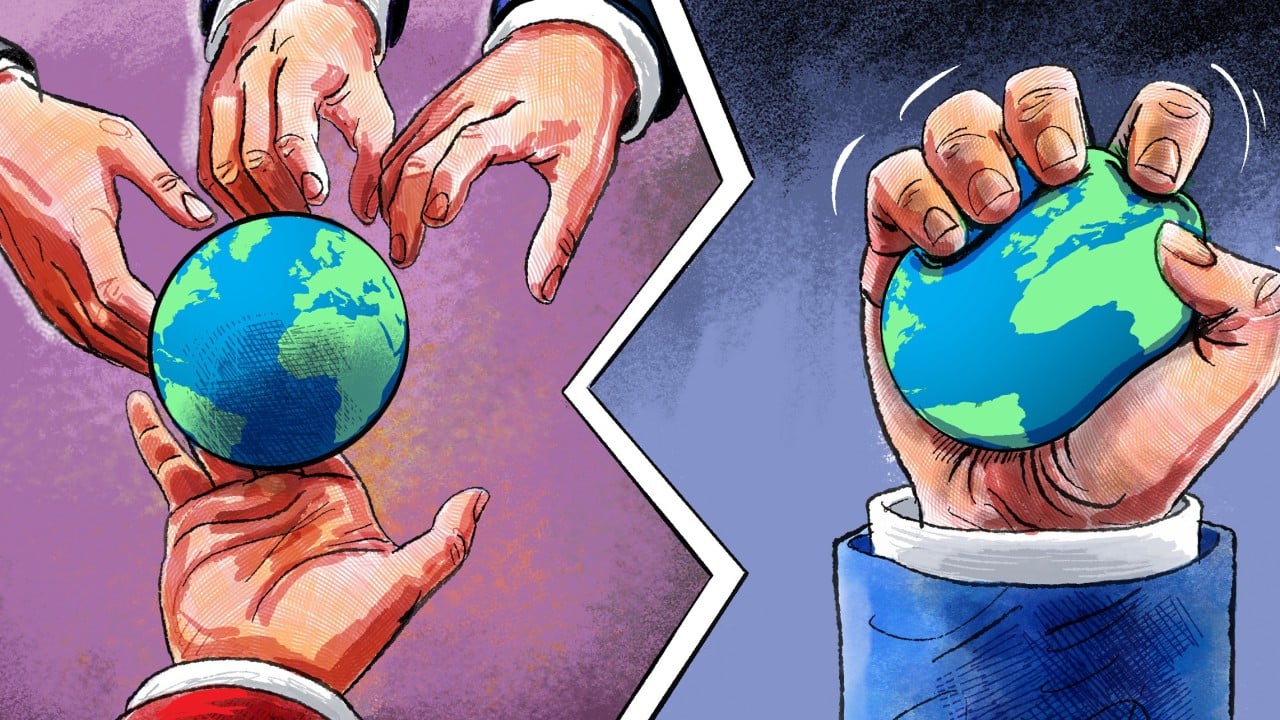
The return of a summit between Chinese President Xi Jinping and US President Donald Trump in May is sharpening a familiar question in global politics: whether the world’s two largest powers can manage competition without sliding into destabilizing confrontation. The meeting, now back on the calendar after being delayed, is expected to take place against a backdrop of trade tensions, geopolitical distrust and shifting alliances across Asia, Europe and the Americas.
What Happened
The summit between Xi and Trump has been rescheduled for May after being postponed in April. The delay followed Trump’s decision to focus on the conflict he initiated with Iran, leaving open the prospect of a face-to-face meeting at a later date. The renewed timeline has put the two leaders back on a collision course over a wide range of disputes, from trade and technology to security and global influence.
The language framing the meeting highlights the deep divide between the two governments. Beijing has long promoted the idea of a “community with a shared future,” a diplomatic phrase that presents international relations as interdependent and cooperative. Washington under Trump has leaned into a more transactional and confrontational worldview, one shaped by tariffs, pressure campaigns and unilateral decisions that can shift abruptly with domestic political calculations.
Even with the summit restored, a rapid breakthrough appears unlikely. The tensions between the two countries have accumulated over years of tariff battles, export controls, military friction in the Indo-Pacific and competing efforts to shape global institutions. A single meeting is unlikely to erase those structural disagreements, even if it can temporarily stabilize relations.
Background
Relations between China and the United States have been one of the defining geopolitical fault lines of the 21st century. Under successive administrations, the relationship has moved from economic integration toward strategic competition, with both countries imposing restrictions on each other in sensitive sectors such as semiconductors, advanced manufacturing and telecommunications.
Trade has remained at the center of the dispute. Trump’s first term was marked by a sweeping tariff war with China, and his return to office has revived expectations that economic coercion will again play a central role in US policy. Beijing, meanwhile, has continued to argue that the world should not be divided into rival blocs and has sought to present itself as a champion of stability, multilateralism and development.
The meeting also arrives at a time when global leaders are watching for signs of whether the two powers can cooperate on issues that go beyond their own rivalry. Climate policy, financial stability, supply chains and conflict prevention all depend, at least in part, on whether Washington and Beijing can maintain a workable channel of communication.
For Latin America, the relationship matters well beyond symbolism. China is a major trading partner for countries across the region, including Panama, while the United States remains the dominant political and security influence in the hemisphere. Any escalation between Washington and Beijing can affect demand for commodities, port activity, shipping routes, investment flows and the broader pressure on governments in the region to choose sides on trade and infrastructure.
Why It Matters
A summit between Xi and Trump is not just a bilateral event. It is a test of whether great-power rivalry can be managed in a way that avoids deeper economic fragmentation and security risk. If the talks reduce uncertainty, markets and governments from Asia to Latin America could gain some breathing room. If they collapse into more hostility, the fallout could include fresh tariffs, tighter technology restrictions and heightened volatility in global trade.
For Panama, the stakes are indirect but real. The Canal sits at the center of global shipping, and any disruption in trade flows between the United States and China can ripple through maritime routes and logistics planning. A more confrontational relationship could also intensify competition for influence in Latin America, where both powers are active through investment, diplomacy and strategic partnerships.
The coming summit will therefore be watched not only as a test of personal diplomacy between Xi and Trump, but as a referendum on whether the world is entering a more cooperative order or a more fractured one. The answer will matter far beyond Washington and Beijing.