
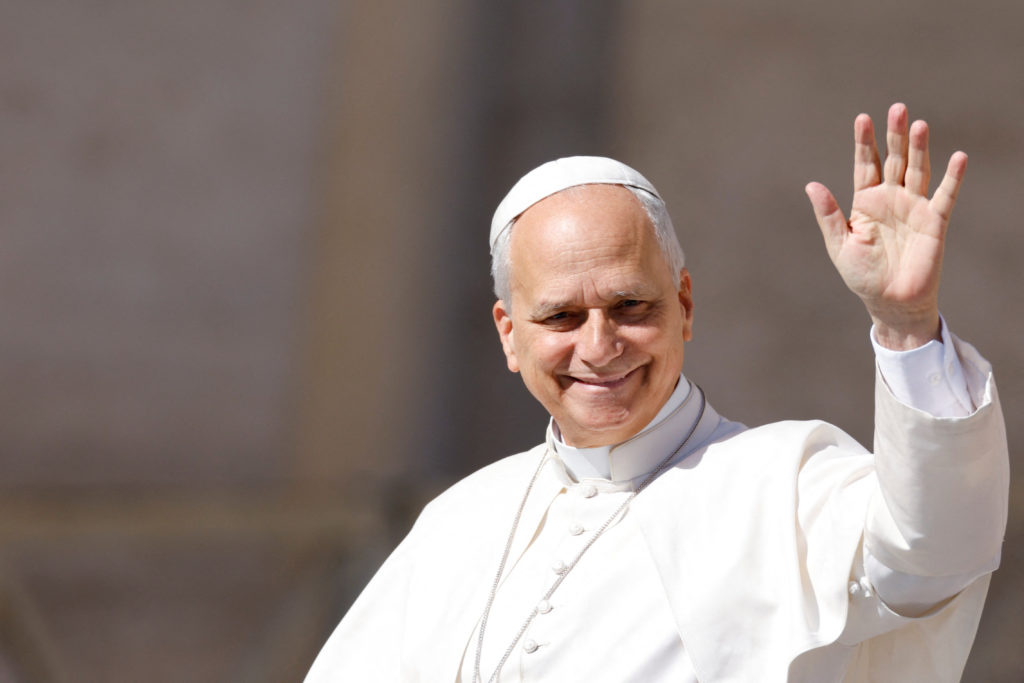
Pope Leo has appointed a priest known for defending immigrants and criticizing President Donald Trump’s immigration crackdown to lead Catholics in West Virginia, a move that underscores the church’s continued emphasis on migration, human dignity and pastoral outreach in the United States.
What Happened
The Vatican named an El Salvador-born priest as the next bishop for Catholics in West Virginia. He has publicly opposed Trump administration immigration policies and has been recognized as an advocate for immigrants, placing him among a group of church leaders who have pushed back against hardline enforcement measures in recent years.
The appointment gives West Virginia Catholics a new bishop with deep ties to the immigrant community and a background shaped by the experience of migration from Central America to the United States. The decision comes at a time when immigration remains one of the most politically charged issues in the U.S., especially in states and dioceses with growing Hispanic Catholic populations.
Background
West Virginia is not often at the center of immigration debates, but Catholic dioceses across the United States have increasingly become pastoral hubs for migrants and mixed-status families. Many churches provide not only worship services but also language support, community aid and moral guidance for parishioners affected by detention, deportation or uncertainty over legal status.
Trump’s immigration agenda has included aggressive enforcement policies, expanded deportation efforts and a broader political message centered on border security. Catholic leaders in the U.S. have frequently clashed with those policies, arguing that governments have a right to secure borders but also a duty to protect families, children and vulnerable people seeking safety or work.
Pope Leo’s choice also reflects the global nature of the Catholic Church, which is increasingly led by prelates from Latin America, Africa and Asia rather than only Europe or the United States. An El Salvador-born bishop brings a perspective shaped by migration, inequality and the social realities of Latin America, where millions have left home because of violence, poverty or political instability.
Why It Matters
The appointment is significant well beyond West Virginia because bishops often influence how the church speaks on major public issues, including migration, poverty and social justice. A bishop with a strong record of supporting immigrants could become an important voice in national church debates in the United States, where faith leaders remain influential in shaping public opinion.
For readers in Panama and Latin America, the decision is also part of a broader pattern: the region continues to supply many of the people, clergy and communities most affected by migration policy in the United States. Latin American Catholics often look to church leadership for moral guidance on border issues that affect families across the hemisphere.
The move may also resonate in countries along migration routes through Central America, including Panama, where mobility, asylum and border management remain urgent regional concerns. A bishop from El Salvador leading a U.S. diocese highlights how closely Latin American migration and U.S. politics remain connected.
In the wider church, the appointment signals that Rome is likely to continue elevating leaders who are outspoken on human rights and social issues, even when those views put them at odds with national political figures. That dynamic is likely to keep immigration at the center of Catholic public life in the United States for years to come.