
What Happened
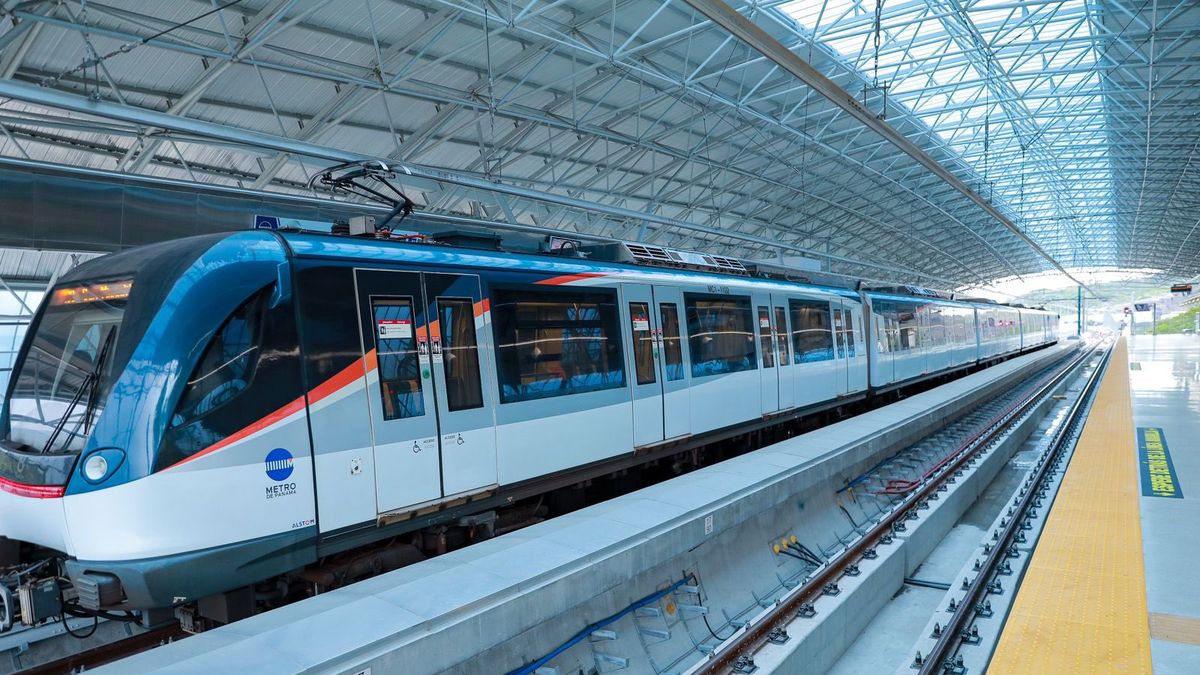
The Metro de Panamá will open the Villa Zaita interchange next week, adding a new transfer point to the capital’s public transport system. The move is part of the ongoing effort to improve connections between the metro and bus network in Panama City.
Routes operated by MiBus that are involved in the interchange will keep their established stop at the Villa Zaita station, maintaining the current boarding and transfer arrangement for passengers who use the area.
Why It Matters
The opening of the Villa Zaita interchange is expected to strengthen integration between Panama’s rail and bus services, a key issue for daily commuters in the metropolitan area. Better coordination between transit modes can reduce transfer times and improve access for neighborhoods served by the station.
Villa Zaita has become an important point in the city’s transit map because it connects riders traveling by metro with bus routes serving surrounding districts. Keeping the MiBus stop in place should help preserve a familiar transfer point as the new interchange begins operating.
Transit Context in Panama City
Panama City’s public transport system relies heavily on links between the metro and bus network, especially in fast-growing areas on the outskirts of the urban core. Interchanges like Villa Zaita are designed to make those links more efficient and support higher passenger flow.
As the city continues to expand, transport infrastructure remains central to mobility, commuting costs, and travel times. New transfer points can also ease pressure on existing stations by distributing passenger movement more evenly across the network.
What Commuters Can Expect
With the opening scheduled for next week, passengers using Villa Zaita should continue to follow the established station stop for the connected MiBus routes. The interchange is expected to function as a practical connection point for people moving between the metro and bus services in the northern part of the capital.
The opening adds another step in the gradual development of Panama’s urban transit system, which has increasingly relied on coordinated planning between rail and bus operators to serve the capital’s growing demand for public transportation.