
What Happened
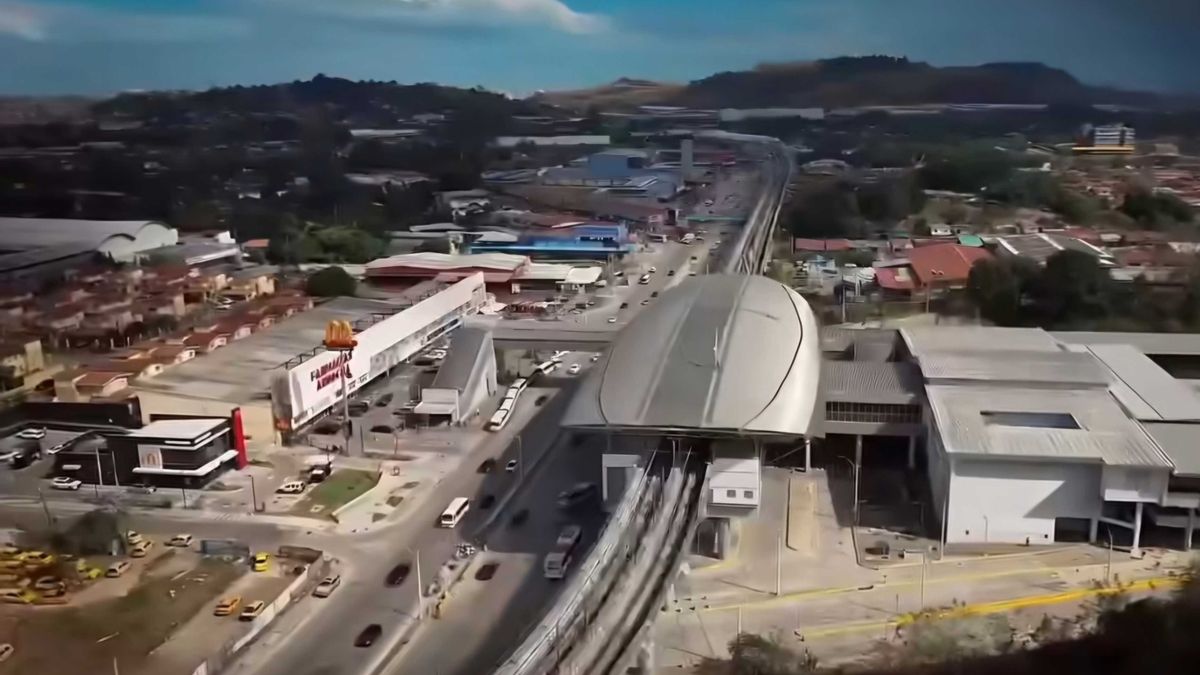
Panama’s Metro system and MiBus will enable the Villa Zaita Interchange next week, creating a new connection point for passengers moving between bus and rail services in the capital area.
The routes involved will keep their established stop at the Villa Zaita station, maintaining the current boarding and drop-off point for commuters using that area.
Why It Matters
The opening of the interchange is expected to improve daily transfers for people traveling through one of the city’s important northern transport corridors. By linking Metro and MiBus services in a single area, the change should make it easier for passengers to connect across different parts of Panama City and surrounding communities.
Integrated public transport points are a key part of the city’s mobility network, especially in areas where riders depend on both bus and rail to complete longer trips. Villa Zaita joins that network as another transfer hub designed to support more efficient movement across the capital.
Background
Metro de Panamá has continued expanding its role in urban transportation alongside MiBus, the city’s bus operator. Coordinated stops and interchange points have become increasingly important as Panama City works to streamline travel for residents who rely on public transit each day.
Villa Zaita is located in the northern sector of the metropolitan area and serves a growing flow of passengers. Keeping the MiBus stop at the station while the interchange comes online is meant to preserve continuity for current riders while adding a more organized transfer option.
What Riders Should Expect
With the interchange enabled, passengers using the affected MiBus routes will continue to board and exit at the Villa Zaita station. The new setup places Metro and bus services closer together, helping reduce the friction of transfers and improving the overall passenger experience.
For commuters, the change reflects Panama’s broader push toward more connected public transportation infrastructure in the capital region. As the system grows, interchange points like Villa Zaita are likely to play a larger role in daily mobility.