
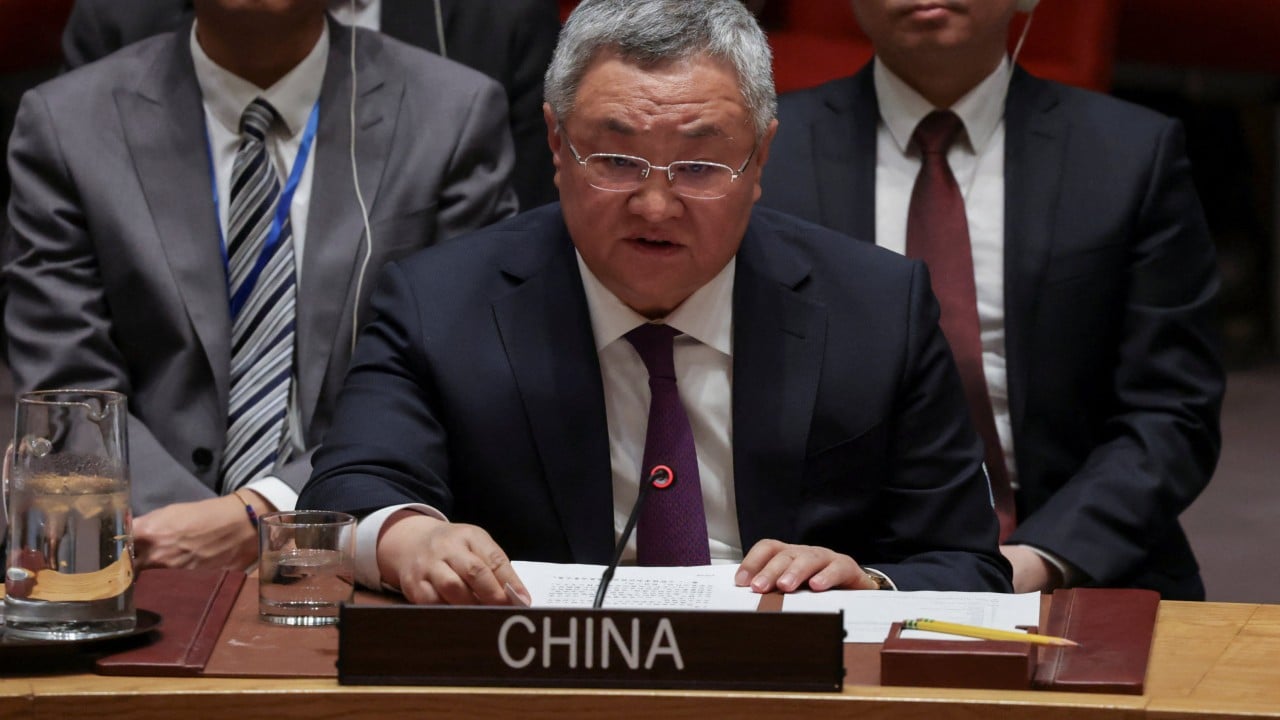
The U.S. House Select Committee on China released a report on Friday accusing Beijing of manipulating its position at the United Nations to “undermine America’s interests and advance its international ambitions.” The 34-page document alleges China leverages budget contributions, strategic appointments to executive posts and deployment of troops to extend its influence inside the world body.
What Happened
The House Select Committee on China published a 34-page report asserting that China is using its role at the United Nations to weaken U.S. influence and promote its own global agenda. According to the report, Beijing pursues this objective through three primary tools: its contributions to the UN budget, placement of allies in senior UN executive positions, and the strategic deployment of troops to UN missions.
The committee argued these actions allow China to expand its reach across UN agencies and decision-making forums. The report, as released, did not provide detailed comparisons explaining how these activities differ from the behavior of other member states at the UN, or fully document the specific influence outcomes tied to each tactic.
Background
The United Nations is a multilateral organization in which member states exercise influence through financial contributions, voting in assemblies and councils, placement of nationals in leadership roles, and participation in peacekeeping and operational missions. Both permanent members of the U.N. Security Council and other major contributors have long used those levers to advance national priorities.
China is a permanent member of the U.N. Security Council and, over recent decades, has increased its engagement across UN forums, including in areas such as peacekeeping, development agencies and specialized bodies. Beijing’s growing global role has been a focus of U.S. policymakers who view expanding Chinese influence as a strategic challenge.
Congressional scrutiny of China’s international activities has intensified in recent years, with committees and lawmakers examining trade, technology, diplomacy and multilateral institutions. The House Select Committee on China was formed to investigate a range of strategic competition issues between the United States and China; this latest report addresses the committee’s assessment of Beijing’s behavior within the UN system.
Why It Matters
Allegations that a major power is deliberately shaping multilateral institutions to favor its interests strike at the heart of how those institutions function. If true and widespread, such influence could alter the priorities and effectiveness of UN agencies on issues ranging from peacekeeping and humanitarian response to development assistance and norms-setting.
For U.S. foreign policy, the report frames UN-level activity as another front in strategic competition with China. Washington may respond by pursuing reforms in how the UN manages appointments and budgets, by seeking to bolster its own diplomatic engagement within the institution, or by working with allies to counter perceived influence operations. Those responses could shape alliance diplomacy and multilateral governance in the years ahead.
For countries in Latin America and the Caribbean, shifts in UN influence can have practical consequences. UN agencies deliver development programs, technical assistance and peacebuilding support that affect governments and communities across the region. Changes in leadership, funding priorities, or the balance of influence among major powers could influence which projects are funded, which norms gain traction, and how disputes are addressed at the international level.
At the operational level, the use of peacekeepers and personnel by different states affects on-the-ground missions. If troop and personnel deployments are being shaped for strategic advantage rather than strictly for mission needs, that could complicate the UN’s ability to respond neutrally and effectively in crisis situations — a concern for any country that relies on multilateral responses to conflict or disaster.
The report itself acknowledges practices Beijing uses — budgetary engagement, appointments and troop contributions — but the committee stopped short of fully distinguishing those moves from longstanding instruments of influence exercised by many countries at the UN. That gap will likely be a point of contention as policymakers, diplomats and UN officials digest the findings and debate possible responses.
Ultimately, the report adds to an ongoing debate over how multilateral institutions should balance the influence of powerful states with the need to remain impartial and effective. How Washington, Beijing and other capitals act next could shape the UN’s role on issues important to Panama and the wider region, from migration and development to climate and security cooperation.