
The United States and Iran are preparing for their first face-to-face, high-level contact since the war in the Middle East, with talks expected to open in Islamabad on Saturday. The meeting, hosted in Pakistan, marks a potentially significant diplomatic step after weeks of regional conflict and mounting pressure for a ceasefire or broader settlement.
What Happened
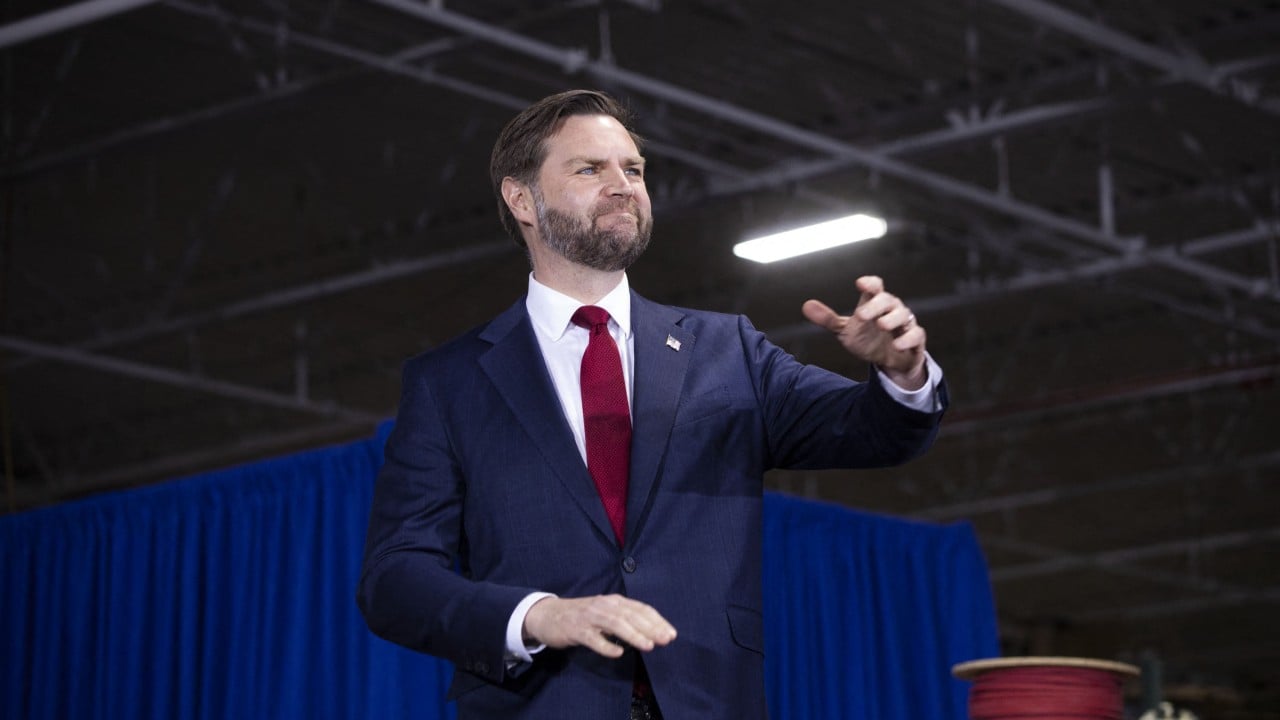
US Vice-President J.D. Vance is scheduled to travel to Islamabad for the first round of talks, according to the White House. The American delegation is expected to arrive on Friday, with negotiations likely to last one day. Security preparations are already under way in the Pakistani capital, where the US Secret Service has arrived ahead of the visit.
The talks are being framed as an effort to help end the war in the Middle East. Their significance lies not only in the substance of the discussions, but also in the fact that they represent the most important direct, high-level US-Iran contact since 1979.
Background
Relations between Washington and Tehran have been frozen for decades, shaped by the 1979 Islamic Revolution, the hostage crisis at the US Embassy in Tehran, sanctions, nuclear tensions, and a series of regional proxy conflicts. Any direct talks between senior officials from both sides are therefore unusual and closely watched by allies, rivals, and energy markets alike.
Pakistan’s role as host adds another layer of diplomacy. The country has often served as a venue or channel for sensitive regional engagement, particularly when broader Middle East security issues spill across borders. Islamabad’s involvement underscores how deeply the conflict’s political and security effects have spread across the wider region.
For Washington, the talks come at a moment when ending active hostilities and preventing further escalation are central priorities. For Iran, the discussions could offer a chance to test whether direct engagement can ease pressure while preserving its strategic interests. Both sides face domestic and regional constraints that make a breakthrough difficult, but even the act of meeting carries weight.
Why It Matters
Any meaningful thaw between the US and Iran could affect regional security, shipping routes, oil prices, and the wider diplomatic balance in the Middle East. A reduction in conflict would also matter for countries far beyond the region, including Panama, where disruptions to global trade and energy markets can quickly filter through to the economy.
Panama depends heavily on stable international commerce, and any escalation in the Middle East can ripple through freight costs, insurance rates, and fuel prices. For Latin America, a calmer regional environment in the Gulf would help ease pressure on imports and on economies already sensitive to global price swings.
Even if the Islamabad talks do not produce an immediate breakthrough, the decision to open direct negotiations at this level signals that both sides may be reassessing the costs of continued confrontation. In a region already marked by war and uncertainty, that alone makes the meeting a major diplomatic development.