
The collapse of weekend peace talks between the United States and Iran has put President Donald Trump in a difficult position, with analysts warning that any decision on renewed military strikes could deepen a standoff already centered on the Strait of Hormuz and Iran’s nuclear program.
What Happened
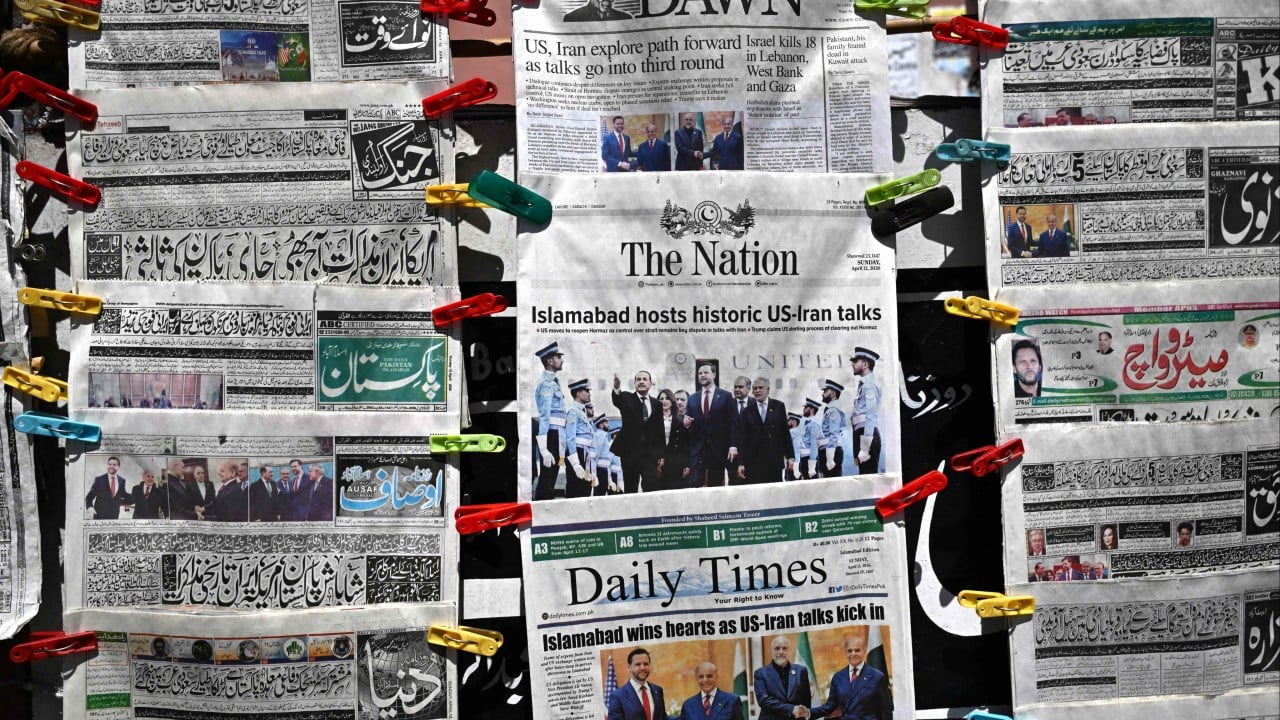
US and Iranian officials held 21 hours of talks in Islamabad, Pakistan, over the weekend, with the Strait of Hormuz and Iran’s nuclear issues among the main subjects under discussion. The meetings ended without a breakthrough, leaving the two sides stuck over one of the world’s most strategically important waterways and the future of negotiations aimed at easing tensions.
Chinese analysts have said the failed talks leave Trump with a stark choice: resume strikes and risk political backlash at home, or hold back and accept a continued stalemate that keeps pressure on global shipping and regional security. With midterm elections approaching in the United States, the domestic costs of escalation could be significant, while any restraint may be read as weakness by hawks pressing for a tougher line on Tehran.
Background
The Strait of Hormuz is a narrow passage between Iran and Oman through which a large share of the world’s oil trade passes. Any threat to traffic there can quickly ripple through global energy markets and raise costs for countries that depend on imported fuel. For decades, tensions around the strait have made it one of the most closely watched chokepoints in international politics.
Iran’s nuclear program has also been a central issue in US-Iran relations for years, drawing in European, Middle Eastern and Asian powers concerned about the risk of proliferation and wider conflict. Diplomatic efforts to manage that dispute have repeatedly stalled, often after periods of heightened military tension or sanctions pressure.
Pakistan’s role as the venue for the talks underlines how regional governments sometimes serve as intermediaries when Washington and Tehran seek indirect or back-channel engagement. Islamabad has long had a delicate balancing act in Middle East diplomacy, given its own ties to both Western powers and Muslim-majority states across the region.
Why It Matters
The failed talks matter well beyond the United States and Iran because the Strait of Hormuz is a critical artery for the global economy. A renewed cycle of military strikes or retaliatory moves could threaten shipping, push up energy prices and increase volatility in markets that affect consumers and businesses far from the Gulf.
For Panama and Latin America, the fallout could still be felt through higher fuel costs, shipping disruptions and broader inflationary pressure. Panama’s economy is closely tied to global trade and maritime logistics, and any shock to energy or transport routes can quickly reach the region through higher import bills and slower commercial activity.
The diplomatic impasse also comes at a sensitive moment in global politics, as major powers weigh how to manage conflict risks without triggering a wider regional crisis. Whether Trump chooses escalation or caution, the outcome is likely to shape US foreign policy debates and set the tone for the next phase of Middle East tensions.