
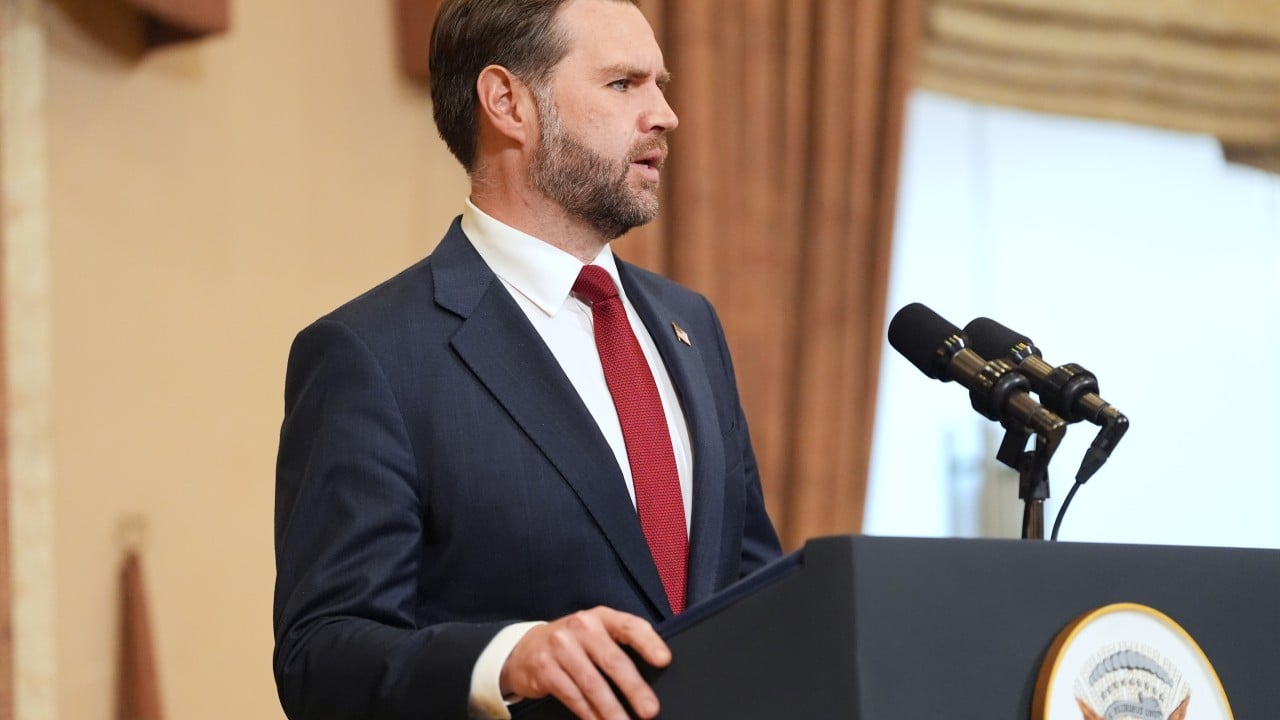
Marathon talks between the United States and Iran ended without agreement in Islamabad after 21 hours of negotiations, leaving a major diplomatic channel stuck over the unresolved issue of nuclear arms. US Vice President J.D. Vance said the sides held “a number of substantive discussions,” but no breakthrough was reached.
What Happened
Speaking after the talks on Sunday in the Pakistani capital, Vance said the negotiations had produced serious engagement but no deal. He described the outcome as “bad news” for Iran and, more broadly, for the United States. The central sticking point was nuclear arms, underscoring how far apart the two sides remain on the most sensitive issue in their relationship.
The failure to secure an agreement came after an extended day of diplomacy that stretched deep into the night. The length of the meeting suggested both sides were prepared to test the possibility of compromise, but the outcome showed that the core dispute remains unresolved.
Background
The United States and Iran have been locked for years in a dispute over Tehran’s nuclear program, with Washington and its allies seeking strict limits to prevent Iran from developing a nuclear weapon. Iran has long insisted its program is for peaceful purposes, while Western governments have expressed concern about enrichment levels, stockpiles, and the potential for rapid weapons capability.
Talks between Washington and Tehran have repeatedly been complicated by sanctions, regional tensions, and mutual distrust. Any breakthrough on nuclear issues would carry consequences well beyond the bilateral relationship, potentially affecting energy markets, security conditions in the Middle East, and diplomatic dynamics across the wider international system.
Pakistan’s role as the venue for the talks also placed Islamabad at the center of a high-stakes diplomatic moment involving two powers whose confrontation has broad implications for global security. Islamabad has often sought to maintain working ties with both Washington and Tehran, particularly as instability in the Middle East can reverberate through South and Central Asia.
Why It Matters
The failure of the talks keeps alive one of the world’s most dangerous diplomatic standoffs. Without an agreement, the risk of further escalation remains, whether through tighter sanctions, military posturing, or continued advances in Iran’s nuclear program. That uncertainty matters not only for the Middle East but for international security more broadly.
For Panama and Latin America, the consequences are indirect but real. Escalation in the Persian Gulf can affect global oil prices, shipping costs, and inflation pressures that reach energy-importing economies throughout the region. Any rise in geopolitical tension that disrupts trade routes or lifts fuel prices can quickly filter through to consumers and businesses across Latin America.
The breakdown also highlights how fragile nuclear diplomacy remains at a time when multiple global conflicts are competing for attention. For governments that depend on stable energy supplies and predictable trade conditions, the outcome in Islamabad is another reminder that major-power negotiations can have ripple effects far beyond the countries directly at the table.