
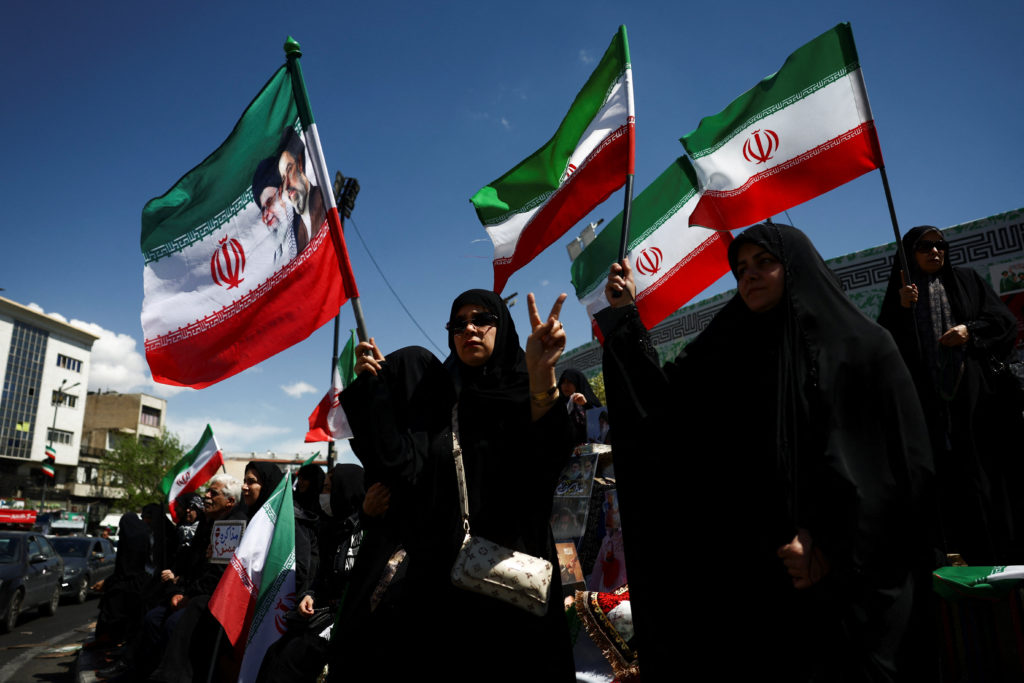
The fragile ceasefire between the United States and Iran has so far prevented direct attacks between the two sides, but the pause is being tested by growing tensions around the Strait of Hormuz and by Israel’s war in Lebanon. The situation has raised concerns about the security of one of the world’s most important shipping lanes and the risk that the broader conflict could spread across the Middle East.
What Happened
For the first time in more than five weeks, the United States did not launch widespread strikes against Iran, and Iran did not carry out attacks on American targets. That temporary calm marks a notable shift after weeks of confrontation that had intensified fears of a direct U.S.-Iran clash.
Even so, the ceasefire remains under strain. Iran is widely seen as maintaining pressure around the Strait of Hormuz, the narrow passage through which a large share of the world’s oil and gas shipments move. Any disruption there can quickly send shockwaves through global energy markets and shipping routes.
At the same time, Israel’s war in Lebanon is adding to regional instability. The fighting has widened concerns that multiple flashpoints in the Middle East could become linked, making it harder for the ceasefire to hold and increasing the risk of miscalculation among armed actors in the region.
Background
The U.S. and Iran have been locked in a long-running confrontation shaped by sanctions, proxy conflicts, military incidents and disputes over Iran’s regional influence and nuclear ambitions. When direct strikes escalate, the consequences often extend beyond the two countries, pulling in allies, militia groups and global markets.
The Strait of Hormuz is especially sensitive because it connects the Persian Gulf to the Gulf of Oman and the Arabian Sea. Oil producers across the Middle East depend on the waterway, making it a critical chokepoint for the global economy. Threats to shipping there have repeatedly prompted international alarm, even when no full blockade takes place.
Lebanon has also become a dangerous front in the wider regional conflict. Fighting involving Israel and armed groups operating there has repeatedly raised concerns that violence could spill across borders and trigger a larger confrontation involving Iran-backed networks across the Middle East.
Why It Matters
The current ceasefire matters because even a temporary pause between Washington and Tehran can help prevent a wider war, but only if key pressure points remain contained. The Strait of Hormuz is one of those pressure points, and any escalation there could affect oil prices, global shipping and economic stability far beyond the Middle East.
For Panama and Latin America, the stakes are indirect but real. Higher fuel costs can feed into transport, food and import prices across the region, while disruptions to maritime trade can affect global supply chains that pass through the Panama Canal and other major shipping routes. A prolonged crisis could also add volatility to the international economy at a time when many countries are still sensitive to energy shocks and trade disruptions.
The ceasefire may be holding for now, but with pressure building in both the Gulf and Lebanon, the region remains one of the world’s most dangerous geopolitical fault lines.