
What Happened
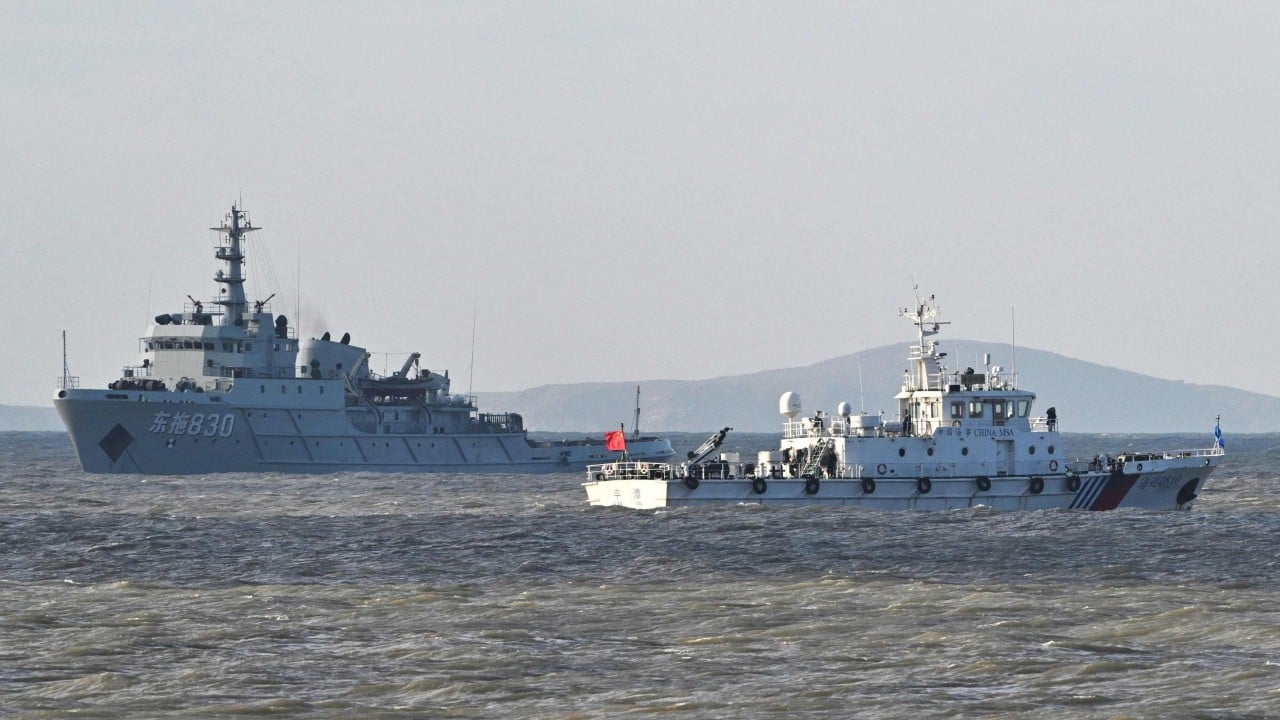
A U.S. threat assessment released on Wednesday concluded that mainland China is unlikely to launch an attack on Taiwan next year. The report cites a range of security and economic deterrents, including Beijing’s belief that an amphibious assault could fail and that the technological, supply-chain and investor costs of such an operation would be enormous.
Background
The intelligence overview appears to walk back a projection made by the Pentagon last year that China might seek to seize the self-governing island by force as early as 2027. The new assessment stresses the operational risks and the heavy economic penalties an invasion would entail, which the report suggests are factors Beijing is taking into account.
Details from the Assessment
The assessment highlights two core deterrents: military risk and economic fallout. On the military side, U.S. analysts say Chinese planners consider an amphibious assault to be at significant risk of failure. Economically, the report points to the large technological, supply-chain and investor costs that would follow an attack, implying severe global disruptions and financial consequences for Beijing.
What This Means
While the assessment lowers the immediate likelihood of a cross-strait invasion in 2027, it does not rule out future escalations or other forms of pressure short of full-scale military action. For countries in Latin America and for Panama specifically, the assessment underscores continued uncertainty in global trade and investment environments. Disruptions to supply chains or shifts in investor confidence tied to cross-strait tensions could reverberate through global markets and logistics networks that Panama helps service.
Outlook
The U.S. assessment provides a reassessment of short-term invasion timelines but leaves open longer-term strategic competition in the region. Observers will watch for subsequent intelligence reporting, diplomatic moves, and military posturing that could change threat evaluations over time.