
What Happened
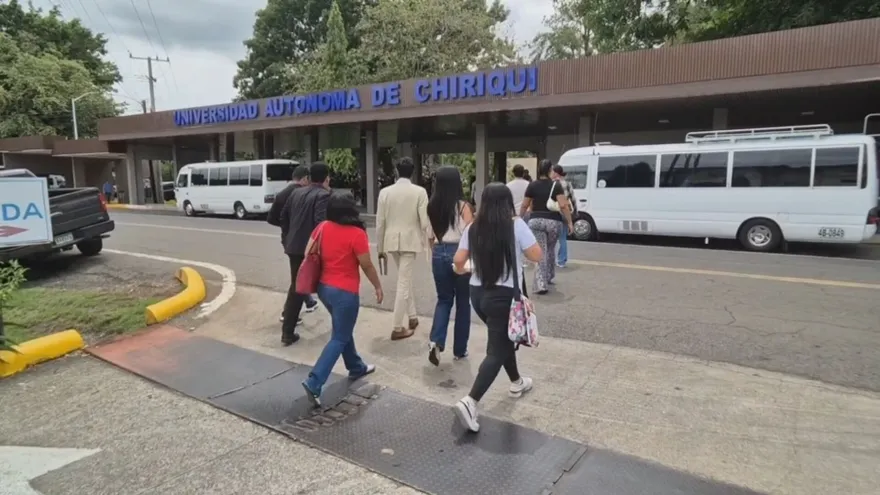
Students and faculty from the Universidad Autónoma de Chiriquí (UNACHI) gathered in a vigil outside the rector’s office as the university continues to face an administrative and financial crisis. The demonstration was marked by calls for the Public Ministry to move more quickly in its investigations, reflecting growing frustration inside one of Panama’s key public universities.
The vigil took place in a setting that has become increasingly tense for the Chiriquí campus, where concerns about management and finances have fueled public pressure. By turning to a peaceful nighttime protest, members of the university community sought to keep attention on the institution’s internal turmoil and the need for accountability.
Why the Protest Matters
UNACHI is one of Panama’s major regional universities and plays an important role in higher education in the western part of the country. When a public university enters a period of administrative and economic strain, the effects can reach beyond campus life, affecting students’ academic continuity, staff morale, and confidence in public institutions.
Calls for faster criminal or administrative investigations also carry wider significance in Panama, where public-sector oversight is often closely watched by citizens and civil society groups. In cases involving state universities, the pace of investigations can become a test of how seriously allegations are being handled and whether institutional reforms will follow.
Background to the Crisis
The vigil comes as UNACHI navigates a crisis described by those on campus as both administrative and economic. That combination often creates a chain reaction: delays in decisions, uncertainty over resources, and pressure on university authorities to explain how the institution is being run. For students, the immediate concern is usually whether academic operations will remain stable. For faculty, the issue often extends to working conditions and the long-term credibility of the university.
Protests at universities in Panama have historically been used to demand transparency, institutional reform, and more direct action from authorities. A vigil, in particular, signals a nonviolent but firm appeal for answers, allowing participants to maintain pressure while framing their demands as a defense of public education.
What to Watch Next
The key question now is whether the Public Ministry accelerates its work and whether university authorities take additional steps to address the crisis that triggered the protest. For the UNACHI community, the outcome will matter not only for governance inside the university but also for the broader message it sends about accountability in Panama’s public institutions.
Students and professors are likely to keep watching for any official response that clarifies the scope of the investigations and whether immediate administrative measures will be taken. Until then, the vigil reflects a campus community under strain and determined to keep public pressure on the issue.
Source: TVN 2