
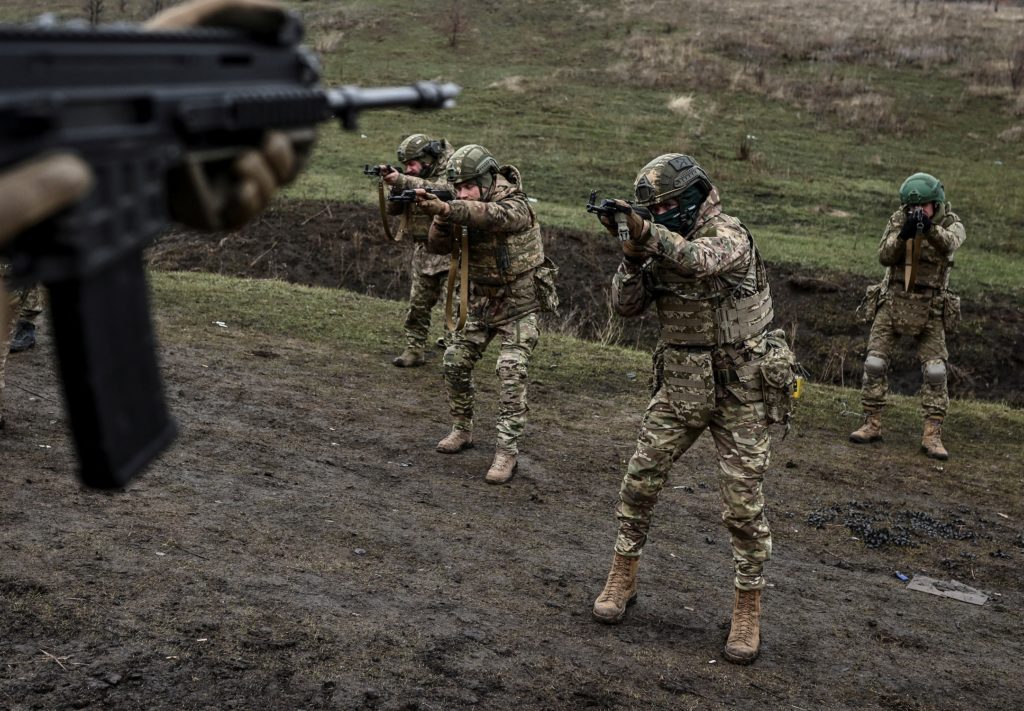
Ukraine’s armed forces are confronting a deepening manpower crisis as the war with Russia enters its fifth year, with desertion emerging as one of the most serious internal challenges facing the military. An estimated 150,000 service members may be missing from their units, a sign of mounting strain after years of relentless fighting.
What Happened
Desertion has become a growing problem inside Ukraine’s military, driven by battlefield exhaustion, prolonged deployments and frustration over orders that some soldiers view as suicidal. The war has stretched far beyond the short conflict many expected when Russia launched its full-scale invasion, and the length of the fighting has taken a heavy psychological and physical toll on troops.
Among the factors cited by soldiers are fatigue from extended service, anger over being pushed into dangerous operations and resentment over forced mobilization. The pressure has been severe enough that some servicemen have chosen to leave their units rather than continue under conditions they believe are unsustainable.
The crisis is not only about numbers on a battlefield ledger. It reflects the strain of trying to hold a front line against a larger invading force while cycling exhausted soldiers through repeated deployments. One young soldier described being pushed beyond his breaking point, a sentiment that underscores how morale has become as important a challenge as weapons and ammunition.
Background
Since Russia’s invasion began in 2022, Ukraine has depended on a rapid mobilization of civilians into military service to defend territory, cities and critical infrastructure. The conflict has evolved into a grinding war of attrition, with both sides suffering heavy losses and Ukraine facing the added challenge of sustaining its ranks over time.
Desertion and draft avoidance are not new problems in long wars, especially when fighting drags on with no clear end in sight. For Ukraine, the issue has become more acute because its military must continually replenish personnel while maintaining defensive lines across a broad front. The strain is amplified by the emotional weight of the war itself: repeated attacks on cities, widespread casualties and the constant threat of Russian advances.
The fifth year of the invasion marks a significant turning point. Early wartime unity and volunteer spirit have given way to the harsher realities of long-term conflict, where morale, discipline and rotation of troops can determine how long a fighting force remains effective. In wars of attrition, losses in cohesion can be as damaging as losses in equipment.
Why It Matters
For Ukraine, a worsening desertion problem could weaken battlefield performance, complicate mobilization efforts and deepen political tensions at home. If too many soldiers leave their posts, commanders may struggle to sustain operations, protect vulnerable sectors and prepare for future offensives or defensive holds.
The issue also matters beyond Ukraine’s borders. The war has reshaped European security, strained Western military aid and influenced global energy and food markets since the invasion began. Any sign that Ukraine’s fighting capacity is under pressure will be watched closely by allies in Europe and the United States, where support for continued assistance has already faced political debate.
For Panama and Latin America, the conflict remains relevant because prolonged war in Europe continues to affect international trade, inflation and diplomatic priorities. Disruptions linked to the conflict have already fed into global price volatility, while the broader contest between Russia and the West continues to shape the international environment in which countries across the hemisphere must operate.
As the war moves deeper into its fifth year, Ukraine’s ability to hold together its military may prove just as critical as the weapons it receives. Desertion is now part of the larger question of how long the country can keep fighting at the current intensity.