
What Happened
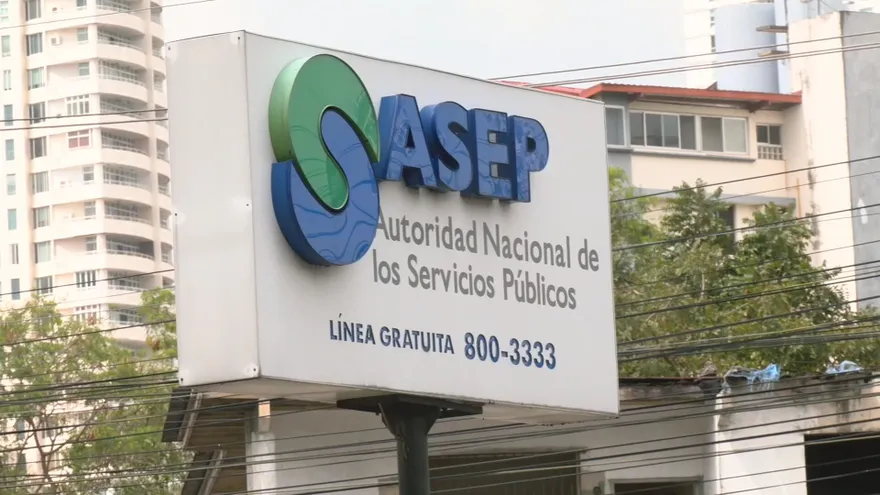
Panama’s Public Services Authority, known as ASEP, has strengthened rules governing the sale of TV Box devices and IPTV services in the country. The agency warned that cases tied to the illegal distribution of protected content could also lead to criminal liability.
Why It Matters
The move places greater pressure on sellers and distributors of devices and services that can be used to access television content. In Panama, as in many countries, the expansion of digital streaming has also increased concern over unauthorized access to paid channels and protected programming.
Legal and Commercial Impact
By signaling possible criminal consequences, ASEP is drawing a firmer line between legitimate audiovisual services and activity that may violate intellectual property rules. That stance could affect retailers, installers, and online sellers that market TV Box equipment or IPTV subscriptions to consumers.
For businesses operating in this space, the enforcement shift raises the stakes around compliance, product advertising, and content distribution. For consumers, it serves as a reminder that not every device or subscription offered in the market is necessarily authorized for protected programming.
Broader Context in Panama
TV Box devices and IPTV platforms have become increasingly common in Latin America as viewers look for cheaper and more flexible ways to access television content. At the same time, regulators across the region have stepped up scrutiny of services linked to piracy, unauthorized retransmission, and other forms of content theft.
Panama’s action reflects that wider trend, with authorities focusing on protecting legitimate broadcasters and rights holders while discouraging illegal distribution networks. The warning from ASEP also suggests that enforcement may now extend beyond administrative sanctions into potential criminal cases when protected content is involved.