
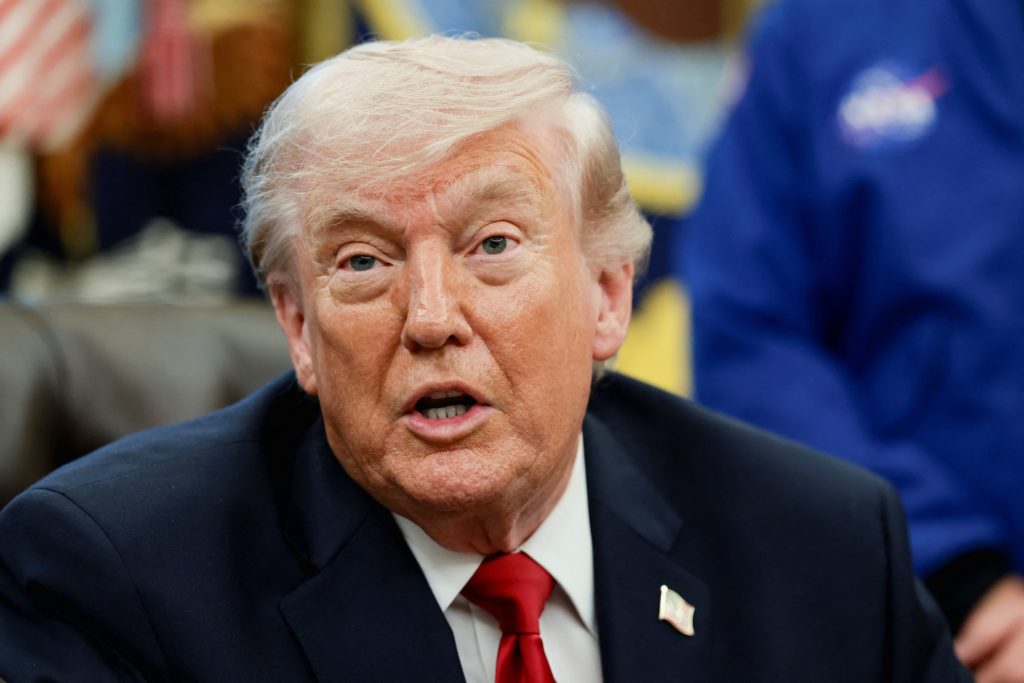
President Donald Trump has rejected Iran’s latest proposal as his administration considers new military options amid a fragile ceasefire that has paused a war now in its third month. The move comes as the White House tells Congress that it does not need authorization to keep acting because the conflict was “terminated” during the current truce.
What Happened
The latest developments center on a sharp escalation in U.S.-Iran tensions and the legal questions surrounding America’s role in the war. Sixty days after the conflict began, Friday marks a deadline that would ordinarily require the administration to seek congressional approval for continued military action.
Instead, the White House has taken the position that congressional authorization is unnecessary because the war has already been ended under the ceasefire. At the same time, Trump is reviewing additional military options, signaling that the administration is not treating the truce as a final resolution. Iran’s latest proposal was dismissed, deepening uncertainty over whether diplomacy can still halt further fighting.
Background
The standoff reflects a long-running pattern in U.S.-Iran relations, where diplomacy, sanctions, and military pressure have repeatedly collided. Any renewed conflict between the two countries would carry immediate consequences for the wider Middle East, including regional security, global energy markets, and shipping routes that are critical to international trade.
Ceasefires in major conflicts often leave unresolved questions about enforcement, accountability, and future negotiations. In this case, the administration’s insistence that the war has been terminated could shape how much leverage Congress retains over military decisions, especially if combat resumes or strikes expand.
For Latin America, the direct impact would be more indirect than immediate, but a broader war in the Middle East could still influence fuel prices, inflation, and global trade conditions. Panama, as a logistics hub tied to international commerce and maritime flows, is especially exposed to disruptions that ripple through shipping and energy markets.
Why It Matters
The dispute is significant because it sits at the intersection of war powers, executive authority, and the risk of a wider regional conflict. If the Trump administration moves ahead with military options without a clear congressional mandate, the clash over authority could intensify in Washington even as the ceasefire remains under strain abroad.
For Panama and the rest of Latin America, the most important implications would likely come through the global economy. Escalation in the Middle East can quickly push up oil prices and raise transportation costs, affecting consumers and businesses across the region. Any disruption to world shipping also matters for a country like Panama, where the Canal sits at the center of global maritime trade.
Beyond economics, renewed hostilities would add pressure to an already volatile international landscape, raising the stakes for U.S. diplomacy and the chances of broader instability if negotiations collapse.