
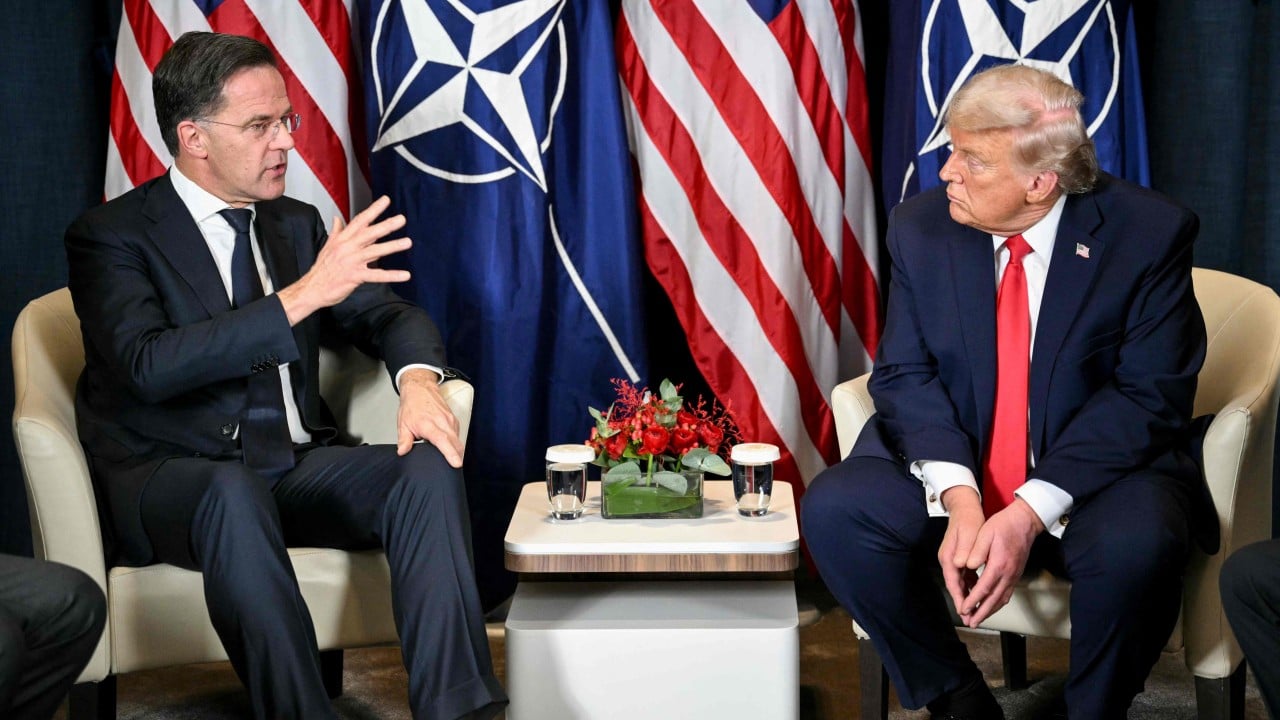
The war involving the United States, Israel and Iran is sharpening long-running tensions inside Nato and reviving doubts about how cohesive the alliance can remain under President Donald Trump. As Washington’s posture hardens and Trump intensifies pressure on allies to do more for their own defence, the conflict has become a new test of unity for the transatlantic bloc.
What Happened
Trump has repeatedly attacked Nato since returning to the White House, accusing European allies of “free-riding” on US security and demanding larger military and financial contributions. Those complaints have grown more pointed in recent weeks as the confrontation with Iran has intensified and Washington’s expectations of allied support have become more politically charged.
The strain comes at a time when Nato already faces deep internal questions over burden-sharing, military readiness and the credibility of its collective defence promise. A conflict involving the US and Israel against Iran adds another layer of uncertainty because it could pull in allied political support at the very moment some members are wary of broader escalation in the Middle East.
Background
Nato was created in 1949 as a mutual-defence alliance linking North America and Europe. For decades, its strength has depended not only on military capability but also on political trust among members that the alliance will respond collectively to threats. In recent years, that trust has been tested by disputes over defence spending, differences over Russia, and diverging views on Middle East policy.
Trump has long argued that European members should contribute more to the alliance, a stance he pushed aggressively during his first term and has revived since his return to office. His criticism has often gone beyond policy disagreement, casting doubt on whether the US would automatically stand behind allies that he sees as failing to meet their obligations.
The current standoff over Iran matters because major crises outside Europe can expose fissures inside alliances. Even when Nato members are not formally required to join a US-led action, they are often expected to provide diplomatic backing, intelligence cooperation, logistical support or political cover. That can place countries under pressure if they disagree with the way a conflict is being handled.
Why It Matters
If the Iran war becomes a broader loyalty test for Nato, it could accelerate the alliance’s drift toward a looser, more transactional structure. A Nato that remains formally intact but is less united in practice would still exist on paper, but its deterrent power could weaken if members begin to doubt Washington’s reliability or each other’s commitment.
For Panama and Latin America, the immediate impact is indirect, but not irrelevant. A more divided Nato could affect global diplomacy, energy markets and the broader balance of US foreign-policy attention, all of which can shape trade conditions and regional political alignments. Instability in the Middle East also has a habit of rippling into shipping routes, commodity prices and inflation pressures far beyond the conflict zone.
Even so, Nato is unlikely to disappear soon. Its institutional framework, command structure and decades of defence integration give it significant staying power. The larger question is whether Trump’s confrontational style and the pressures created by the Iran war will leave the alliance functionally weaker, more divided and increasingly symbolic rather than operationally unified.