
What Happened
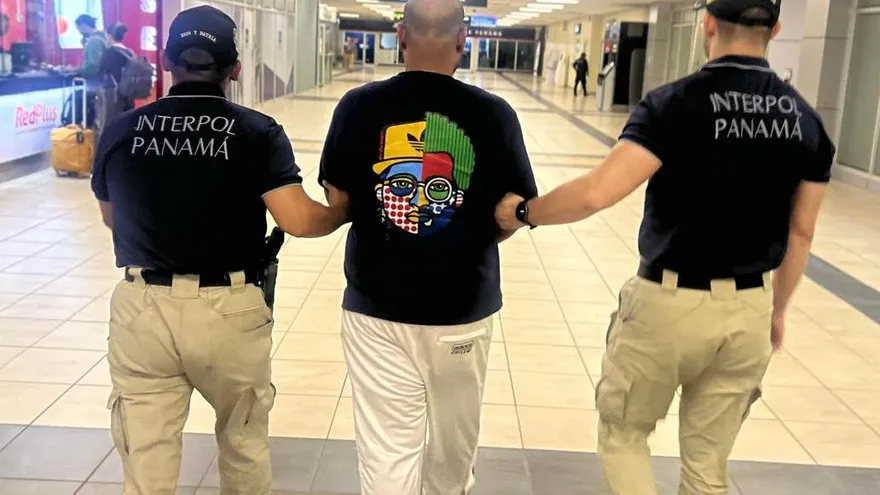
A Honduran man wanted in the United States on narcotics charges was captured at Tocumen International Airport in Panama City. The arrest took place during an international investigation into transnational drug trafficking operations.
Authorities linked the suspect to a criminal organization allegedly involved in moving large cocaine shipments from South America to North America and other illicit markets. The detention at Panama’s main international airport underscores the country’s role as a transit point in regional security operations.
Background
Panama has long been a key corridor for air and maritime travel in the Americas, which also makes its airports and borders important locations for law enforcement cooperation. Tocumen International Airport, the country’s busiest airport, is frequently used for international connections and is a strategic point for identifying individuals wanted abroad.
Cases like this often depend on coordination between Panamanian authorities and foreign agencies, especially when suspects are tied to criminal networks that operate across several countries. Drug trafficking routes linking South America, Central America, and the United States remain a major concern for regional security officials.
Why It Matters
The capture reflects Panama’s continued participation in international efforts to disrupt organized crime networks. Arrests made at entry and transit points can help prevent suspects from moving between countries and may support broader investigations into trafficking structures.
For Panama, operations of this kind also highlight the importance of airport security and cross-border intelligence sharing. Tocumen’s role as a major regional hub places it at the center of both legitimate travel and enforcement efforts against transnational crime.