
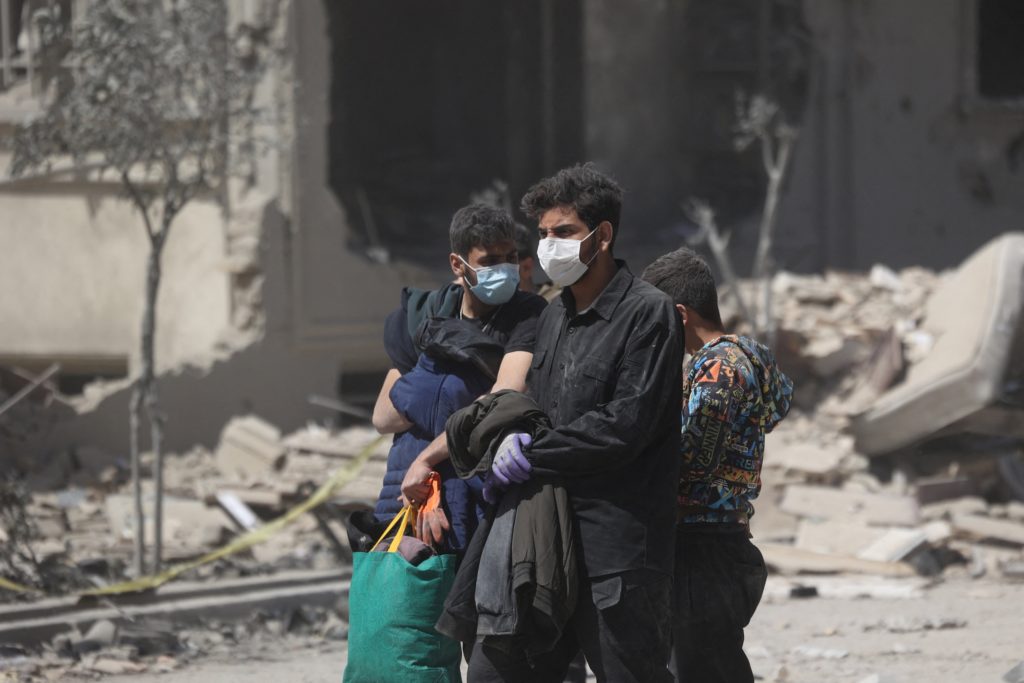
Widespread power outages in Tehran have deepened anxiety across Iran as residents fear that critical infrastructure could become a target amid rising regional tensions. The disruptions have added to a sense of uncertainty in the capital, where even brief interruptions to electricity can ripple through transportation, communications, commerce and daily life.
What Happened
Power failures have been reported in Tehran, prompting concern among Iranians that the outages may be linked to threats against essential infrastructure. In a city of millions that depends on a stable electricity supply, even short-lived outages can affect homes, businesses and public services.
The alarm is heightened because infrastructure has increasingly become part of modern conflict. In the Middle East, utilities such as power grids, water systems, ports, refineries and telecommunications networks are often viewed as strategic assets, particularly during periods of confrontation between states and armed groups.
Background
Iran has long lived under the pressure of sanctions, internal economic strain and periodic security incidents. Its power system has also faced recurring stress from aging infrastructure, peak demand and fuel-supply challenges, particularly during hot summer months and periods of heavy consumption. When blackouts occur in the capital, they tend to carry outsized political and psychological weight because Tehran is both the seat of government and the country’s largest urban center.
Regional tensions have also placed Iran’s infrastructure under greater scrutiny. In recent years, attacks and sabotage targeting energy and industrial facilities across the broader Middle East have underscored how vulnerable critical systems can be in times of crisis. As a result, any outage in a major Iranian city can quickly trigger speculation about whether it reflects technical strain, deliberate disruption or preparation for a broader escalation.
For Iran, the stakes are not only domestic. The country sits at the center of a wider geopolitical contest involving the United States, Israel, Gulf states and armed groups across the region. Disruptions to key infrastructure can become part of a larger struggle over deterrence, signaling and public confidence.
Why It Matters
Tehran’s power outages are significant because they highlight how fragile infrastructure can become during periods of heightened tension, especially in a country already under economic and political pressure. If residents believe that essential systems are vulnerable, that can erode confidence in government preparedness and intensify public unease.
The issue also matters beyond Iran. Any escalation involving attacks on energy or utility networks in the Middle East can affect oil markets, shipping routes and regional stability. For Latin America, including Panama, the most immediate impact would likely come indirectly through global energy prices, trade disruptions and volatility in international markets tied to Middle East tensions.
As conflicts increasingly spill into the realm of infrastructure, power grids and other civilian systems are becoming front-line targets in geopolitical confrontations. That makes outages in a city like Tehran more than a local inconvenience: they are a warning sign of how broader conflict can reach into everyday life.