
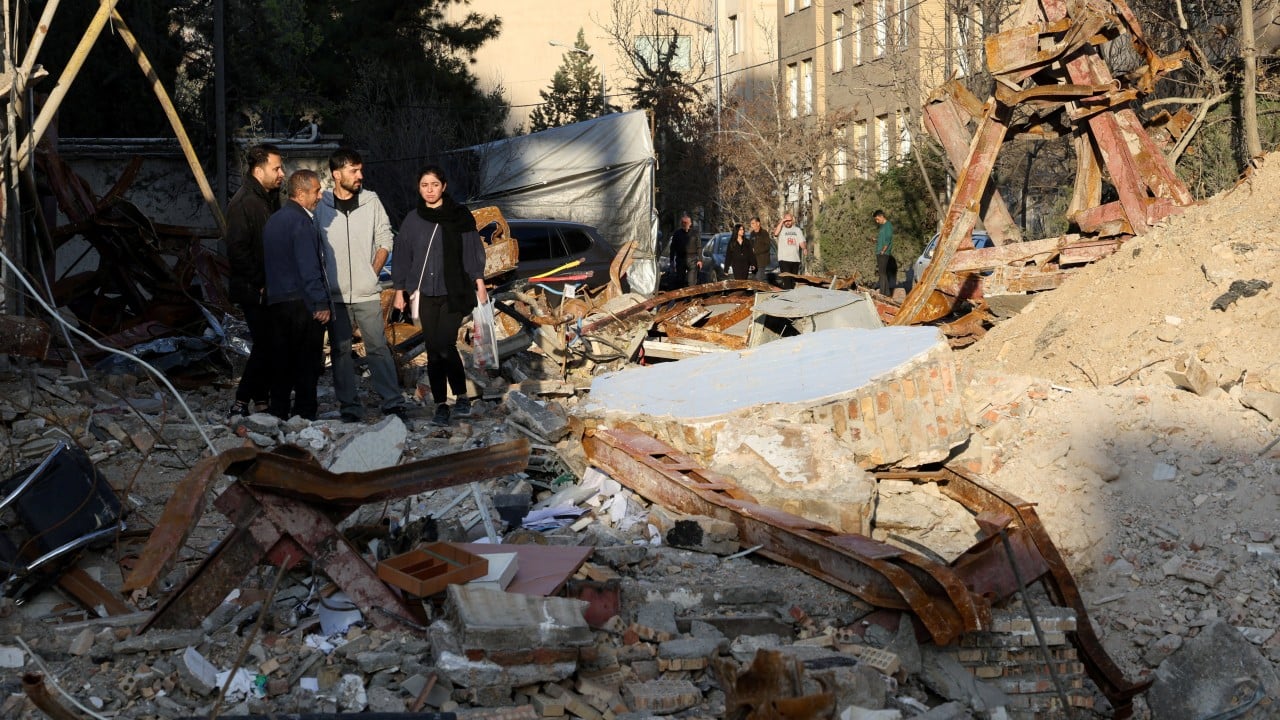
An explosion in eastern Tehran shattered the quiet of a residential night and sent glass raining across a home — damaging a laptop and turning distant threats into a sudden, physical reality. Yet, as the author reports, life resumed quickly, illustrating how ordinary routines in Iran’s capital are adapting to a changing conflict landscape amid the wider US–Israel war.
What Happened
Residents of Tehran have grown accustomed to the sounds of conflict at night: distant explosions, jets overhead and a constant undercurrent of tension. In a recent incident described by a resident in eastern Tehran, an explosion close enough to the neighbourhood shattered windows and scattered glass through a home, destroying personal property including a laptop. The episode briefly collapsed the sense of distance people had from the fighting, but normal activities returned soon after, according to the account.
Background
Tehran is the capital city of Iran and home to millions, where the rhythm of daily life can be abruptly punctured by events linked to regional conflicts. The account comes amid the ongoing war between the United States and Israel, a development that has reshaped security dynamics across the Middle East. Civilians in Tehran and other urban centres regularly navigate intermittent threats — both psychological and material — as cities adapt to new patterns of risk.
Local infrastructure and everyday services often continue operating even as residents face disruptions. The rapid resumption of routine after violent incidents reflects both necessity and resilience: people return to work, markets reopen and schools continue where possible, even as memories of the incident linger in damaged homes and electronic devices.
Why It Matters
The episode in eastern Tehran underscores several broader concerns. First, it shows the direct impact of regional conflict on civilians well beyond front lines: property damage, interrupted lives and the erosion of a sense of safety. Second, the normalization of such events carries psychological and social consequences, including stress and the gradual acceptance of insecurity as part of daily life.
For regional stability, repeated incidents inside major cities increase the risk of miscalculation and escalation. Even when immediate physical harm is limited, attacks that damage civilian property or critical equipment erode public confidence and can heighten tensions between states and non-state actors involved in the wider conflict.
While this account does not link the explosion to a specific actor or detail casualties, it provides a window into how ordinary Iranians are experiencing a war that has broadened from military theatres to affect urban life. The inability to fully insulate metropolitan areas from the effects of distant conflict is a reminder that diplomatic and humanitarian consequences can ripple far from any battlefield.
For readers in Panama and across Latin America, the episode is a human story as much as a geopolitical one: people adjusting daily routines in the face of new dangers, repairing broken glass and damaged electronics, and attempting to maintain normalcy while uncertainty hangs overhead.