
What Happened
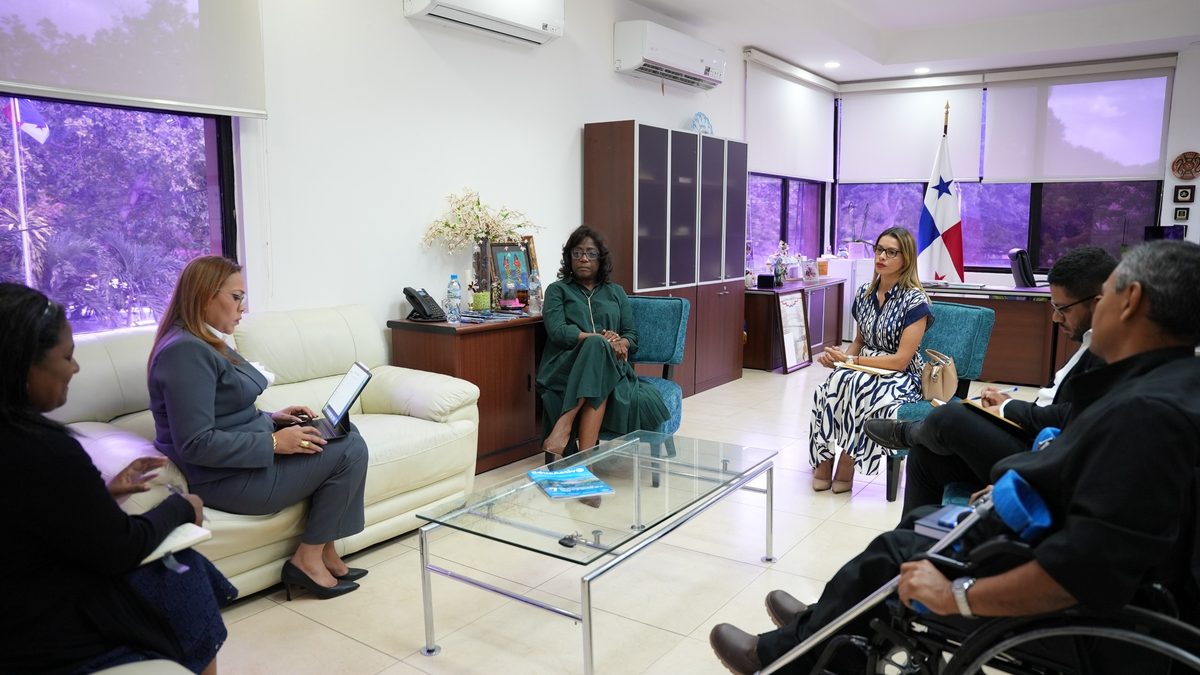
Panama’s INADEH, ITSE and MEDUCA are working to strengthen technical training across the country with the aim of making it a direct driver of economic growth.
The effort brings together three institutions tied to workforce preparation and education, reflecting a growing focus on skills-based training as Panama looks to support productivity, employment and long-term development.
Why It Matters
Technical education has become increasingly important in economies that need workers prepared for industry, logistics, construction, services and emerging technologies. In Panama, where the canal, trade, transport and service sectors play major roles, stronger technical training can help match education with labor market needs.
By aligning INADEH, ITSE and MEDUCA, the country is signaling a coordinated approach to training that can reach students, workers and job seekers at different stages of their education and careers.
Broader Context
INADEH is known for vocational and labor training, ITSE focuses on higher technical education, and MEDUCA oversees the public education system. Working together, these institutions can help create clearer pathways from school to technical careers and from training to employment.
The push also reflects a broader regional trend in which governments are investing more in technical and professional education to improve competitiveness and support economic resilience.
What This Means for Panama
If coordinated effectively, the initiative could help expand access to practical training, strengthen job readiness and support sectors that depend on specialized skills. It also places technical formation at the center of national development strategy, rather than treating it as a secondary track.
For Panama, the focus on technical education could help connect classroom learning with the demands of the country’s economy and create more opportunities for future workers.