
What Happened
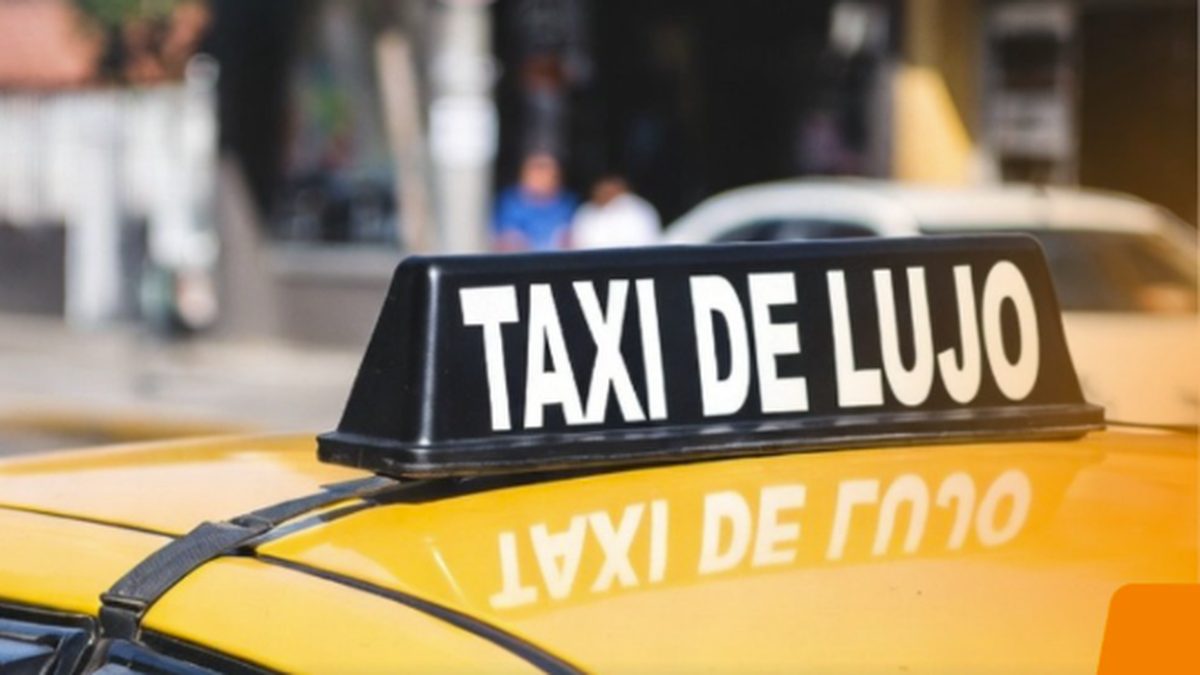
Panama has moved to regulate ride-hailing services such as Uber and inDrive under a new category called “Taxi de Lujo” or TL. The measure establishes a formal framework for digital transport platforms operating in the country and sets out requirements for drivers who want to participate.
The new rules are part of a 2026 decree designed to bring app-based transportation into Panama’s broader taxi system. The change is expected to affect how drivers register, how vehicles are authorized, and how the platforms operate in relation to local transport regulations.
How the New Taxi de Lujo System Works
Under the TL model, drivers using digital platforms would need to meet specific conditions to operate legally. The decree outlines who may apply and introduces new obligations tied to this transport category.
The reform places services such as Uber and inDrive within a regulated structure instead of leaving them outside the traditional system. That shift gives the government a clearer framework to supervise platform-based transport while also defining a distinct role for luxury taxi service in Panama.
Why the Measure Matters
The decision has implications for thousands of people who rely on ride-hailing apps for income and daily transportation. By creating a formal category, Panama is drawing a clearer line between conventional taxis and app-based drivers, a step that could reshape competition in the urban transport market.
For passengers, the move may affect availability, pricing, and the types of vehicles offered through digital platforms. For drivers, it means adapting to a new regulatory environment that could determine who is allowed to continue working under these services.
Background and Broader Context
Ride-hailing platforms have transformed urban mobility across Latin America, often creating tension with existing taxi systems. Panama’s decision reflects a broader regional effort to update transport rules to match the growth of app-based services.
By formalizing the Taxi de Lujo category, the country is attempting to balance innovation with regulation. The outcome will likely influence the future of digital transport in Panama, especially in major urban areas where these services are widely used.