
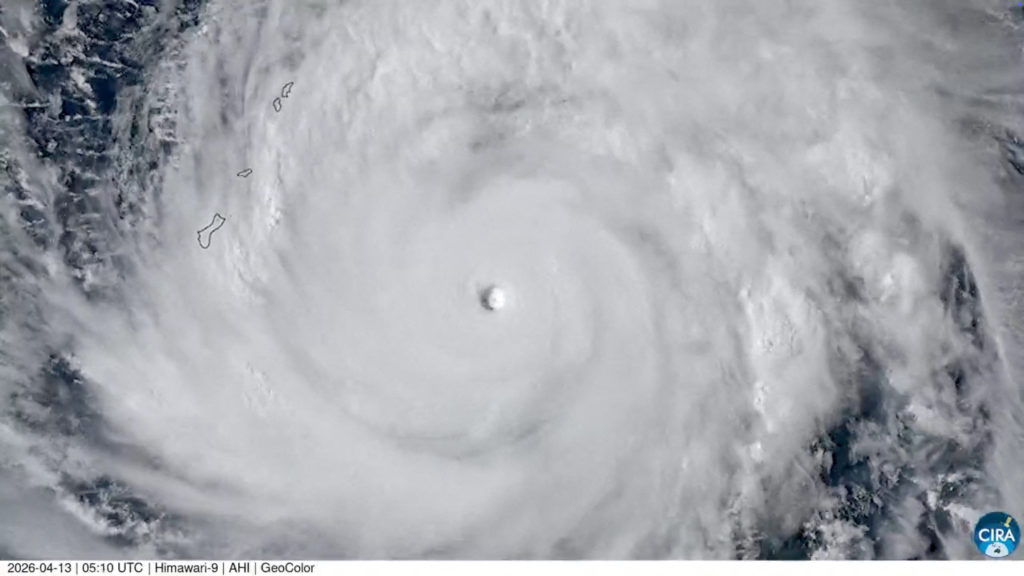
Super Typhoon Sinlaku lashed the Northern Mariana Islands for hours before daybreak Wednesday, bringing ferocious winds and threatening further damage across Tinian and Saipan, where nearly 50,000 people live. The storm’s prolonged assault put the remote U.S. territory in the Pacific on alert as officials and residents faced one of the region’s most serious weather threats in recent memory.
What Happened
Sinlaku struck the Northern Mariana Islands with sustained force through the early morning hours, slowing as it moved across the islands and intensifying the impact on populated areas. Tinian and Saipan were the main focus of the storm’s path, with the system delivering powerful winds for an extended period rather than a brief pass-through.
The Northern Mariana Islands are a U.S. commonwealth in the western Pacific, and their exposed geography makes them vulnerable to strong tropical cyclones. When storms stall or slow near the islands, the risk rises sharply for wind damage, downed power lines, damaged roofs, flooding, and disrupted communications.
Background
Super typhoons are the most intense category of tropical cyclones in the western Pacific, comparable in strength to the strongest Atlantic hurricanes. The Northern Mariana Islands sit in a part of the Pacific frequently exposed to dangerous storm systems during typhoon season, but the combination of high intensity and slow movement can make a storm far more destructive than its size alone suggests.
Saipan, the largest island and the commonwealth’s main population center, is home to much of the territory’s population, while Tinian is a smaller but still significant community nearby. Because these islands are relatively isolated, major storms can strain emergency response efforts, especially if transport routes, ports, or electrical infrastructure are damaged.
Pacific island communities have faced increasing concern over severe weather events that can arrive with little warning and leave lasting damage. In areas with limited landmass and infrastructure, even a single typhoon can affect housing, power supply, water systems, schools, and critical services for days or longer.
Why It Matters
Sinlaku’s strike underscores the growing vulnerability of island territories in the Pacific to extreme weather, especially as powerful storms threaten densely populated coastal zones and remote communities with limited backup infrastructure. For U.S. territories such as the Northern Mariana Islands, the stakes include not only immediate safety but also the resilience of transportation links and supply chains that keep communities functioning after a disaster.
Although the storm is far from Panama, events like this matter to readers in Latin America because they reflect the wider regional threat posed by stronger tropical systems and the increasing importance of disaster preparedness across ocean basins. Pacific and Caribbean islands alike face similar challenges: vulnerable coastlines, exposed utilities, and limited capacity to absorb prolonged hits from major storms.
The typhoon also highlights how climate-driven extremes can test emergency response systems in small jurisdictions. As destructive storms become more disruptive, governments in island regions are under pressure to invest in stronger infrastructure, more reliable early warning systems, and faster recovery planning.