
What Happened
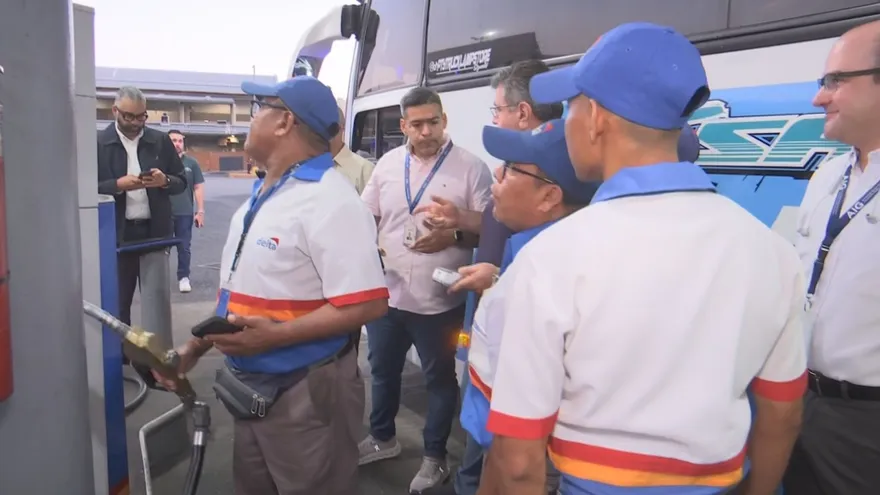
The sale of fuel with a subsidy has begun for transport operators in Panama, offering a direct measure aimed at easing operating costs in a sector highly sensitive to fuel prices. The initiative is designed to support those who provide daily passenger and freight transport services across the country.
Fuel costs are one of the largest expenses for transport businesses, and changes at the pump can quickly affect fares, service frequency, and profitability. By lowering part of that burden, the subsidy seeks to help keep transportation services running and more financially stable for operators.
Why It Matters
Transport in Panama plays a central role in the movement of people and goods, especially in urban centers and along commercial routes. Any measure that reduces fuel pressure can have a broader impact on households, businesses, and supply chains that depend on reliable ground transportation.
For many operators, subsidized fuel can provide breathing room during a period of elevated costs, helping them maintain service without immediately passing the full burden on to passengers or clients. The move also reflects the government’s continued use of targeted support to ease economic strain in essential sectors.
Broader Context
Fuel subsidies have long been used in Panama as a policy tool to soften the effects of international energy price swings and domestic cost pressures. When applied to transport workers, these measures are often framed as a way to protect mobility, preserve jobs, and stabilize everyday commerce.
The start of subsidized fuel sales comes at a time when transport remains a politically and economically important issue in Panama. Decisions affecting fuel access often draw close attention because of their direct effect on public transportation, freight movement, and the cost of living.
What to Watch
The key question now is how effectively the subsidy reaches transport operators and whether it helps reduce pressure on service providers in the short term. The measure’s impact will depend on how it is administered and how transport businesses respond to the lower fuel cost.
As the program gets underway, its practical effect on fares, service stability, and operating margins will be closely watched by both operators and passengers throughout Panama.