
What Happened
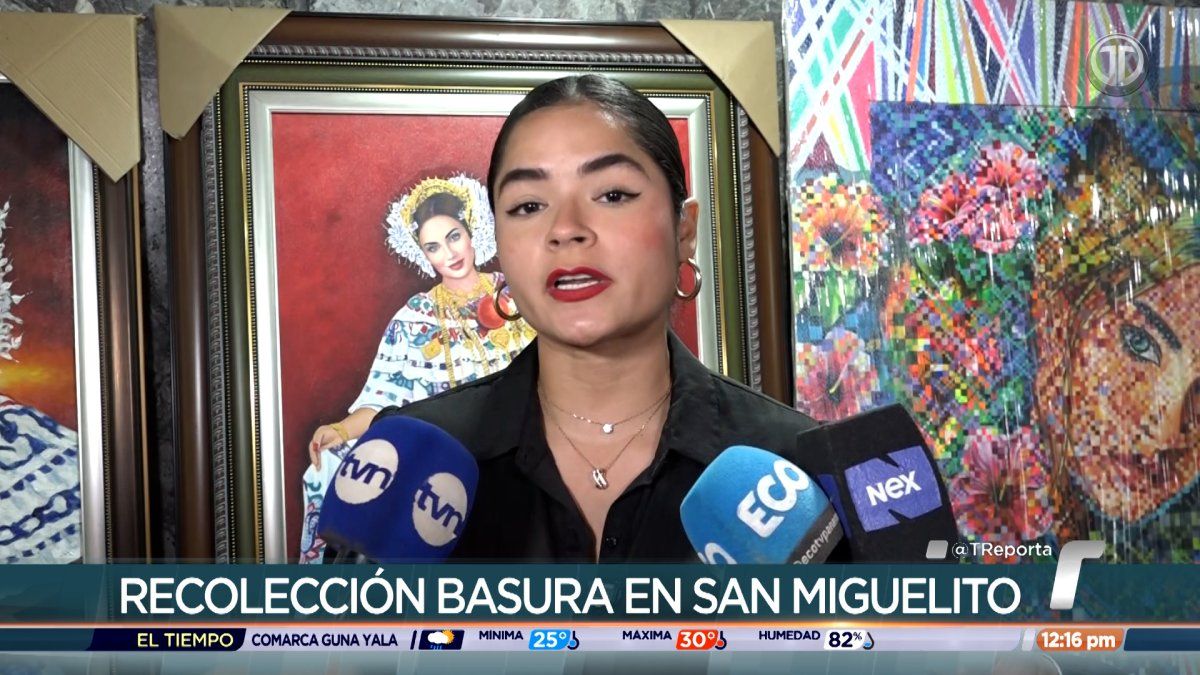
San Miguelito Mayor Irma Hernández said the municipality has received backing from the Office of the Attorney General for the Administration after filing a lawsuit seeking to nullify a resolution from the board of the Urban and Household Waste Authority of Panama (AAUD). The disputed measure transferred control of waste collection services and the charging of the sanitation fee to the AAUD.
Hernández argued that the decision is illegal and violates the municipality’s autonomy. Her comments come amid a legal and administrative dispute over who should manage a service that directly affects residents, businesses, and municipal revenues in one of Panama’s most populated districts.
Why the Dispute Matters
Waste collection is one of the most visible public services in any municipality, and control over both operations and fee collection can shape how quickly services are delivered and how funds are administered. For San Miguelito, a district with major urban demand and constant pressure on sanitation services, the issue goes beyond administration and reaches into local governance.
The municipality’s challenge centers on the argument that a central authority should not take over functions that belong to local government. Hernández’s position reflects a broader principle in public administration: municipalities often defend their authority to manage essential services within their own jurisdiction.
Background on the San Miguelito Case
San Miguelito has long faced sanitation challenges, and disputes over who should operate garbage collection are especially significant in areas where service failures quickly affect daily life. The case also touches on the sanitation fee, a payment tied to waste collection and municipal service delivery.
By contesting the AAUD resolution in court, the municipality is seeking to reverse a decision it says exceeds the authority of the central waste agency. The legal and institutional outcome could influence how similar service responsibilities are handled in other parts of the country.
What Comes Next
The Attorney General for the Administration’s stance strengthens the municipality’s argument as the case moves forward. The dispute now underscores the tension between centralized service management and local autonomy in Panama’s public sector.
For residents, the immediate concern remains whether waste collection and billing will continue under a system that is stable, lawful, and effective. The resolution of the case could have lasting implications for municipal authority and the organization of essential urban services.