
What Happened
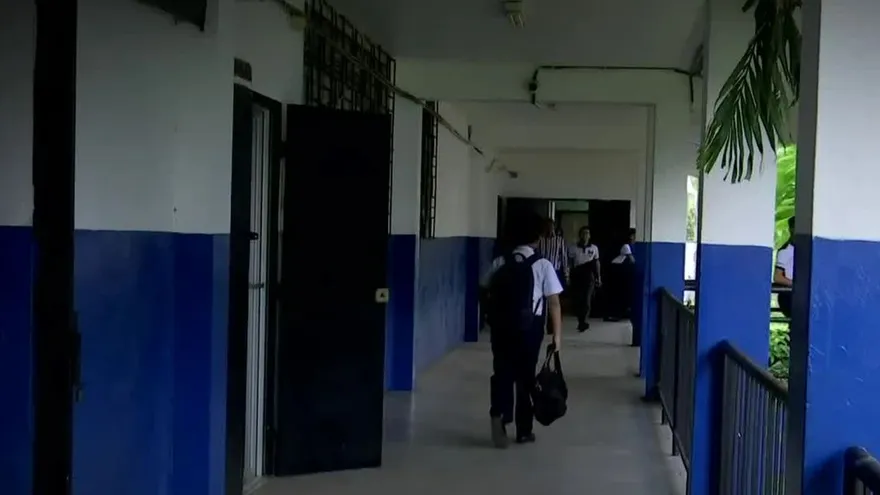
Schools in San Miguelito are strengthening security measures as part of an initiative that already reaches about 16 school campuses. The effort aims to coordinate authorities and education communities to reduce the risk that children and teenagers are drawn into criminal networks linked to drugs.
The move reflects growing concern in one of Panama’s most populated districts, where school safety has become a shared priority for educators, parents, and local officials.
How the Plan Works
The initiative brings together public authorities and school communities to support prevention inside and around school grounds. The focus is on early intervention, greater vigilance, and closer coordination so students are less exposed to recruitment by criminal structures.
By involving multiple actors, the plan seeks to create a stronger protective environment around schools and to reinforce the role of education centers as safe spaces for children and adolescents.
Why It Matters
San Miguelito has long faced social pressures associated with crime and vulnerability among young people. Measures like these are aimed not only at protecting students during the school day, but also at reducing the broader risk of gang and drug-related influence in surrounding neighborhoods.
In Panama, prevention strategies in schools are often seen as an important part of the response to organized crime because they target recruitment at an early age. When schools, families, and authorities work together, officials can more effectively identify warning signs and strengthen student protection.
Broader Context
School safety initiatives in Panama increasingly combine security with prevention and community outreach. In districts like San Miguelito, where public schools serve large numbers of children and adolescents, that approach is especially important.
The emphasis on coordination also reflects a wider reality: preventing minors from being pulled into criminal activity requires more than policing alone. Education, family involvement, and community support are central to reducing exposure and keeping students focused on learning.