
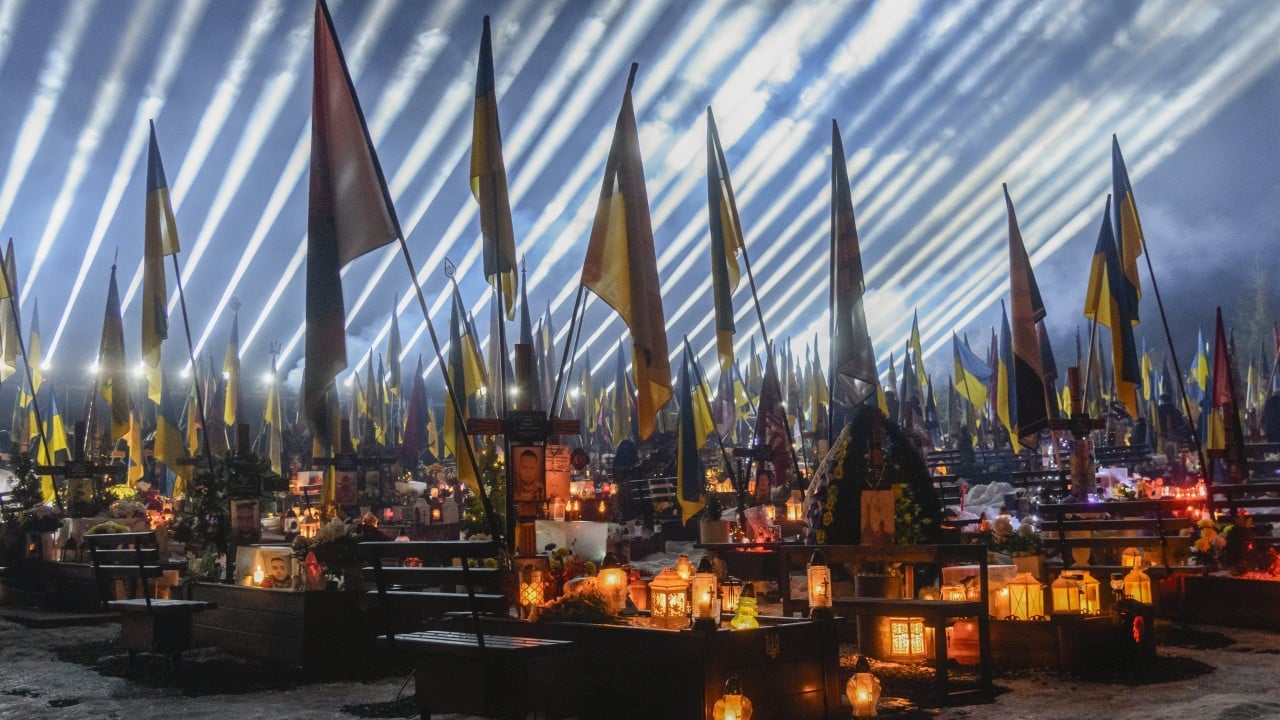
Russia and Ukraine have entered a 32-hour ceasefire timed to Orthodox Easter, offering a brief pause in one of the world’s most destructive conflicts. Kyiv said it would respond immediately to any violation, underscoring the fragility of the truce.
What Happened
The temporary ceasefire took effect on Saturday afternoon and is set to run until the end of Sunday. Russian President Vladimir Putin ordered the truce on Thursday to mark Orthodox Easter, more than a week after Ukrainian President Volodymyr Zelensky first proposed a pause in the fighting. Both sides said they would observe the stop in hostilities.
The announcement comes after more than three years of war, during which front-line battles, missile strikes and drone attacks have continued despite repeated calls for de-escalation. The Easter truce is one of the shorter pauses attempted since the full-scale invasion began in 2022.
Background
Religious holidays have occasionally been used as diplomatic openings in the war, but they have rarely produced lasting calm. Easter in the Orthodox Christian calendar is a significant observance in both Russia and Ukraine, where it carries strong cultural and political symbolism as well as religious meaning.
Zelensky’s earlier proposal for a ceasefire reflected Kyiv’s broader effort to keep international pressure focused on Moscow while also testing whether a limited humanitarian pause could hold. Russia’s decision to match the gesture came at a time when the war remains at a stalemate in several areas, with neither side showing readiness to accept a long-term settlement on the other’s terms.
Temporary truces in major conflicts are often difficult to enforce because of the speed of battlefield operations, the risk of miscommunication and the possibility that either side may accuse the other of exploiting the pause. Even short ceasefires can nevertheless allow for the movement of civilians, limited aid delivery and a reduction in immediate casualties.
Why It Matters
Although the truce is brief, it offers a small window into whether both sides are willing to test restraint after months of intense fighting. Any violation could quickly deepen mistrust and reinforce the view that ceasefires are being used for political signaling rather than genuine de-escalation.
The war continues to have global consequences through energy markets, food exports, sanctions, defense spending and diplomatic realignments. For Latin America, the conflict has also mattered indirectly through higher commodity prices, pressure on food supplies and the broader impact of global instability on trade and inflation.
For Panama, which depends heavily on international shipping and a stable global trading system, any escalation that disrupts energy or commodity flows can ripple through supply chains and transport costs. Even a short-lived truce is closely watched because developments in Eastern Europe can still affect markets and policy far beyond the battlefield.
As the ceasefire runs through Orthodox Easter, the key question is whether both sides will limit military activity long enough to make the pause meaningful, or whether the truce will collapse under the weight of mutual accusations and ongoing combat.