
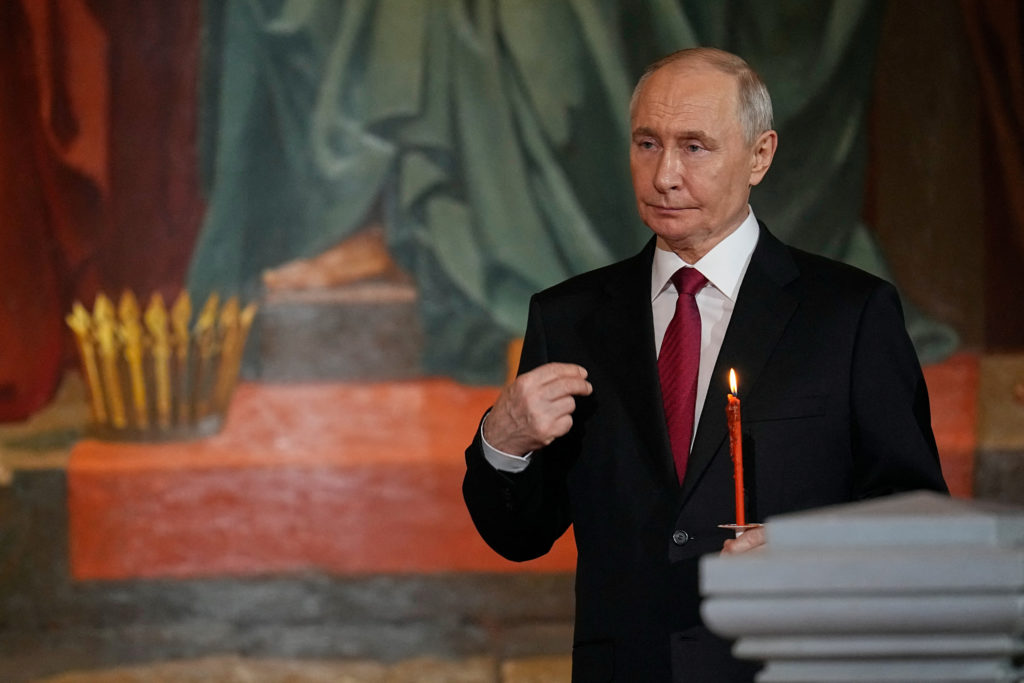
Russia and Ukraine accused each other of breaking a Kremlin-declared Easter ceasefire on Sunday, underscoring how fragile even brief pauses in the war have become as Orthodox Christians marked the holiday.
What Happened
The ceasefire was announced by the Kremlin for Easter Sunday, a day when Orthodox Christians in Russia, Ukraine and elsewhere celebrate one of the most important dates in the religious calendar. Within hours, both sides said the other had violated the truce, reinforcing the deep mistrust that has defined the conflict since Russia launched its full-scale invasion of Ukraine in February 2022.
Neither side’s accusations changed the broader reality on the ground: the war remained active, and the holiday truce did not appear to halt the fighting in any lasting way. The exchange of blame highlighted the continuing difficulty of securing even temporary humanitarian pauses in a conflict now deeply entrenched across eastern and southern Ukraine.
Background
Russia’s war against Ukraine has become Europe’s largest and deadliest conflict since World War II. Ceasefires have repeatedly been proposed, declared, broken or rejected over the course of the war, often serving as short-lived gestures rather than durable steps toward de-escalation. Religious holidays have occasionally been used as windows for possible pauses in fighting, but those efforts have rarely produced sustained calm.
Easter carries particular symbolic weight in Orthodox-majority Russia and in Ukraine, where religious tradition remains a powerful part of national identity. But symbolism has done little to bridge the gulf between the two governments, which remain locked in a war with no comprehensive peace settlement in sight. Previous attempts at temporary truces have often collapsed amid mutual accusations of shelling, drone strikes or attacks along the front lines.
The war has also reshaped European security and global diplomacy. It has driven sanctions, weapons transfers, refugee flows and repeated warnings from international leaders about the risk of escalation. Any ceasefire announcement, even one as limited as a holiday pause, is therefore watched closely for signs of whether it could lead to broader talks or simply become another episode in the conflict’s pattern of competing claims.
Why It Matters
This latest exchange matters because it shows how little trust exists between Moscow and Kyiv, even when both sides have strong incentives to project restraint during a major religious holiday. A breakdown in a short truce suggests that efforts to create humanitarian breathing room remain precarious, with consequences for civilians caught near the fighting.
For Panama and Latin America, the war’s significance is indirect but real. The conflict has helped shape global energy and food prices, influenced shipping and sanctions policy, and affected international diplomacy far beyond Europe. Prolonged instability in Ukraine also keeps pressure on global markets and on the broader international order, which has knock-on effects for import-dependent economies across the hemisphere.
Any sign that the war remains unresolved also matters for governments watching how major powers manage conflict and ceasefire diplomacy. A failed holiday truce is a reminder that the path to negotiations remains narrow, and that the war continues to carry geopolitical consequences well beyond the battlefield.