
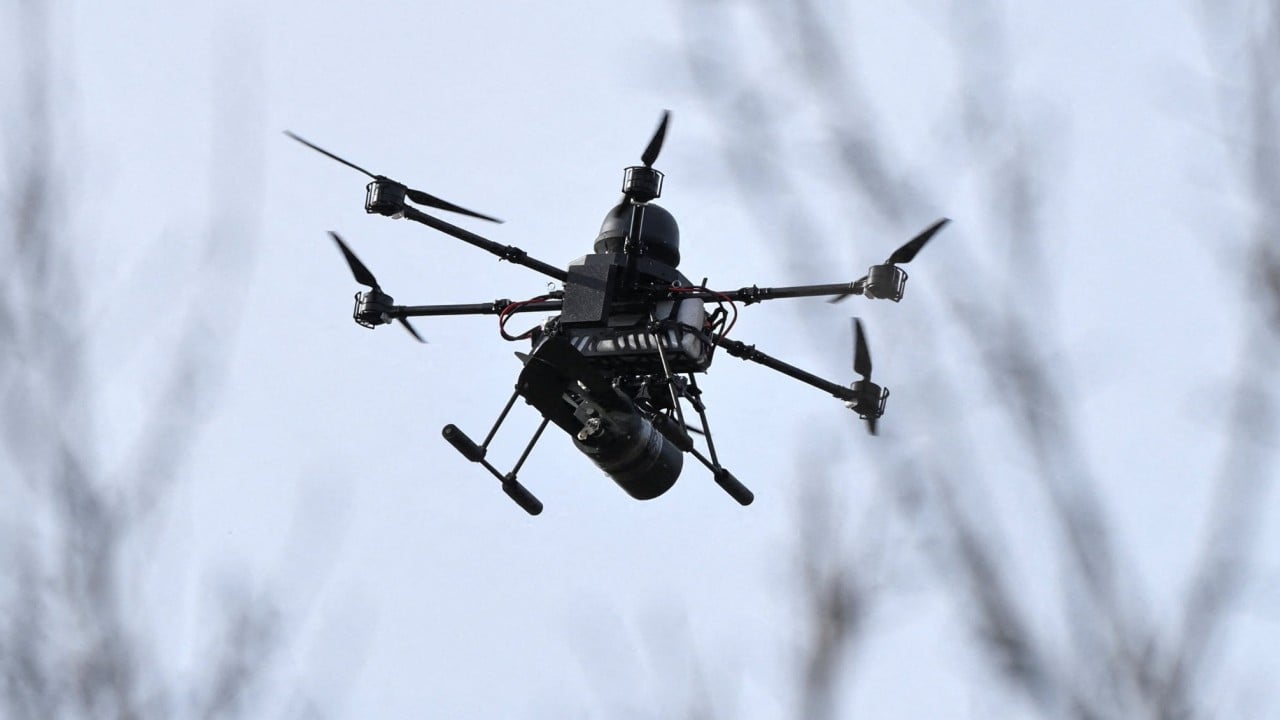
Russia has protested a proposed investment by a Japanese company in a Ukrainian drone maker, a move that reflects Moscow’s concern over deeper Japan-Ukraine cooperation in defence technology and the possibility that Tokyo could eventually loosen restrictions on weapon exports.
What Happened
Russian Deputy Foreign Minister Andrey Rudenko formally raised Moscow’s objection during a meeting with Japanese Ambassador Akira Muto in Moscow on Wednesday. The diplomatic protest centered on a planned investment by a Japanese firm in a Ukrainian company that makes drones, an industry now closely tied to modern warfare and battlefield logistics.
Japan’s ambassador rejected the protest, underscoring that Tokyo does not accept Moscow’s framing of the deal. The exchange comes at a time when Russia is closely watching any foreign support for Ukraine’s defence industry, including partnerships that could strengthen Kyiv’s ability to produce unmanned aerial systems.
The concern in Moscow is not limited to one business transaction. The protest also appears to reflect unease about what the investment could signal politically: a gradual shift by Japan toward closer alignment with Ukraine’s war effort and, possibly, a broader reconsideration of Japan’s postwar limits on weapons exports.
Background
Japan has long maintained strict controls on arms exports rooted in its post-World War II pacifist policy. While those rules have been eased in recent years, they still constrain the country’s ability to sell weapons abroad or participate freely in defence-industrial cooperation. Any move toward deeper ties with Ukraine’s military supply chain is therefore politically sensitive, especially for a country that has traditionally avoided direct involvement in foreign conflicts.
Ukraine’s drone sector has become strategically important since Russia’s full-scale invasion, with unmanned systems playing a central role in reconnaissance, strikes, and battlefield adaptation. Foreign investment in that sector can carry both commercial and military implications, even when framed as an industrial or technology partnership.
Relations between Japan and Russia have deteriorated sharply since the invasion began in 2022. Tokyo joined Western sanctions against Moscow and has backed Ukraine diplomatically and financially. In response, Russia has treated a wide range of Japanese actions as unfriendly, from sanctions policy to symbolic gestures of support for Kyiv.
The dispute also fits a wider pattern of heightened scrutiny over defence ties involving Ukraine. Governments and companies across Europe, North America, and Asia have been reassessing how to support Ukraine’s military production without crossing legal or political lines in their own countries.
Why It Matters
The protest highlights how the war in Ukraine continues to reshape international defence politics far beyond Europe. Even a proposed private-sector investment can trigger a diplomatic response when it touches battlefield technology and the future of weapons trade policy.
For Japan, the issue carries significance well beyond the immediate deal. Any expansion of support for Ukraine’s defence industry could become part of a broader debate in Tokyo about how far the country should go in loosening export restrictions and aligning with Western security priorities. That debate is likely to draw attention across Asia, where military partnerships and arms controls remain politically sensitive.
For Russia, challenging the investment is a way of signaling that it views such ties as hostile, not neutral. The reaction also shows how Moscow seeks to deter third countries from strengthening Ukraine’s industrial base, whether through direct military aid or financial participation in defence production.
For readers in Panama and Latin America, the story matters as another sign of how the war’s economic and diplomatic effects continue to spread globally. Shifts in arms policy, sanctions, and supply-chain cooperation among major economies can influence international trade norms and the broader geopolitical environment that affects the region’s foreign relations and economic outlook.