
What Happened
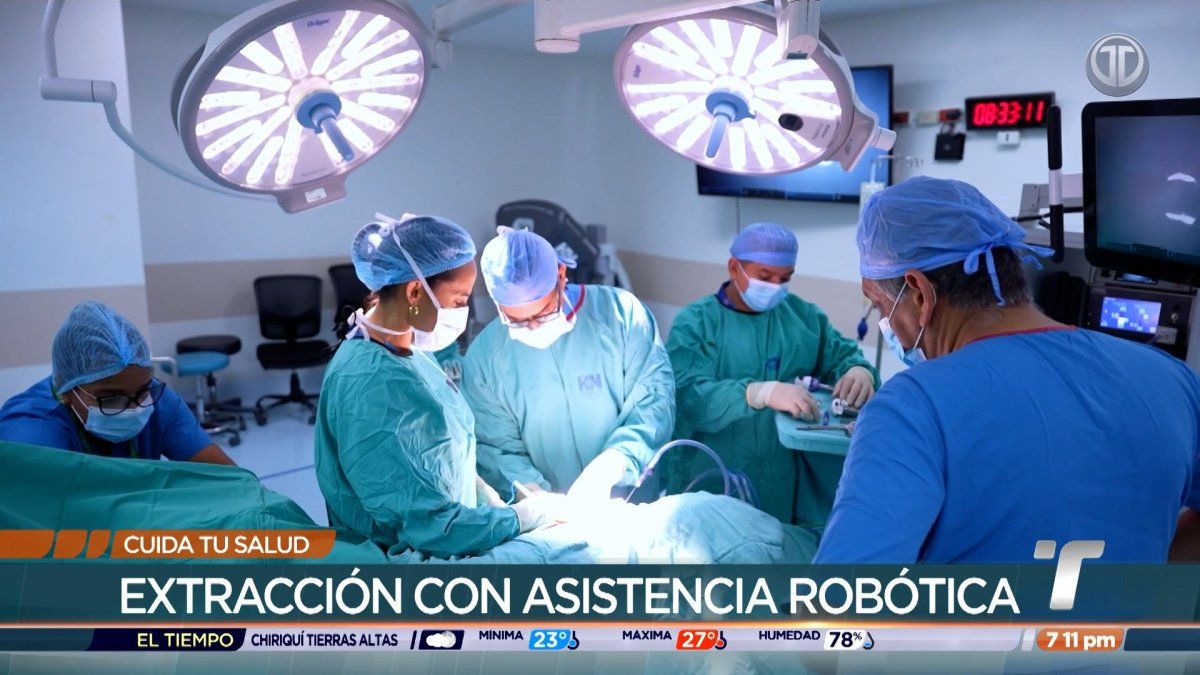
National Hospital is highlighting its role as a pioneer in kidney transplantation with robot-assisted renal extraction, a technique it has used for 14 years. The approach is part of a carefully prepared transplant process that begins with detailed evaluations of both the donor and the recipient.
Before any procedure moves forward, special tests are used to confirm compatibility between the two people involved. That preparation is central to the transplant process and helps ensure the operation is carried out under the right medical conditions.
Why It Matters
Robot-assisted surgery has become an important tool in modern medicine because it can support precise surgical work. In kidney transplantation, that precision is especially valuable during donor kidney extraction, where careful handling is essential.
The use of robotic assistance also reflects how advanced surgical technology is becoming part of specialized care in Panama. For patients and donors, transplant procedures require coordination, testing, and medical expertise at every stage, from initial evaluation to surgery and recovery.
Background on Kidney Transplant Care
Kidney transplants depend on compatibility checks to reduce the risk of rejection and to improve the chances of success. That is why transplant teams place strong emphasis on medical testing before surgery. The process is not limited to the operation itself; it includes selection, evaluation, and confirmation that the donor and recipient can proceed safely.
National Hospital’s experience over more than a decade shows how surgical innovation and transplant medicine can work together in Panama’s health system. The continued use of robotic assistance underscores the hospital’s long-standing role in this specialized field.
What This Means for Patients
For people facing kidney disease, transplant programs offer an important path toward treatment when other options are no longer enough. The combination of careful donor-recipient assessment and robotic support in surgery can help strengthen confidence in the transplant process.
As advanced surgical techniques become more common, hospitals that adopt them can expand the capabilities of specialist care in Panama. In this case, the focus remains on precision, preparation, and the long-term success of kidney transplantation.