
What Happened
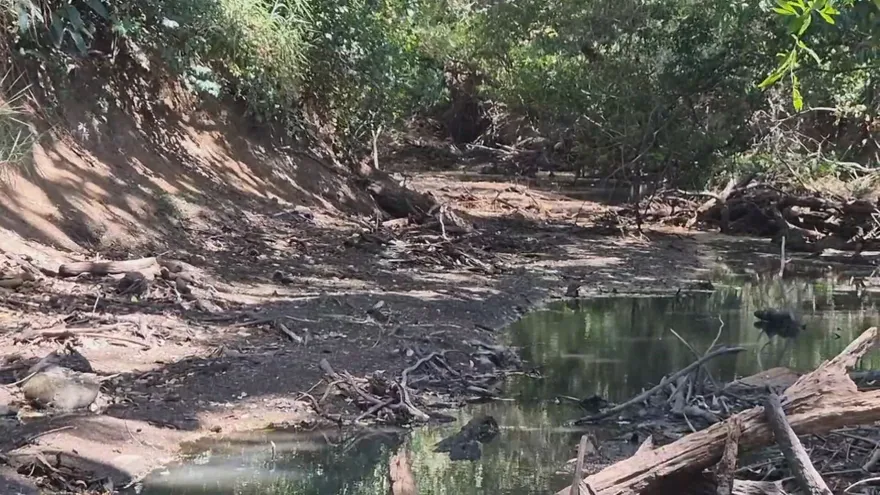
Authorities in Panama are watching closely as the flow of the Grande, Chico and Antón rivers declines, raising concern about water supply in the affected basins. The reduction comes as demand for water remains high and conditions linked to a climate transition are increasing evaporation and lowering the availability of the resource.
The situation has put pressure on local water management in Coclé, where these rivers are important for communities and economic activity. The lower flow is fueling concern about whether supply can keep pace with consumption, especially in areas that depend on surface water sources.
Why the Drop Matters
River levels are a key indicator for drinking water availability, agriculture and other daily uses. When flows fall, the margin of safety shrinks for households, businesses and public systems that depend on steady access to water. In Panama, where seasonal changes can quickly affect river conditions, reduced flow can become a wider supply challenge if dry conditions persist.
The current decline is especially relevant because it is happening during a period of higher evaporation. That combination can speed up water loss from the basin and make it harder for rivers to recover quickly, increasing the strain on local authorities responsible for monitoring and planning water use.
Broader Context
Water security has become an increasingly important issue across Panama as climate variability affects rainfall patterns and river behavior. For communities in Coclé, the condition of rivers such as the Grande, Chico and Antón is not just an environmental concern but also a public service issue tied to daily life and regional development.
As demand rises, the pressure on these basins underscores the need for careful management of the available supply. That includes monitoring river flows, protecting watershed conditions and preparing for periods when natural replenishment is weaker than normal.
What This Means
The drop in river flow serves as an early warning for possible water stress if the trend continues. It also highlights how closely Panama’s water systems are tied to weather and climate conditions. For residents and local institutions in Coclé, the focus now is on preserving supply and reducing the risk of shortages in the most affected areas.