
What Happened
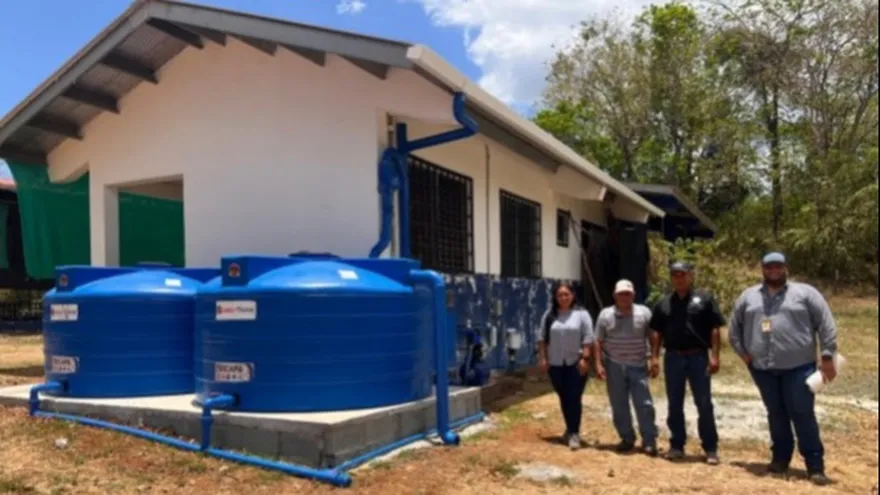
The Ministry of Environment has installed rainwater harvesting systems in Los Santos as part of an effort to strengthen water resilience in Azuero, a region that has been heavily affected by climate variability and long dry periods.
The initiative is aimed at helping communities cope with recurring water stress by capturing and storing rainwater for later use. In an area where drought conditions can put pressure on households, farms, and local services, these systems offer a practical way to make better use of rainfall when it is available.
Why It Matters for Azuero
Azuero has become one of the most vulnerable parts of Panama when it comes to water scarcity. Prolonged dry spells and changing weather patterns have increased concern about the reliability of water supplies in Los Santos and nearby areas.
Projects like these are part of a broader push to improve adaptation to climate conditions in the country’s interior. By building local capacity to store water, authorities are seeking to reduce the impact of seasonal shortages and support more stable access to this essential resource.
Broader Climate Context
Panama has faced growing pressure from climate variability in recent years, with communities in drier regions feeling the effects most sharply. Water harvesting systems are increasingly seen as a useful tool in resilience planning because they can complement existing supply networks and help households prepare for dry periods.
In Los Santos, the installation reflects a response focused on prevention rather than emergency reaction. Measures that improve water storage and local management can be especially important in places where rainfall is not evenly distributed throughout the year.
What This Means for Residents
For residents of the region, the systems may help reduce dependence on irregular water availability during the driest months. They also reinforce the idea that adaptation to climate change in Panama is not limited to large infrastructure projects, but can include community-level solutions designed to improve day-to-day resilience.
The effort in Los Santos adds to the conversation about how Panama can protect rural communities from the effects of drought while planning for a future shaped by more unpredictable weather.