
What Happened
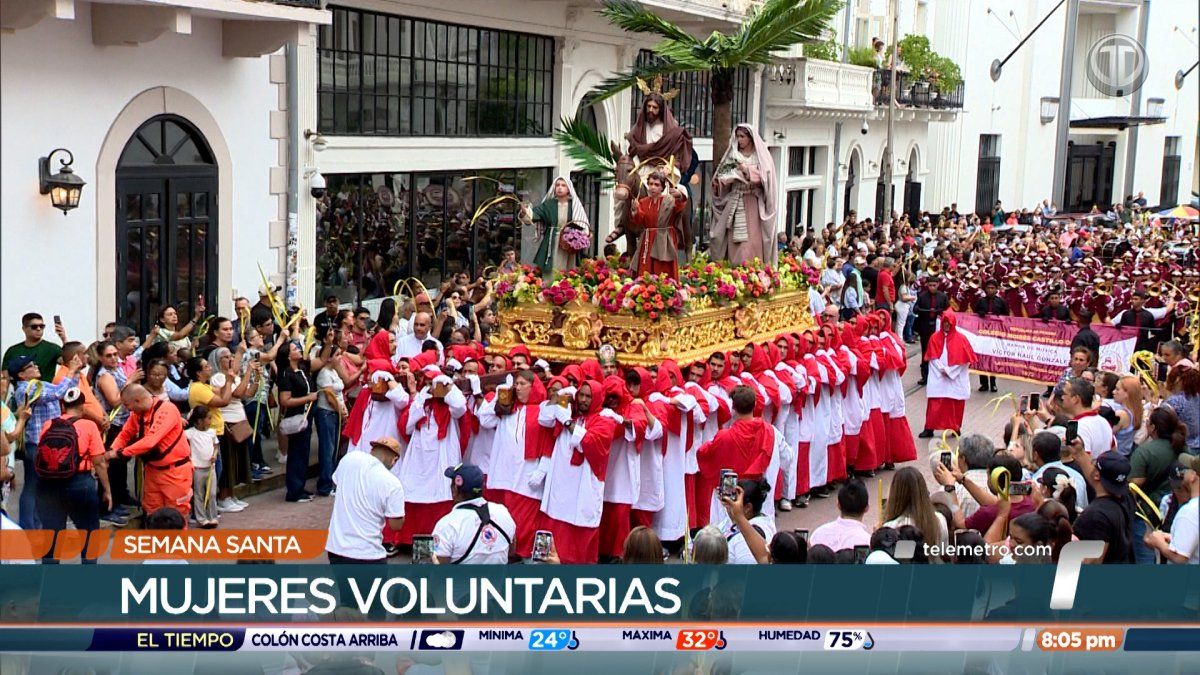
Organizers in Panama City’s historic Casco Antiguo are preparing around 1,000 tunics that will be used by participants in the district’s Semana Santa (Holy Week) processions. The work requires coordination weeks in advance and draws on the support of community volunteers to ensure the garments are ready for the ceremonies.
Preparations and Volunteers
The preparation effort is a sustained logistical undertaking. Volunteers help with tasks that must be completed well before the processions begin, allowing cofradías (religious brotherhoods) and participants time to receive, try on, and collect the tunics. Organizers emphasize that the activity is collaborative, relying on local commitment to meet the scale of the need.
Each set of tunics is prepared with attention to the specific details and elements that distinguish one cofradía from another. While the exact distinguishing features vary, the preparation process aims to respect the traditions and identities of the different brotherhoods that take part in Casco Antiguo’s Holy Week rites.
Background
Semana Santa processions are an entrenched part of religious and cultural life in many Panamanian communities, and Casco Antiguo’s celebrations draw both local participants and visitors. The district’s colonial streets and historic plazas provide the setting for processions that depend on careful planning and community involvement. Preparing tunics and other ceremonial items ahead of time is a routine but essential part of preserving the rhythm of those public observances.
What This Means
The large-scale preparation of tunics highlights several ongoing themes for Casco Antiguo: the importance of volunteerism in sustaining traditional events, the role of local organizations in coordinating complex logistics, and the continued cultural significance of Semana Santa in Panama City. For residents and participants, the work done in advance ensures processions can proceed smoothly and with respect for the distinct identities of each cofradía.
For visitors and observers, the visible community effort behind the scenes offers a reminder that public rituals depend not only on the ceremonies themselves but also on the labor and coordination that make them possible. As Casco Antiguo moves closer to Holy Week, these preparatory activities set the stage for the district’s time-honored commemorations.