
What Happened
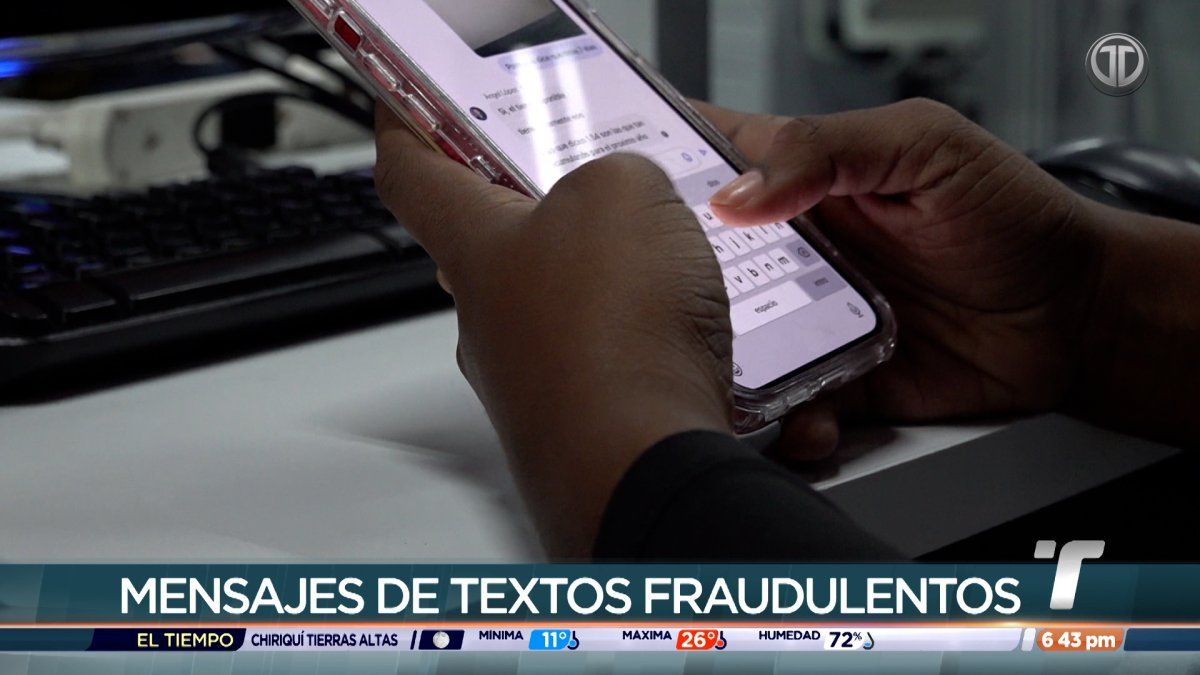
Panamanian outlets are warning about a new wave of fraudulent text messages that claim recipients have outstanding fines from the Autoridad de Tránsito y Transporte Terrestre (ATTT). The messages encourage people to click a link to pay supposed debts. The same scam format has also used the names of ENA and Sertracen to try to lend credibility to the fraud.
How the Scam Works
According to reports, the scam arrives as an SMS notifying the recipient of a pending infraction or unpaid debt and provides a link to make a payment. The link is fraudulent and designed to phish for personal and financial data or to trick users into making payments to criminals. Using the names of well-known institutions—such as the ATTT, ENA and Sertracen—helps the messages appear legitimate and may increase the likelihood that recipients will follow the instructions.
What Institutions Are Affected
The warnings specifically identify the Autoridad de Tránsito y Transporte Terrestre (ATTT) as a name being abused in these texts. Reports also say the fraudsters have invoked ENA and Sertracen. There is no indication in the reporting that these institutions are sending the messages; rather their names are being misused by scammers.
How to Protect Yourself
Experts advise treating unsolicited messages about fines or debts with caution. Do not click links or provide personal information in response to unexpected SMS messages. Verify any claim through official channels before taking action—visit the institution’s official website, call published contact numbers, or consult in person at official offices. Keep your mobile device and apps updated, monitor bank and card statements for unauthorized transactions, and consider reporting suspicious messages to the institution named in the text and to appropriate national authorities.
Why This Matters
Phishing campaigns that exploit trusted institutions can trick many people into giving away sensitive information or making payments to fraudsters. Because transport and licensing bodies regularly communicate about fines and fees, scammers impersonating these organizations can appear especially convincing. Public awareness and verification through official channels are key to reducing the effectiveness of these schemes.