
What Happened
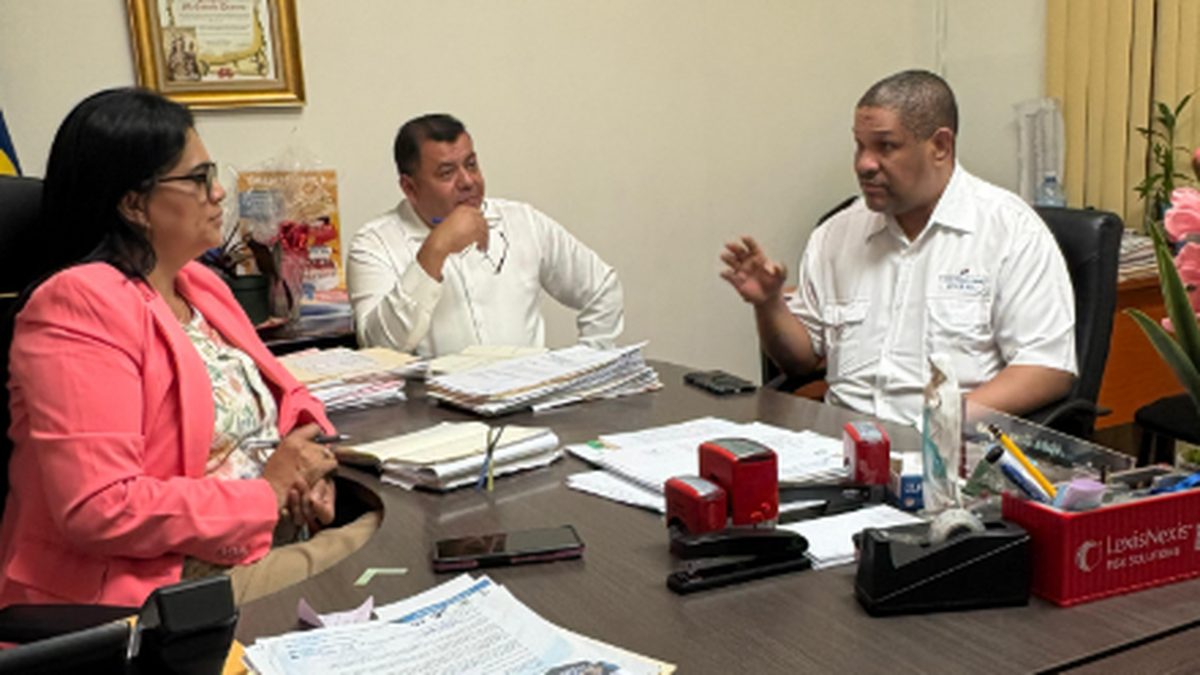
Panama’s student aid system is moving into a new phase of preparation for PASE-U 2026 payments, with IFARHU coordinating closely with MEDUCA to validate enrollment data and reduce errors in beneficiary records.
The process is aimed at speeding up disbursements and ensuring that only students who meet the program requirements are included in the payment lists. Record validation is a key step in a program that depends on accurate school enrollment information.
Why the Validation Matters
PASE-U is one of Panama’s best-known education assistance programs, helping families cover school-related costs tied to students’ attendance and enrollment. Because payments are linked to official educational records, even small data mismatches can delay disbursements or create problems for beneficiaries.
By working together, IFARHU and MEDUCA are focusing on cleaner data before payments move forward. That coordination is especially important in programs that serve large numbers of students across the country and rely on timely verification from schools and education authorities.
Background on the Payment Process
IFARHU is responsible for managing scholarship and student support programs in Panama, while MEDUCA oversees the public education system and the official school records used to confirm eligibility. When both institutions align their databases, the payment process becomes more efficient and less vulnerable to administrative delays.
In Panama, student aid programs such as PASE-U are closely watched by parents and school communities because they can affect household budgets and school attendance. Any improvement in data validation can help reduce complaints, avoid duplicate records, and make the distribution of funds more orderly.
What This Means for Families
For families waiting on PASE-U funds, the validation stage is a sign that the government is trying to prevent the kinds of errors that can slow payments. A more accurate beneficiary list can help ensure that support reaches the right students and that the process advances with fewer interruptions.
The coordination between the two institutions also highlights the administrative side of education aid in Panama, where digital records and school registration details play a central role in determining who qualifies and when payments can be released.