
What Happened
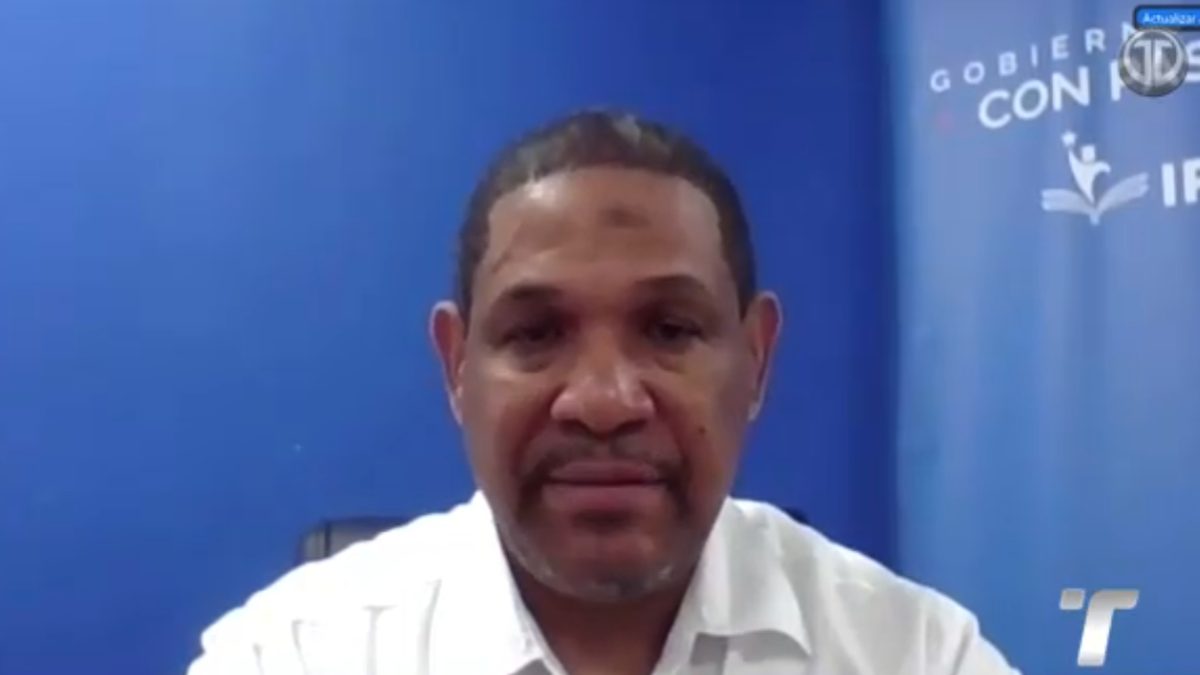
The Institute for the Training and Use of Human Resources is moving forward with verification of PASE-U 2026 beneficiaries and is preparing pilot schools for a new payment system using a card.
The planned change signals a shift in how education assistance could be delivered to students, with the pilot phase serving as the first step before a wider rollout.
Background
PASE-U is one of Panama’s best-known school assistance programs, designed to support students and help families cover education-related costs. The program is closely watched each year because it affects thousands of households across the country.
Verification of beneficiaries is a key part of the process, since it determines who remains eligible to receive the benefit and helps ensure the payments reach the intended students.
What the Card System Could Mean
Introducing card-based payments would modernize the distribution of the benefit and could make access easier for families and schools involved in the program. Pilot schools are typically used to test procedures, identify operational issues, and prepare for a broader implementation.
For Panama’s education system, a move toward a card payment model would place greater emphasis on digital administration and may reduce reliance on older payment methods. The process also reflects ongoing efforts to improve efficiency in public assistance programs.
Why It Matters
Any change in the way PASE-U payments are delivered is important because the program has direct effects on student attendance, school retention, and family planning. As IFARHU advances verification and prepares the pilot phase, students and parents will be watching closely for how the new system works in practice.
The transition to card payments could become a significant update for one of the country’s most widely recognized education support programs, especially if the pilot schools demonstrate that the system can be expanded safely and efficiently.