
What Happened
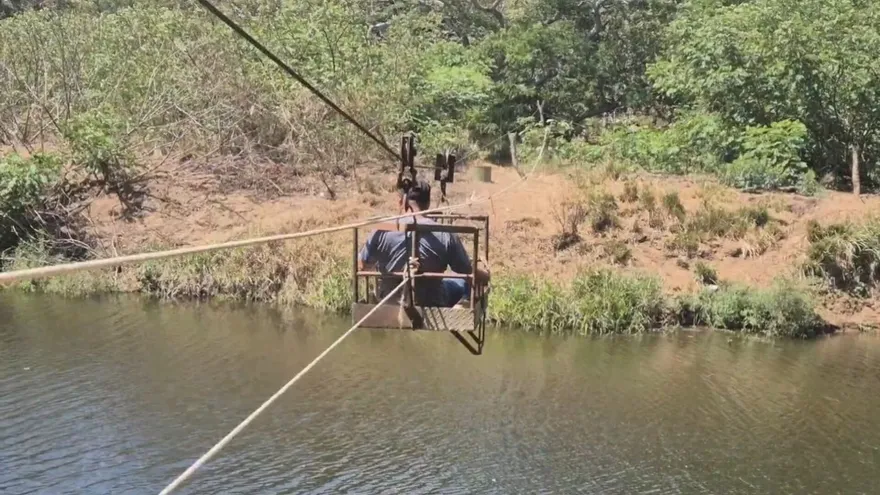
In Parita, residents who depend on a makeshift cart known locally as a “carricoche” cross water every day with extreme caution, aware that a single failure could endanger their lives. The scene reflects a routine that has become part of daily movement for people who need to get from one side to the other.
The improvised crossing is used repeatedly despite the obvious risks. Each trip requires careful balance as people move over the water on the cart, turning an ordinary commute into a potentially dangerous task.
Daily Life Under Risk
For those who rely on the carricoche, the crossing is not an occasional challenge but a constant part of life in Parita. The repeated exposure to danger highlights how essential the route is for residents who have no safer alternative in their daily travel.
The situation underscores the vulnerability of communities that must depend on improvised infrastructure to carry out basic routines. What should be a simple crossing instead demands caution, concentration, and acceptance of risk.
Why It Matters
The carricoche in Parita points to a broader issue of mobility and safety in local communities. When residents must use a precarious passage every day, access to work, school, errands, and health care can become harder and more dangerous than it should be.
Daily crossings like this also illustrate how local transport solutions can fill a gap when permanent infrastructure is not in place. But even when they serve an immediate need, these solutions leave people exposed to hazards that can have serious consequences.
For the families who depend on it, the issue is not simply about convenience. It is about reaching the other side safely and keeping a routine that many others can take for granted.
The Local Reality
Scenes like this are a reminder that in parts of Panama, access to safe transportation can still depend on improvised methods. In Parita, the carricoche remains a daily lifeline, even as it places the people who use it in repeated danger.