
What Happened
Specialists are urging cautious use of credit cards after it was identified that many Panamanians are relying on them to cover everyday financial commitments. The warning centers on a growing habit that can turn a short-term payment tool into a long-term debt burden.
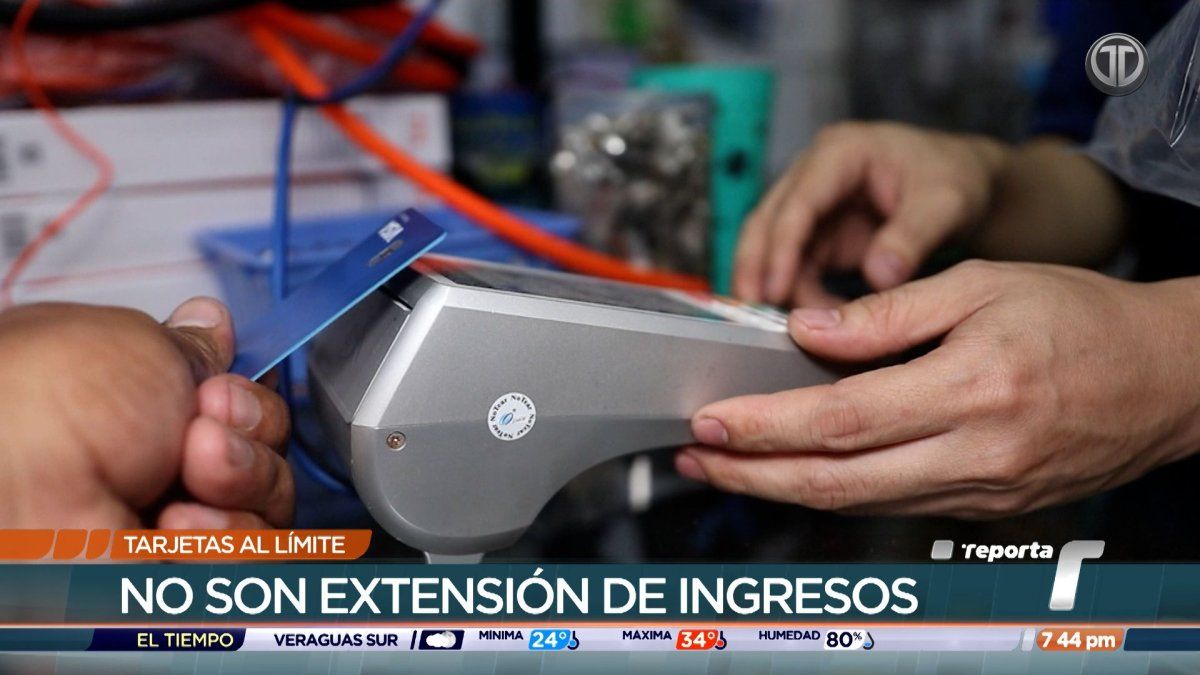
Among the main recommendations are keeping card use below 30% of the assigned credit limit, paying on the statement closing date, and avoiding the mistake of treating the card as if it were an extension of income.
How Responsible Use Works
Credit cards can be useful for planned purchases and emergency expenses, but financial discipline is essential. Staying under a third of the available limit is commonly viewed as a safer practice because it helps preserve room on the card and can reduce the risk of falling behind on payments.
Paying on time is equally important. When cardholders miss due dates or carry balances over time, interest charges can accumulate quickly, making routine expenses more expensive and harder to manage.
Why the Warning Matters
The concern reflects broader pressure on household budgets, where families often turn to credit to bridge gaps between income and expenses. When that happens repeatedly, the debt can grow faster than the ability to repay it, especially if the card is used for basic obligations rather than planned spending.
For consumers, the message is clear: a credit card should function as a payment tool, not as substitute income. Used carefully, it can offer convenience and flexibility. Used without limits, it can weaken personal finances and create a cycle of debt that is difficult to break.
Practical Takeaway
For Panamanians managing tight monthly budgets, the guidance points toward a simple strategy: keep spending controlled, pay balances promptly, and monitor how much of the credit line is in use at any given time. Those habits can help prevent the card from becoming a source of financial strain.