
What Happened
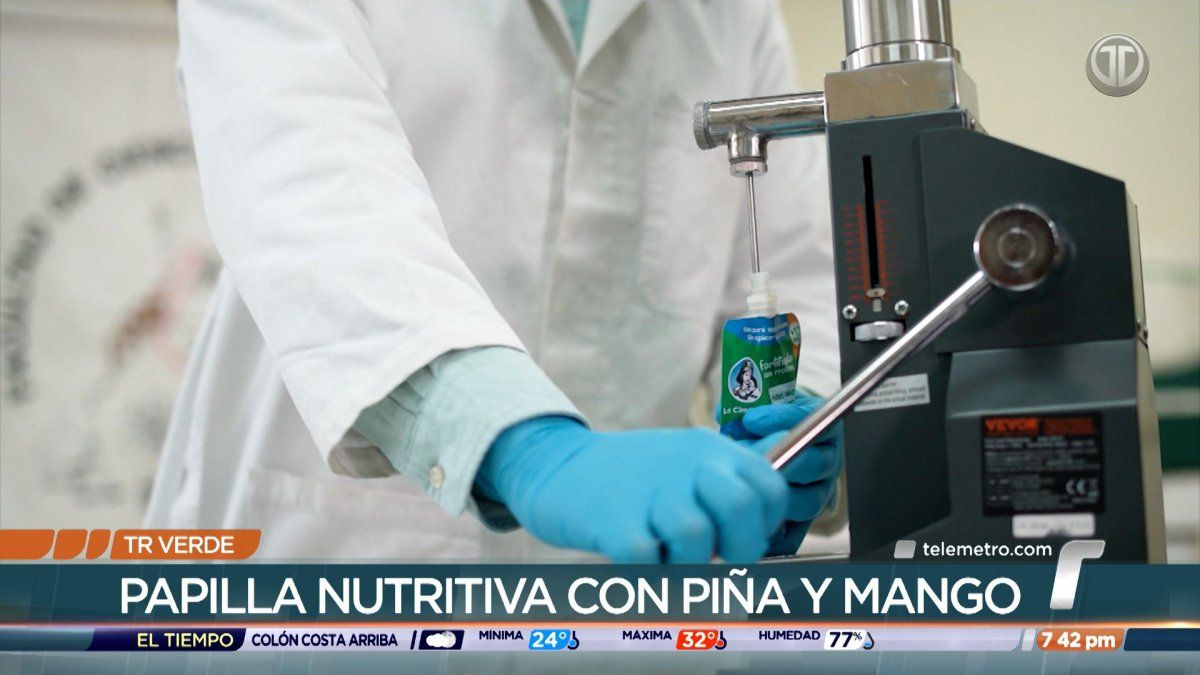
Israel Pacheco, a university student in Panama, has developed a nutritious porridge designed to combine better nutrition with the use of local resources and sustainable development. The project is presented as a practical response to malnutrition through food engineering.
The proposal reflects how food science can be applied to everyday needs, especially when nutritious options are created with ingredients and methods that can be sourced locally.
Why It Matters
Malnutrition remains a serious challenge in many communities, and efforts that connect nutrition with local production can have broader social and economic value. By focusing on resources available in the country, the project points to a model that can support both health and sustainability.
Food engineering has increasingly been used to design products that are not only nutritious, but also accessible and adaptable to local conditions. In Panama, where agriculture and food security are important issues, initiatives like this can contribute to the conversation about how to improve diets in a practical way.
Background
The project was highlighted in the TR Verde segment, which focuses on environmental and sustainability-related initiatives. Pacheco’s work fits within that framework by linking nutrition with responsible use of resources and innovation led by young Panamanians.
University research and student-led projects often play an important role in generating solutions to public health and development problems. This type of initiative also shows how academic training can lead to ideas with direct community impact.
What This Means
A product like this could help raise awareness about the importance of affordable, locally informed nutrition. It also underscores the role of Panama’s universities in fostering innovation that responds to real social needs.
As interest grows in sustainable food systems, projects that address malnutrition while supporting local production may become increasingly relevant in Panama’s broader development agenda.