
What Happened
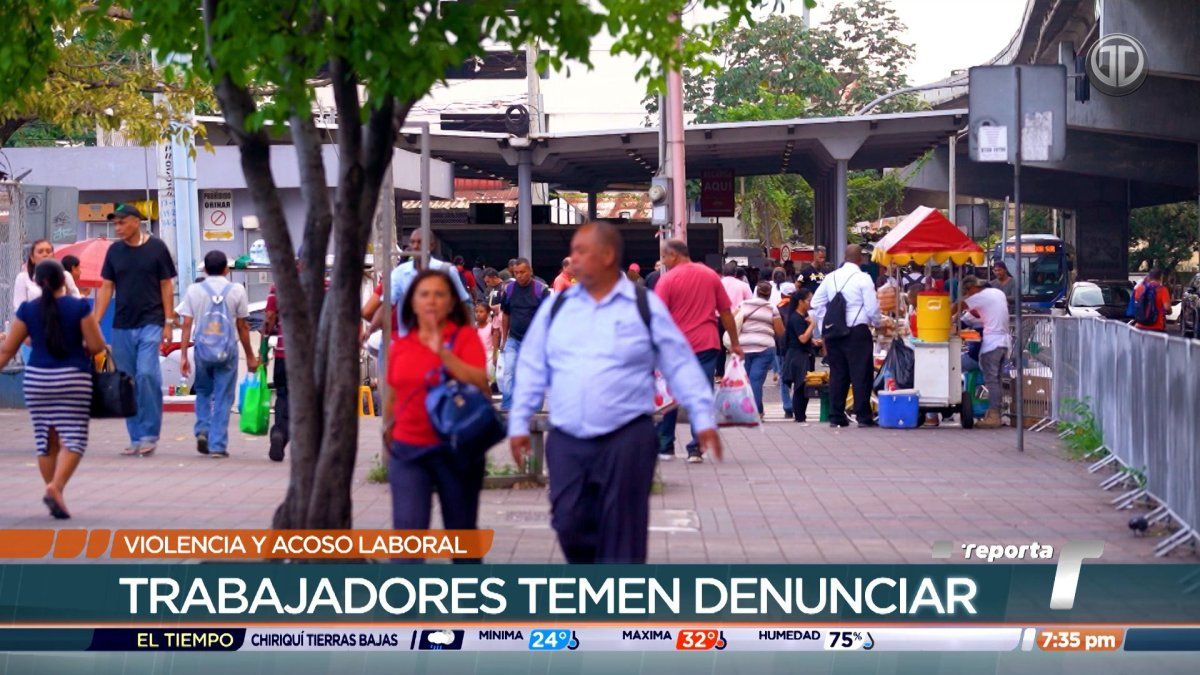
Experts in Panama say workers are facing growing levels of workplace violence, harassment and job-related stress, with women remaining the most vulnerable group. The warning points to a broader labor challenge in the country, where conditions at work can affect both safety and mental well-being.
The concern centers on behavior and pressures that can appear in many workplace settings, from direct abuse to persistent harassment and heavy psychological strain. Together, these factors can undermine productivity, damage morale and create unsafe environments for employees.
Why It Matters
Workplace violence and harassment are not only labor issues but also public health and social issues. Stress at work can affect sleep, concentration and overall health, while harassment and violence can leave lasting emotional and professional consequences. For women, who are often more exposed to unequal treatment and power imbalances, the impact can be even greater.
In Panama, the warning arrives amid wider conversations about labor rights, workplace dignity and the protection of vulnerable employees. Attention to these problems often leads to calls for stronger prevention policies, better reporting mechanisms and workplace training to reduce abuse and intimidation.
Background
Labor advocates and specialists across Latin America have increasingly highlighted the risks of psychosocial hazards at work, including excessive workloads, hostile environments and harassment. These concerns have gained more visibility as employers and institutions face pressure to create safer and more respectful workplaces.
For Panama’s workforce, the issue underscores the importance of enforcing standards that protect employees regardless of sector. Effective responses generally depend on clear workplace rules, accessible complaint channels and a culture that does not normalize abuse or discrimination.
What This Means for Workers
The warning serves as a reminder that labor protections must address more than wages and schedules. A safe job also requires freedom from intimidation, harassment and conditions that create chronic stress. As these concerns continue to draw attention, workers and employers alike may face greater expectations to recognize and confront harmful behavior early.
With women identified as the most vulnerable, efforts to improve workplace safety in Panama will likely need to include a stronger focus on gender-based risks and support systems that help employees report problems without fear of retaliation.