
What Happened
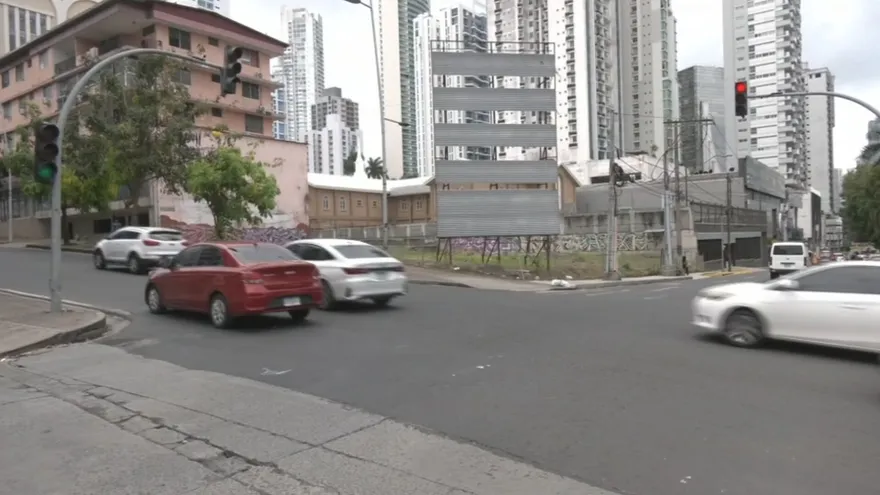
The Panama Traffic and Transportation Authority, known as the ATTT, is reviewing whether to remove or adjust traffic lights at critical points in the city as part of an effort to ease congestion and improve urban mobility.
The agency said the evaluations will continue in different areas of the city, with a focus on identifying measures that can help traffic flow more efficiently in heavy-traffic zones.
Why It Matters
Traffic congestion remains one of the most visible daily challenges in Panama’s capital, especially in busy commercial and residential corridors. Any change to traffic signal patterns can affect commute times, road safety, and the movement of public and private transport.
By studying the most congested intersections, the ATTT is looking for practical adjustments that could improve circulation without requiring major road construction. In dense urban areas, signal timing and intersection design often play a major role in whether traffic moves smoothly or backs up during peak hours.
What the Review Means for Drivers
The review suggests that more traffic management changes could be considered in the city if officials find that certain signals are slowing down vehicle flow rather than helping regulate it. In practice, that could mean changes to timing, coordination between intersections, or in some cases the removal of signals at specific points.
For drivers in Panama City, the process signals a broader effort to tackle congestion through operational changes on existing roads. The outcome of the evaluations will likely shape how traffic is managed in the city’s most problematic areas.
Broader Context
Urban mobility has become an increasingly important issue in Panama as vehicle numbers grow and roads face sustained pressure during peak travel hours. Measures that optimize traffic signals are often among the quickest tools available to transportation authorities seeking to improve circulation.
The ATTT’s ongoing assessments indicate that traffic management will remain a priority as officials search for ways to reduce bottlenecks and make movement through the city more predictable.