
What Happened
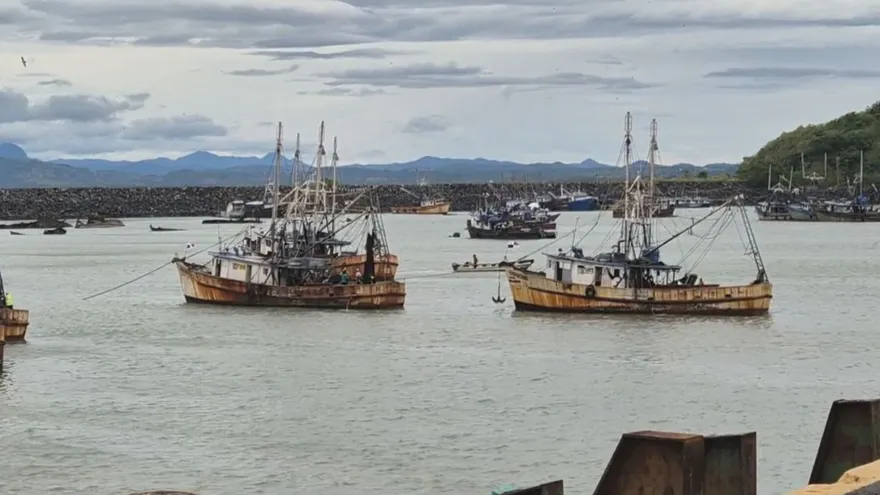
Panama’s shrimp fishing season has reopened after the end of the closed season, known locally as the veda. The Panama Aquatic Resources Authority (ARAP) announced the start of the first fishing season, which will run through August 31.
During the ban period, ARAP carried out control and surveillance actions aimed at protecting shrimp populations and supporting their reproductive cycles. The measure is part of Panama’s seasonal fisheries management system, which uses temporary closures to help sustain marine resources.
Why the Ban Matters
Closed seasons are a standard conservation tool in fisheries management. By temporarily suspending harvesting, authorities give species time to reproduce and recover, helping reduce pressure on stocks and supporting longer-term catches for fishing communities.
For shrimp fisheries in Panama, the reopening marks the return of an important commercial activity after months of restrictions. The season’s duration through the end of August sets a clear window for fishing operations under the current regulatory framework.
ARAP’s Role in Enforcement
ARAP said it maintained monitoring and enforcement during the closed season to strengthen conservation efforts. Those controls are intended to support compliance with fishing regulations and protect species during critical biological periods.
The agency’s approach reflects a broader balance between economic activity and environmental stewardship. In Panama, fisheries policy often has to consider both the livelihoods tied to marine harvests and the need to preserve natural resources for future seasons.
What This Means for Panama
The reopening of shrimp fishing is expected to reactivate part of the country’s seafood supply chain, including harvesting, transport, and commercial distribution. Seasonal openings also carry importance for coastal communities and businesses connected to the fishing sector.
At the same time, the end of the veda underscores the government’s reliance on timed closures to manage marine resources. With the first season now underway until August 31, attention will turn to how effectively the rules are enforced and how the season supports both conservation and production.