
What Happened
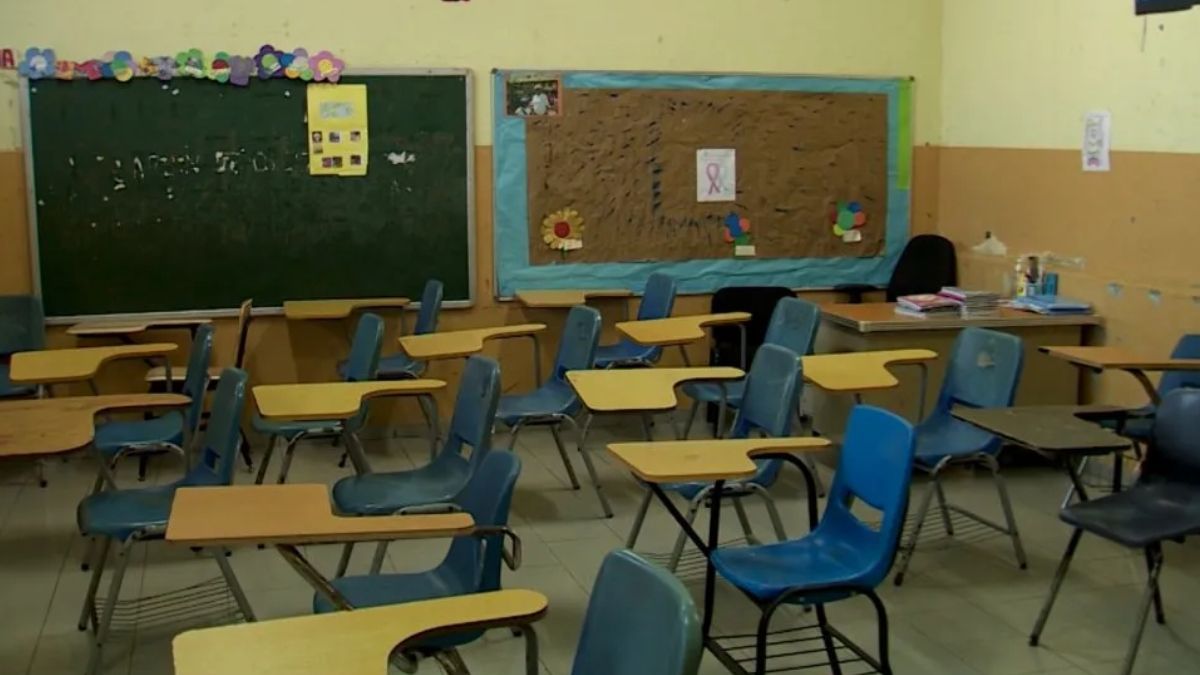
Panama’s Ministry of Education suspended classes on Monday, April 13, in the province of Veraguas and the Ngäbe Buglé Comarca because of heavy rain and thunderstorms.
The measure affects schools in the areas under weather pressure as authorities respond to deteriorating conditions linked to persistent rainfall and storm activity.
Why the Decision Matters
Class suspensions are a precautionary step often used in Panama during severe weather to reduce risks for students, teachers, and school staff. In provinces and indigenous territories where roads can be vulnerable to flooding, landslides, or reduced visibility, interruptions to normal school activity are common when storms intensify.
Veraguas sits in a strategic central position in the country and includes communities that can be affected quickly by strong rains. The Ngäbe Buglé Comarca, meanwhile, covers mountainous and rural areas where transportation can become difficult during adverse weather, making preventive measures especially important.
Local Impact
The suspension means classes will not take place in the affected areas for the day, with families and school communities adjusting plans around the weather risk. In Panama, such decisions are typically part of broader safety responses during rainy-season conditions, especially when storms threaten access routes and daily routines.
The move also highlights how weather events continue to affect education schedules across the country, particularly outside the metropolitan area where infrastructure and geography can complicate mobility during severe rain.
Background
April falls within a period when Panama can experience unstable weather patterns, and heavy showers are often accompanied by thunderstorms. The country’s varied terrain means rain can have different effects from one region to another, with some places facing more immediate disruption than others.
In this case, authorities acted to protect the school population in Veraguas and the Ngäbe Buglé Comarca while storm conditions persisted.