
What Happened
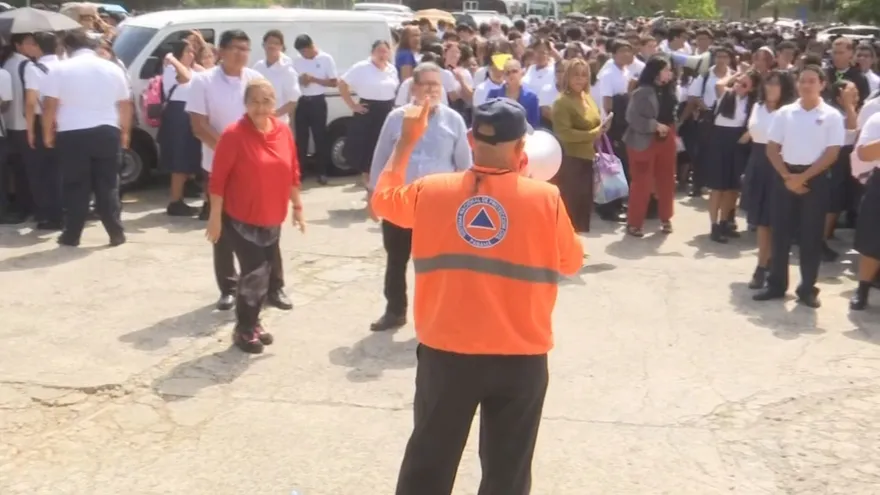
Students across educational centers in Panama took part in a nationwide evacuation drill designed to reinforce emergency response procedures inside classrooms and school buildings. The exercise placed students in a simulated emergency or natural disaster scenario and required them to follow the steps they would use in a real evacuation.
During the drill, participants practiced established safety protocols intended to help protect students, teachers, and staff in the event of an incident that requires a rapid exit from school facilities.
Why the Drill Matters
Evacuation exercises are a key part of disaster preparedness in a country exposed to different emergency risks. In school settings, these drills help build familiarity with evacuation routes, orderly movement, and response timing, all of which can reduce confusion during an actual emergency.
For Panama’s education system, drills like this also serve a broader public safety purpose. They strengthen coordination inside schools and encourage students to respond quickly and calmly when emergencies arise. Repeated practice can improve reaction times and support safer outcomes during natural disasters or other urgent situations.
Preparation Inside the Classroom
The exercise focused on testing how students respond under simulated pressure while following the safety procedures they have been taught. By practicing these steps in a controlled environment, schools can reinforce emergency readiness and ensure that protocols are not only known in theory but also applied in practice.
Activities like this are especially important in school communities, where hundreds or even thousands of people may need to evacuate efficiently. A well-organized drill helps identify strengths in the response process and keeps emergency preparedness present in daily school life.
Broader Context
Nationwide evacuation drills are part of a preventive approach to public safety that emphasizes preparation before a crisis occurs. In schools, these exercises help build a culture of readiness among students and staff, making emergency procedures more familiar and less stressful if they are ever needed in real life.
For families and educators, such drills are a reminder that emergency planning is not limited to government agencies or rescue teams. It begins in places where children spend much of their day, including classrooms, hallways, and schoolyards.