
What Happened
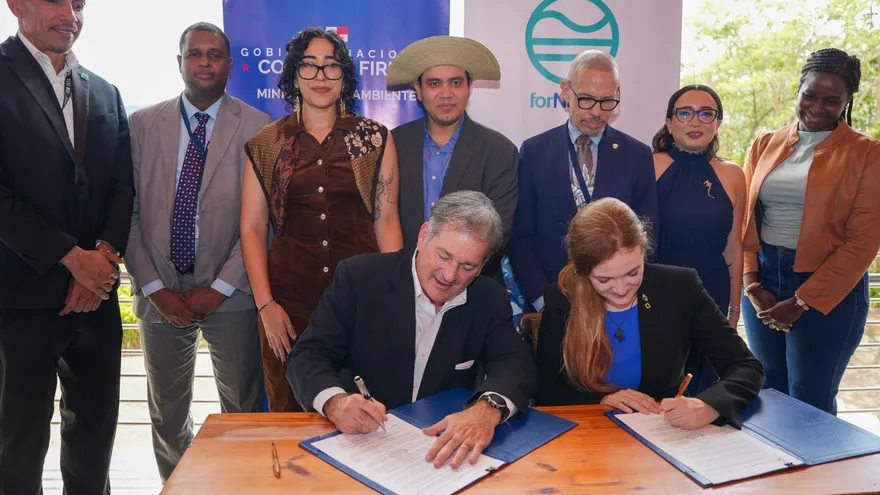
Panama’s Ministry of Foreign Affairs will lead a diplomatic push, together with the country’s permanent mission to the United Nations in New York, to present a Universal Declaration of the Rights of Nature before the UN General Assembly. The initiative places Panama at the center of an emerging international conversation about how governments recognize and protect ecosystems.
The move signals that Panama is using its diplomatic platform to advance environmental principles on the global stage. By taking the proposal to the General Assembly, the country is seeking broad international attention for a framework that would treat nature as having intrinsic rights, not only as a resource to be managed.
Background and Diplomatic Context
Panama has long been linked to environmental and conservation issues because of its strategic geography, biodiversity, and the global importance of the Panama Canal. A proposal of this kind fits within a wider international effort to connect environmental protection with legal and political recognition.
Introducing the declaration through the Foreign Ministry and the permanent mission in New York gives the initiative formal diplomatic weight. It also places Panama among countries that are seeking to shape environmental debate at the multilateral level, where resolutions and declarations can influence future policy discussions even when they are not immediately binding.
Why It Matters
A Universal Declaration of the Rights of Nature would represent a major conceptual shift in environmental governance. Instead of focusing only on human use of land, water, forests, and wildlife, the idea emphasizes the rights of ecosystems themselves. For Panama, backing this type of initiative aligns with the country’s role as a biodiversity-rich nation with strong interests in conservation and sustainable development.
If advanced successfully, the proposal could help elevate Panama’s profile in environmental diplomacy and reinforce its position in international negotiations tied to climate, conservation, and sustainable resource management. It also reflects a growing global trend in which countries and institutions are exploring stronger legal tools to protect nature.
What Comes Next
The next step is to present the initiative before the UN General Assembly, where it can be introduced into a broader diplomatic process. Panama’s efforts will center on building support for the declaration and framing it as part of the international response to environmental degradation and ecological loss.