
What Happened
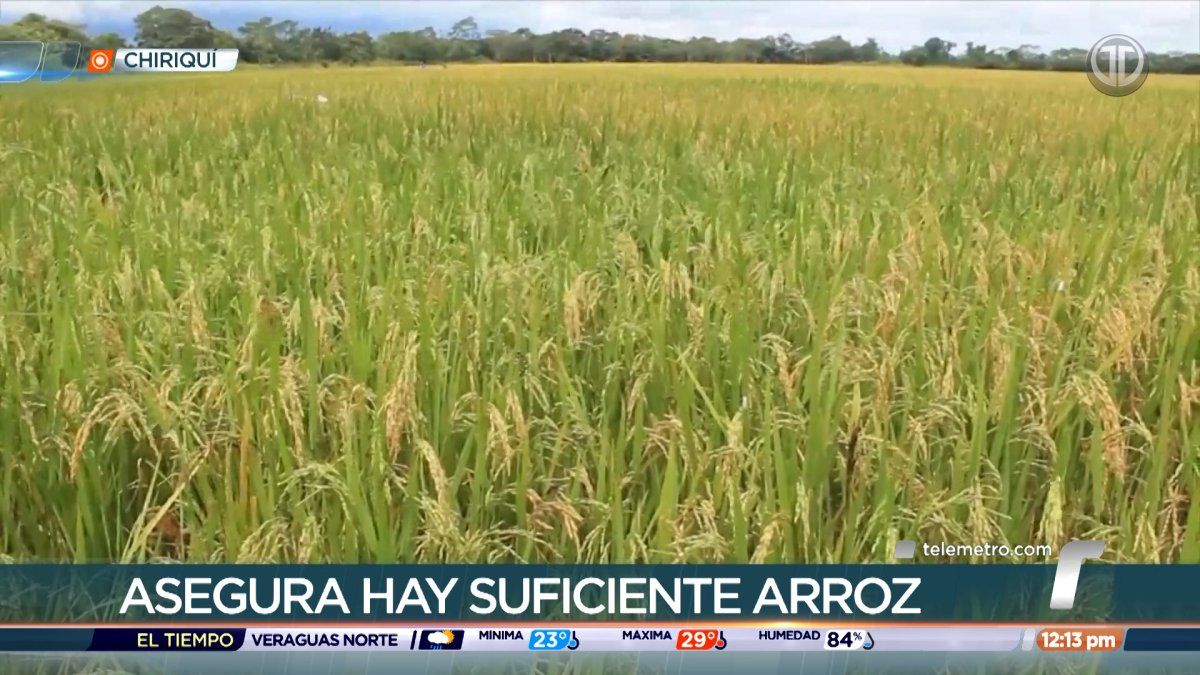
Panama’s Minister of Agricultural Development, Roberto Linares, said the country currently has enough rice in inventory to meet demand until about October. He also reaffirmed that rice imports will not be allowed as long as supplies remain sufficient.
The statement places rice at the center of a key food-supply issue in Panama, where the grain is a staple in household diets and an important part of the agricultural economy. By linking import policy to available inventory, the government is signaling that local supply remains the priority for the coming months.
Why Rice Matters
Rice is one of the most important basic food products in Panama, and its availability is closely watched by consumers, producers, and merchants alike. When inventories are strong, officials typically seek to protect local production by limiting imports. That approach is designed to support farmers and maintain stability in the domestic market.
Linares’ remarks suggest that, for now, the market is considered adequately supplied. The timeline through October indicates that current stocks are expected to cover near-term consumption without the need to open the market to foreign product.
Policy and Market Impact
The decision to hold back imports while inventories remain high can affect several parts of the supply chain. Local growers may benefit from reduced competition, while millers, distributors, and retailers continue working within the domestic supply structure already in place. For consumers, the key issue is whether supply remains stable and prices stay manageable.
Rice policy in Panama often reflects a balance between protecting national production and ensuring enough product reaches shelves. Linares’ comments place that balance firmly on the side of domestic inventory management for the moment.
What to Watch Next
Attention will now turn to how long current stocks hold and whether demand develops as expected over the coming months. If inventory remains strong, import restrictions are likely to continue. If conditions change, the government may have to reassess its position.
For now, the message from the Agriculture Ministry is clear: rice supplies are available, and imports will stay off the table while the country has enough grain in reserve.