
What Happened
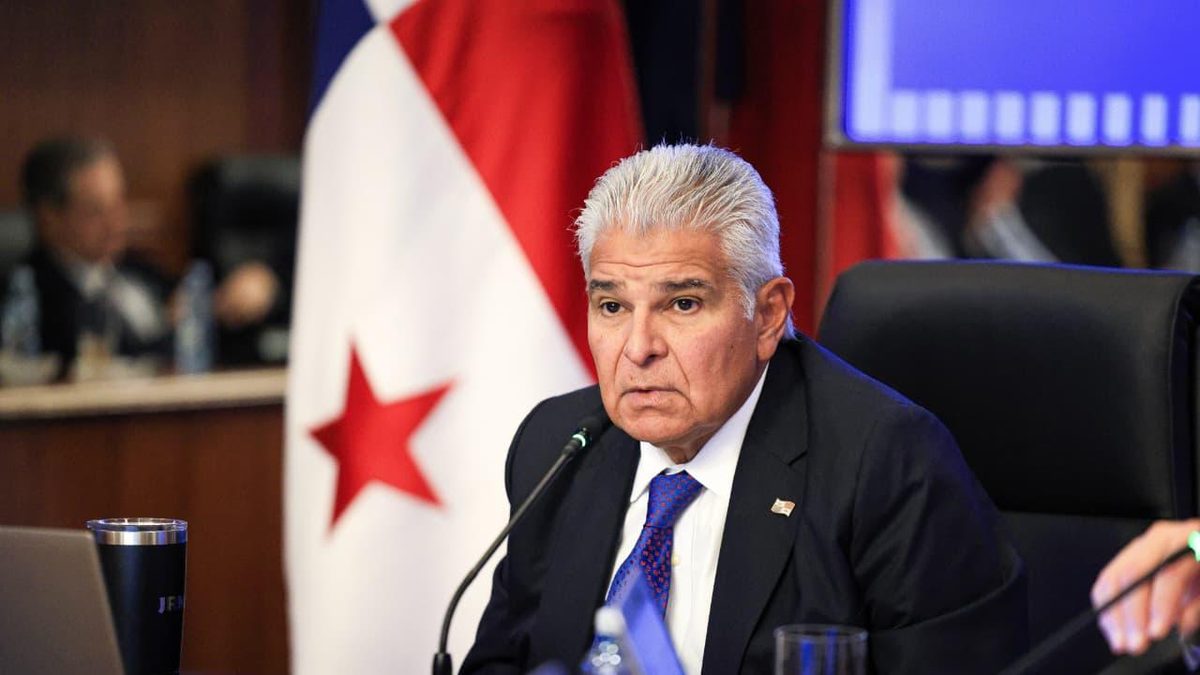
President José Raúl Mulino said Panama will not import rice while there is still inventory available in the country, framing the decision as a measure to protect local producers. The announcement puts rice policy at the center of the government’s effort to balance food supply with support for domestic agriculture.
Why It Matters
Rice is one of the most important staple foods in Panama, and any shift in import policy can affect farmers, millers, distributors, and consumers. By tying imports to existing stock levels, the government is signaling that domestic supply should be prioritized before bringing in foreign rice.
Background
In Panama, rice production has long been a sensitive issue because it involves both food security and the economic stability of rural producers. When inventories are available locally, limiting imports can help prevent oversupply in the market and reduce pressure on national harvests. At the same time, the government must ensure that consumers continue to have stable access to one of the country’s main food staples.
What This Means
Mulino’s position suggests a more protective stance toward the agricultural sector at a time when producers often seek safeguards against competition from imported grain. The decision may also influence future discussions about agricultural policy, pricing, and the timing of imports in relation to domestic harvest cycles.
For Panamanian families, the immediate impact will depend on how much rice remains in storage and how the market responds in the coming weeks. The policy underscores the government’s attempt to manage supply without weakening local production.