
What Happened
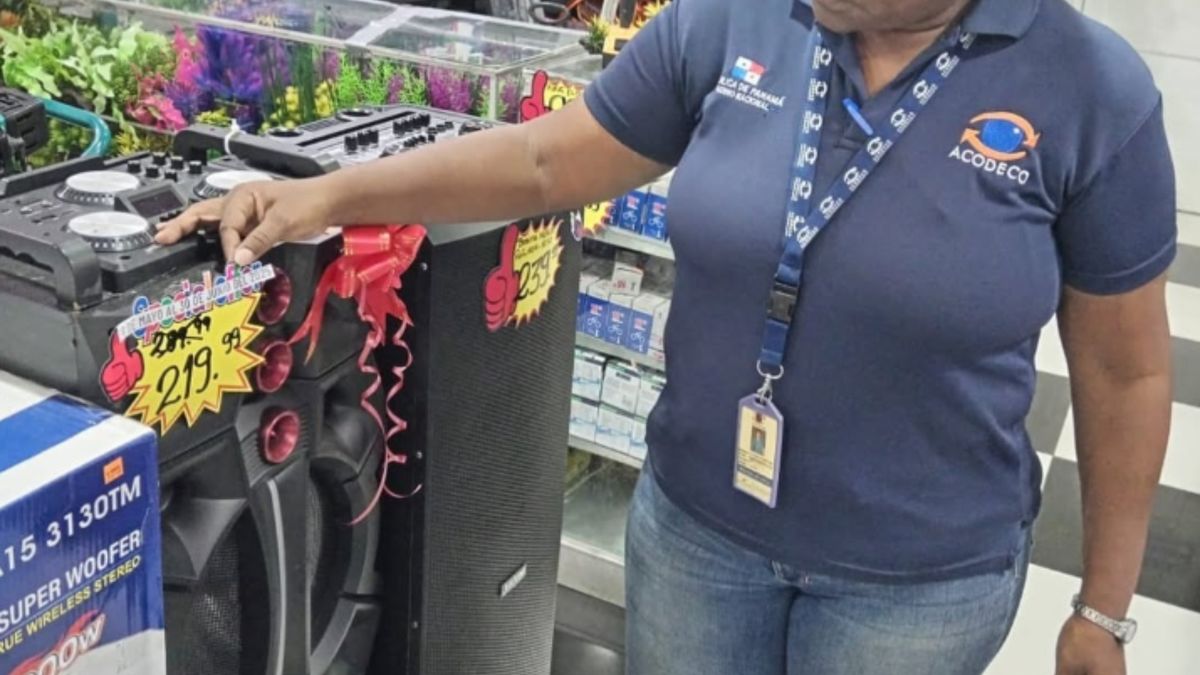
On March 17, 2026, Panamanian media reported that deputy Jairo Salazar presented a bill that would require commercial establishments to replace defective products within five days. Salazar explained that the proposed law establishes merchant responsibility for the repossession and replacement of the defective article.
What the Bill Would Do
According to the report, the core provision of the proposal is a five-day deadline for businesses to provide a replacement for a defective item. The measure places the obligation for replacement directly on retailers, making them responsible for ensuring consumers receive functioning products rather than leaving remediation solely to manufacturers or extended warranty arrangements.
Background
Consumer protection and retail practices have been recurring topics in Panama’s public debate as shoppers seek clearer guarantees and faster remedies when products fail. While the report does not detail penalties, enforcement mechanisms or exclusions, the bill is presented as an effort to strengthen consumer rights by imposing a specific timeframe for corrective action.
What This Means
If advanced through the legislative process, the proposal could offer quicker resolutions for consumers who receive defective goods, reducing the time households spend without functioning products. For retailers, the change could require adjustments to after-sales processes, stock management and return logistics to meet a fixed five-day replacement window.
Key questions remain open from the initial report: how the law would handle items that require diagnosis, whether replacements must be identical, and how compliance will be monitored. Those details typically emerge as a bill moves through committees and debate in the National Assembly.
Next Steps
The report indicates the existence of the proposal and Salazar’s explanation of its main requirement. The bill will need to follow Panama’s legislative process—discussion, possible amendment and approval by lawmakers—before becoming law. Stakeholders including consumer groups, retailers and legal experts are likely to weigh in as the text is reviewed.