
What Happened
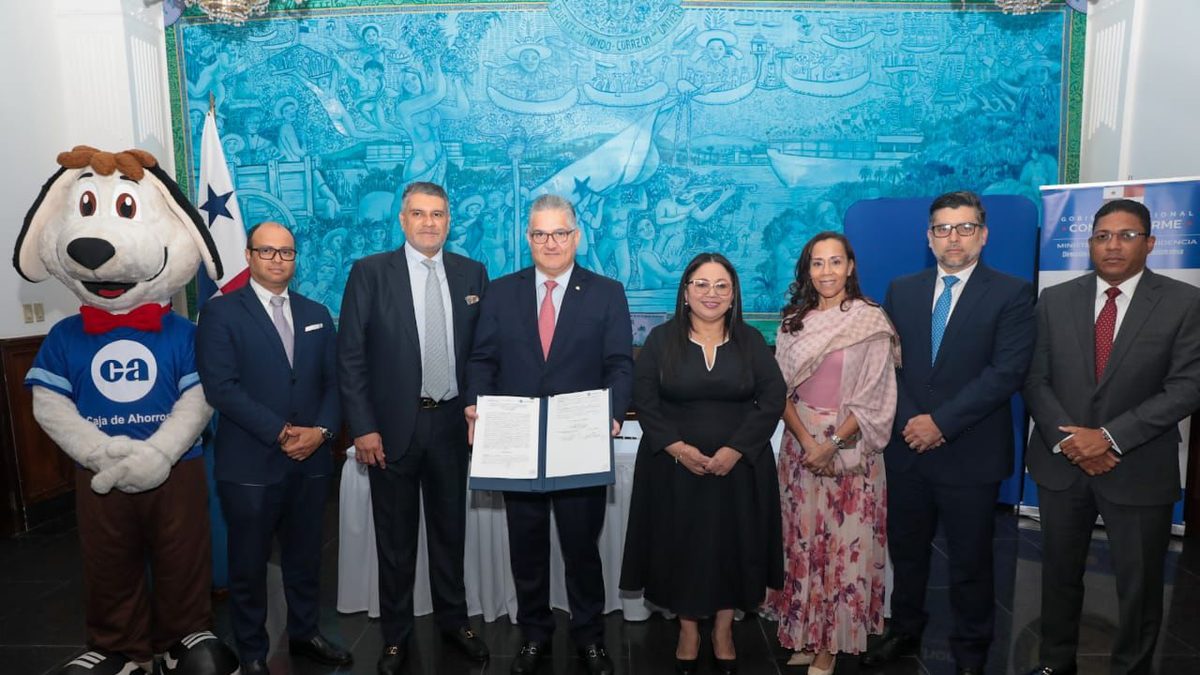
The Panamanian government signed an agreement with the General Directorate of Government Careers, known as DIGECA, and Caja de Ahorros to expand access to loans and banking products for public servants.
The initiative is designed to reach more than 240,000 government employees, giving them easier access to credit options and financial education through the state-owned bank.
Why It Matters
Public workers represent one of the largest formal employment groups in the country, and a program focused on their financial access can have a broad impact on household budgets, savings habits, and borrowing conditions.
By linking financial education with lending access, the agreement aims to strengthen money management among employees who rely on government payrolls and often seek stable, predictable banking services.
Background
Caja de Ahorros is one of Panama’s main state-owned financial institutions and has long played a role in serving workers, families, and public-sector clients. Partnerships with government offices can make banking products more accessible by streamlining enrollment and extending outreach to large employee groups.
The involvement of DIGECA also reflects the government’s interest in organizing personnel programs through official channels, especially when benefits are tied to payroll, employment records, and professional development.
What This Could Mean for Workers
For many public servants, access to formal credit can help with personal expenses, home improvements, education, or emergency needs. Financial education programs can also support better planning around debt, savings, and the use of banking tools.
The agreement may help broaden participation in the formal financial system while reinforcing the role of public institutions in supporting workers beyond wages alone.